Though Tokyo has no shortage of luxury hotels, Janu Tokyo manages to stand out. Just under two years old, it’s the inaugural location of the Aman Group’s newest brand, Janu — a younger, city-loving little sibling to the renowned luxury hospitality group, which is known for ultra-premium service and blissfully serene stays.
Conveniently located in Azabudai Hills, an impressive multicomplex facility that blends greenery and design with the aim of being a “modern urban village,” Janu is designed with connection in mind, with ample space for both wellness and socializing. If Aman Tokyo is a tranquil, private sanctuary, Janu Tokyo feels a bit more lively — an urban escape that draws energy from the city around it, with plenty of places to mingle.
Living Large
Stepping foot into Janu’s soaring gallery entrance, guests are immediately immersed in the hotel’s unique worldview. One of the most striking things about Janu Tokyo is its scale; designed by Jean-Michel Gathy of Denniston Architects, it feels impressively expansive in a city where space is the ultimate luxury.
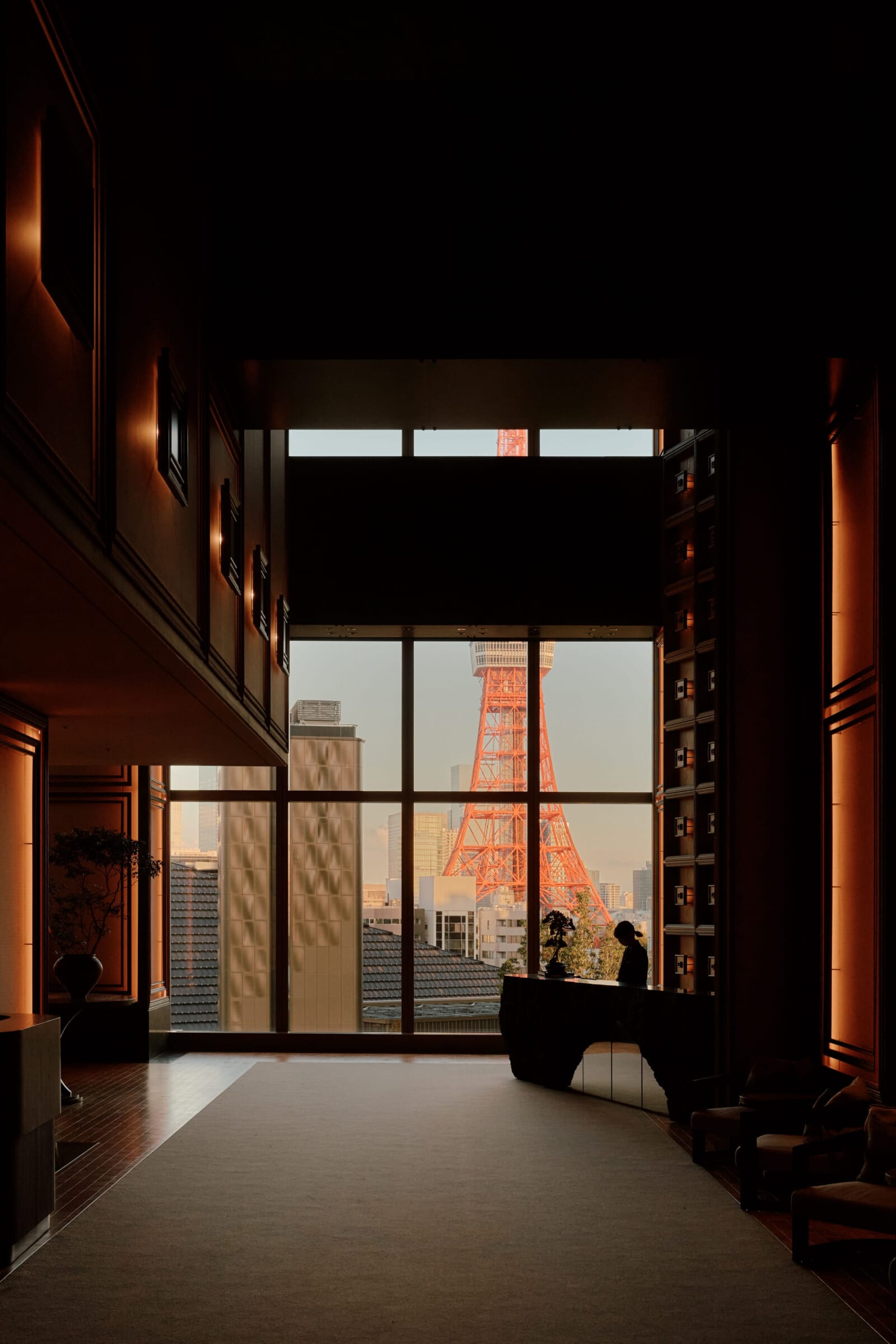
A granite welcome counter anchors the arrival area, with a stunning view of Tokyo Tower from the floor-to-ceiling windows just beyond it. Thoughtful design details throughout the space blend European and Japanese influences. At the entrance, wainscot-like wall paneling sits alongside intricate lattice woodwork and woven rope detailing inspired by shimenawa, sacred ropes in Japanese culture. The rooms and public spaces are elegant and sleek, decorated in understated hues to encourage a sense of warmth and relaxation.
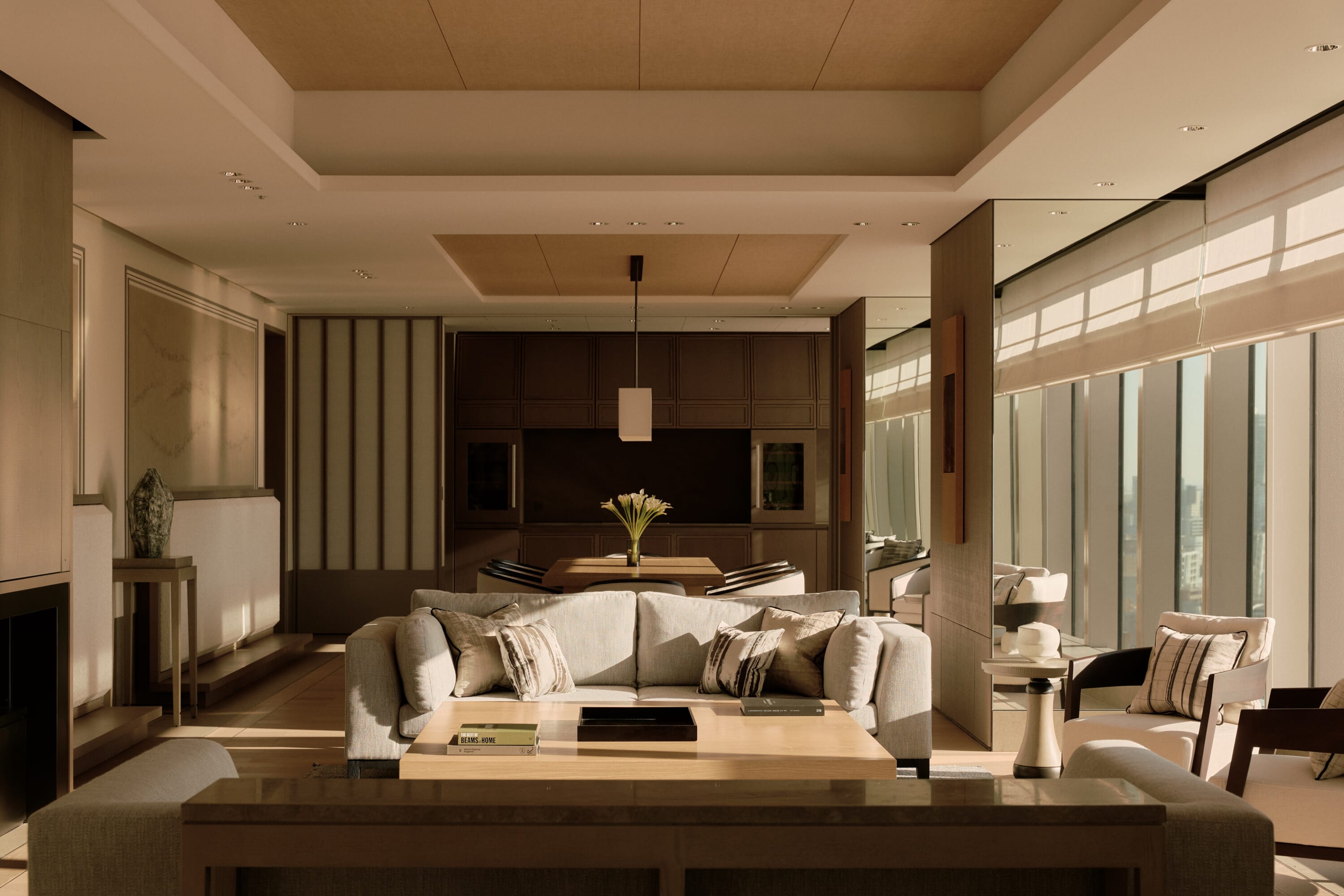
With 122 rooms and suites — starting at a generous 55 square meters — Janu offers room to breathe. Balconies face the terraced greenery and the sculptural landscape of Azabudai Hills, and many rooms have a view of Tokyo Tower rising beyond the cityscape. The neighborhood itself, shaped by Pelli Clarke & Partners and Thomas Heatherwick, amplifies the hotel’s sense of being a refined urban retreat: It’s a district of courtyards, boutiques and winding paths that feels like an urban hillside enclave.
A Monumental Approach to Wellness
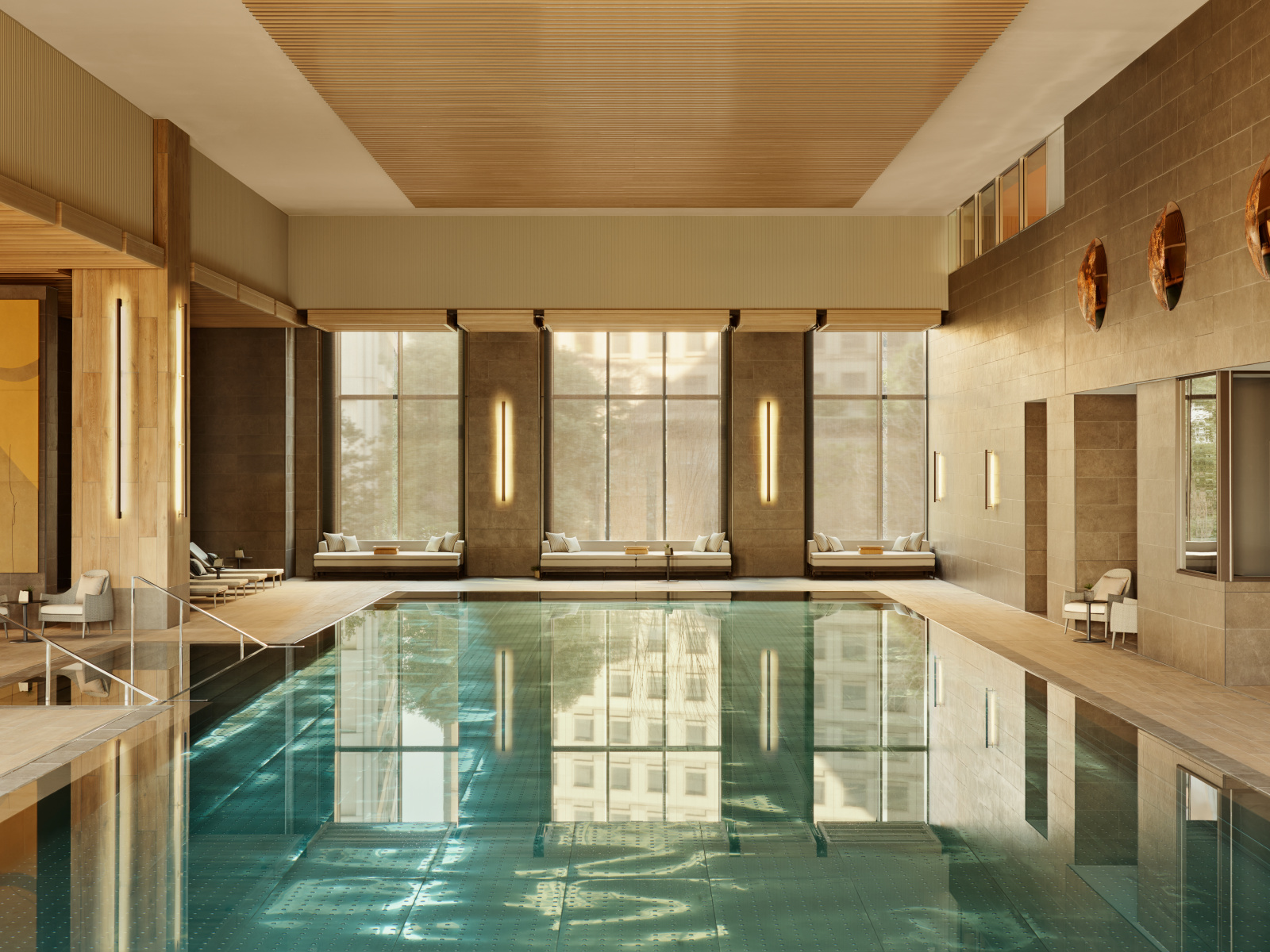
Of everything Janu offers, its sprawling wellness center may be one of the strongest draws. At 4,000 square meters, it is one of the largest facilities of its kind in the city, divided into two clear zones: one focused on fitness and performance, the other built for rest and recovery.
The active zone is enough to make any fitness-lover rejoice. The 340-square-meter gym houses state-of-the-art equipment alongside five movement studios, including a spin studio, an entire boxing ring, a golf simulator and a spacious yoga and Pilates studio.
Just beyond the fitness zone, the hydrotherapy and thermal area has a more serene feel. A 25-meter lap pool anchors the room, accompanied by a jacuzzi set beside a fireplace and rows of loungers meant for quiet conversation. In the changing areas, guests can unwind in Japanese-style public baths, cold plunges and saunas. Or you can book one of the two private Spa Houses. Each Spa House includes a treatment room, a living space with a daybed, an outdoor terrace, hot and cold baths and either a hammam (Turkish-style hot steam bath) or banya (traditional Russian steam bath), with a sauna specialist guiding the session.
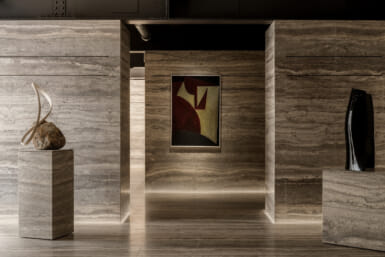
Art, too, threads through the space as subtle commentary. Vibrant Irena Orlov canvases bring energy to the fitness areas, while wave-inspired works by Haruko Tsuji and sculptural pieces by Naoto Kashiwagi echo the movement of water around the pools.
Dining Connection
Food is where Janu leans fully into its social DNA. With seven restaurants and a bar, the hotel functions almost as its own culinary neighbourhood. In contrast to the tranquil oasis of the wellness center, these spaces exhibit a vibrant atmosphere, creating an environment perfect for reveling in the pleasure of gathering.
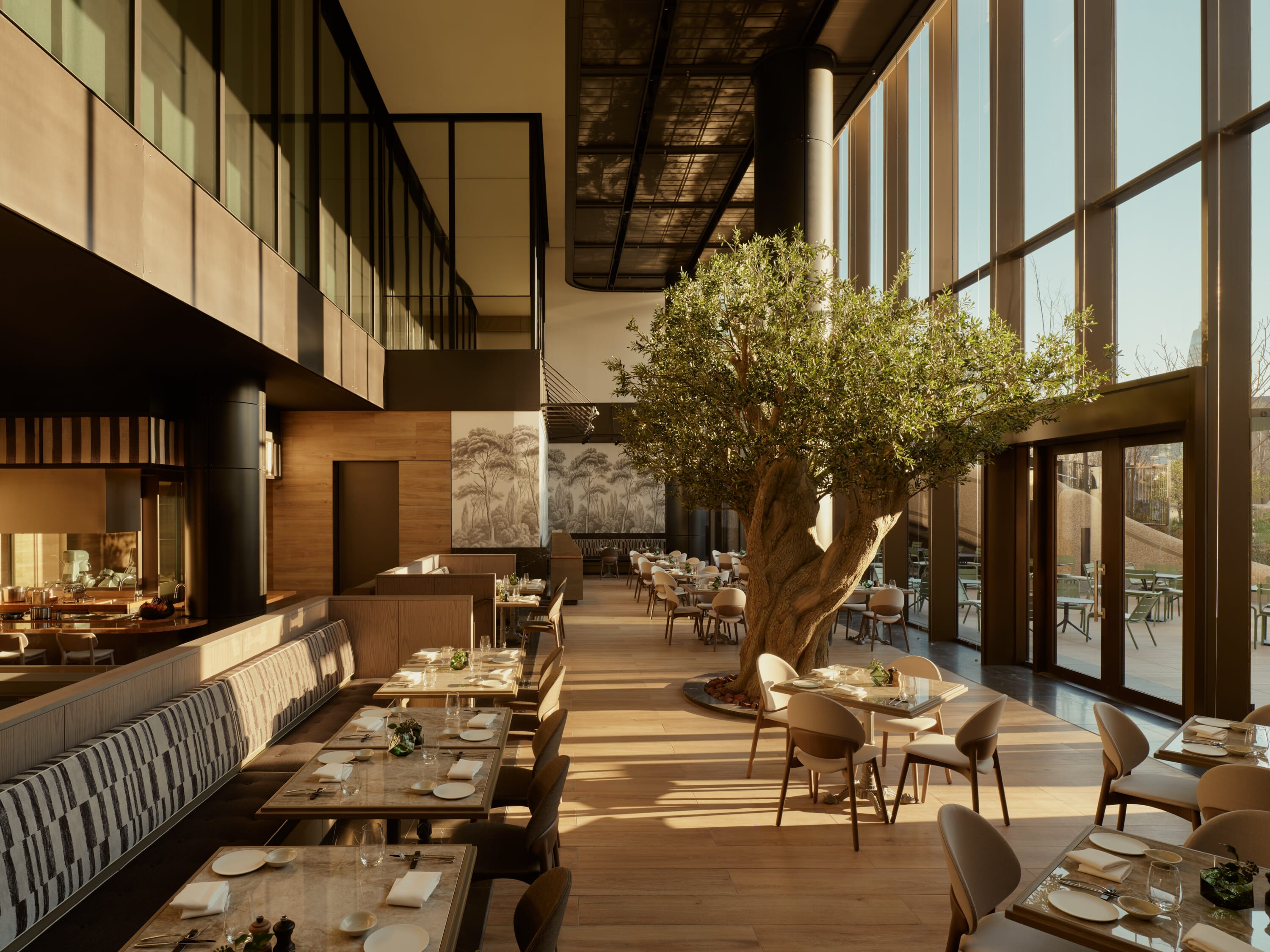
At the center of this scene is Janu Mercato, a sunlit, all-day dining emporium inspired by Italian market halls. Floor-to-ceiling windows flood the marble counters in natural light, while a towering olive tree artwork perches stately in the dining room. The restaurant’s three open kitchens add a sense of theater: Expect fresh pasta rolled and cut before your eyes, gleaming displays of seafood prepared to order and charcuterie and cheeses carved to your liking. The energy is warm and convivial, suited for animated lunches and early-evening spritzes on the pet-friendly terrace overlooking the garden.
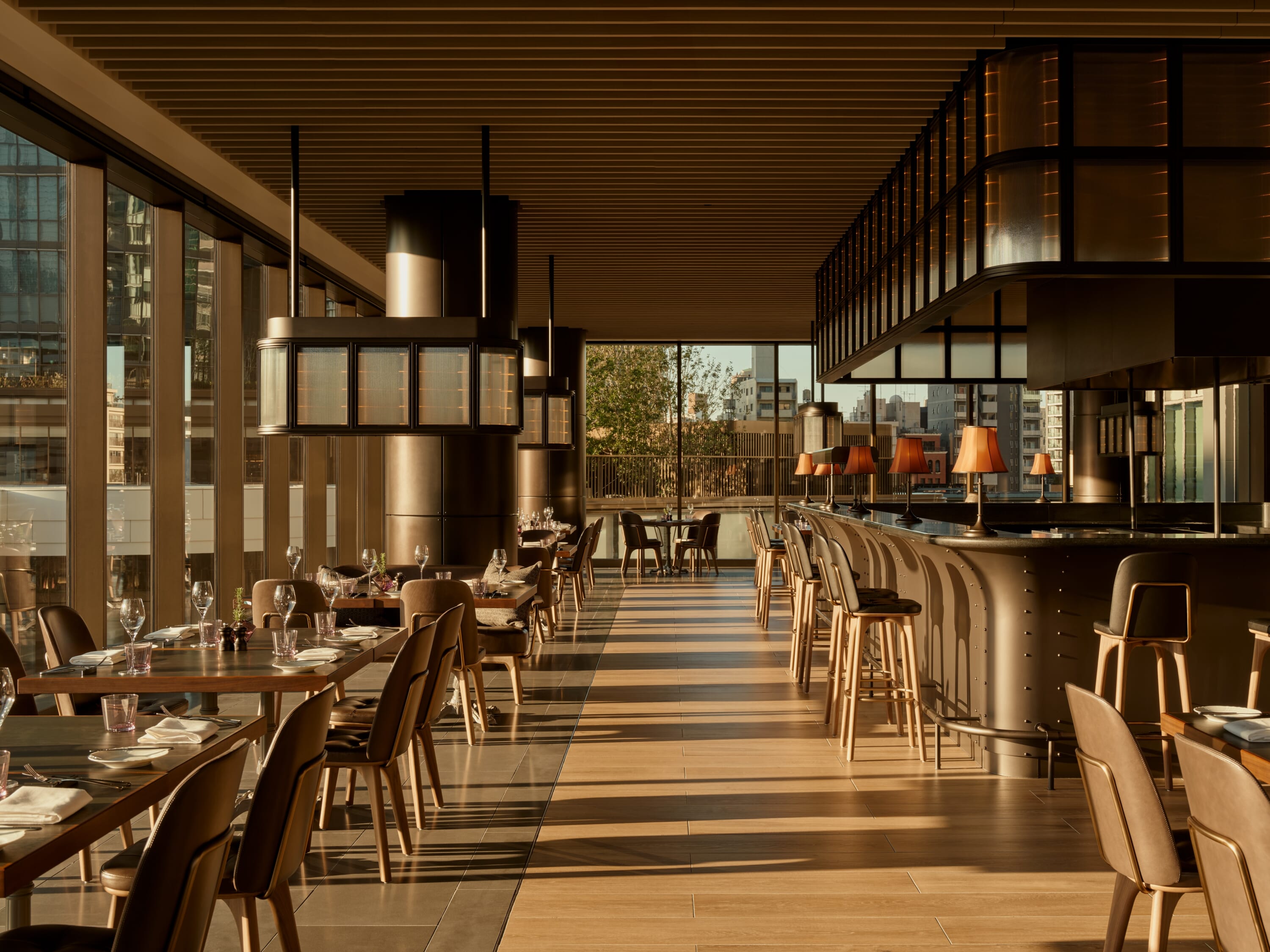
Beyond Mercato, the hotel’s dining spaces take on distinct identities: an omakase counter enveloped in timber and kumiko screens at Iigura; Hu Jing, a colorful, lacquered space for contemporary Chinese fine dining; Janu Grill, a grill with a distinctly Western feel; and a sumibiyaki (charcoal grilling) annex with a riveted copper counter at Sumi. The hotel’s in-house patisserie, Janu Patisserie, is perfect for indulging your sweet tooth at any time of day, while the bar, Janu Bar, is one of the hotel’s many crown jewels. Set in the fifth-floor entrance lounge, it provides an unforgettable backdrop for enjoying specialty cocktails with one of the best Tokyo Tower views in the city.
Lifestyle in Accommodation
Ultimately, Janu is designed as a place to expand — your routine, your social world, your sense of well-being. It balances Tokyo’s charged energy with a sense of true calm, leaning into how many travelers — and increasingly, locals — want to navigate a dense megacity: prioritizing wellness and carving out a space for inspiration.
The result is a property that functions as both a hotel and lifestyle framework. Janu’s vision extends beyond its rooms and facilities, shaping how guests move through their stay and, ultimately, how they think about daily routines when they return home.
More Info
To book a stay at Janu Tokyo, click here.