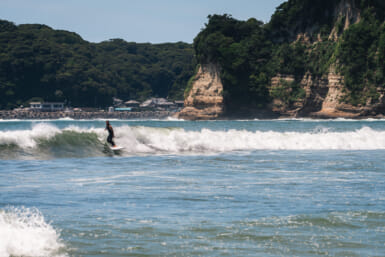

The Shinkansen curves along the Pacific coast, and suddenly the scenery opens: forested mountains to the right, the glint of Suruga Bay to the left. On clear days, you can see Mount Fuji floating above the horizon. This is Shizuoka city — a place rich in history and natural beauty, both of which are pristinely preserved.
Because the Nozomi Shinkansen passes through Shizuoka city without stopping, it’s a destination travelers tend to overlook, rushing onward to heavily touristed spots like Kyoto and Osaka instead. Thanks to this fact, the city has remained a hidden gem despite being just over an hour from Tokyo. It’s a place of elegance and calm, where lush tea fields spill down hillsides toward the sea, local seafood arrives fresh from Shimizu Port and the legacy of craftsmanship that once defined the Tokugawa court continues uninterrupted.

Shizuoka City’s Unique Culture of Craftsmanship
Long before it became a stop on the Tokaido Road, Shizuoka was the chosen home of Tokugawa Ieyasu, who brought master artisans with him when he retired to Sumpu Castle. To this day, the city remains full of workshops, historic inns and even its own vibrant craft village. For visitors, it offers myriad chances for unique hands-on experiences and stays.
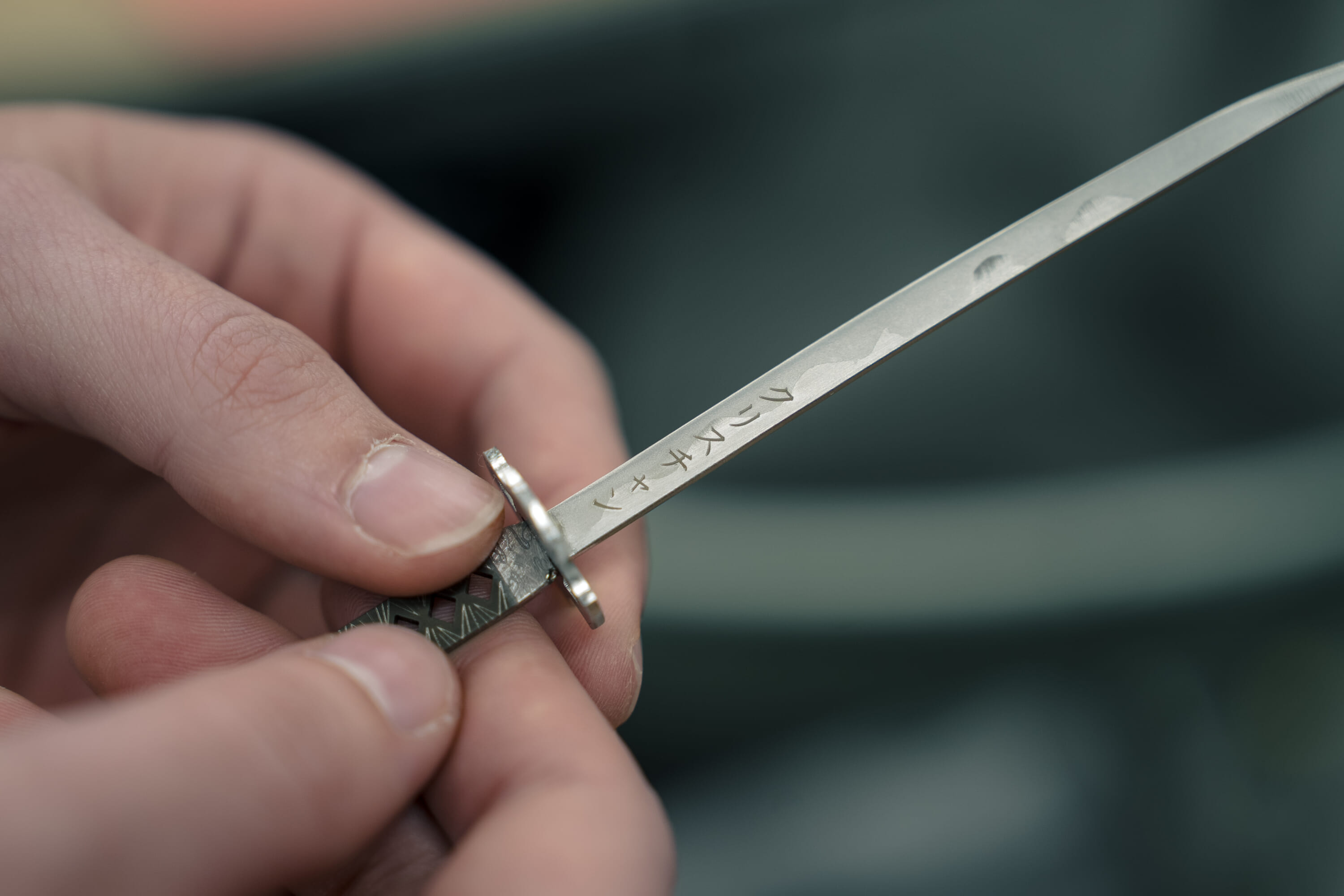
Connect to the region’s shogunate history at Yamazaki Metal Factory, a local metal workshop located in the city’s eastern Shimizu ward. The CEO comes from a long line of metalworkers; her ancestors specialized in creating tsuba, or the hilt section of samurai swords. Visitors can partake in this tradition by making their very own “samurai pick,” a miniature samurai sword — polishing the steel, honing the blade and engraving a personal design on the handle.
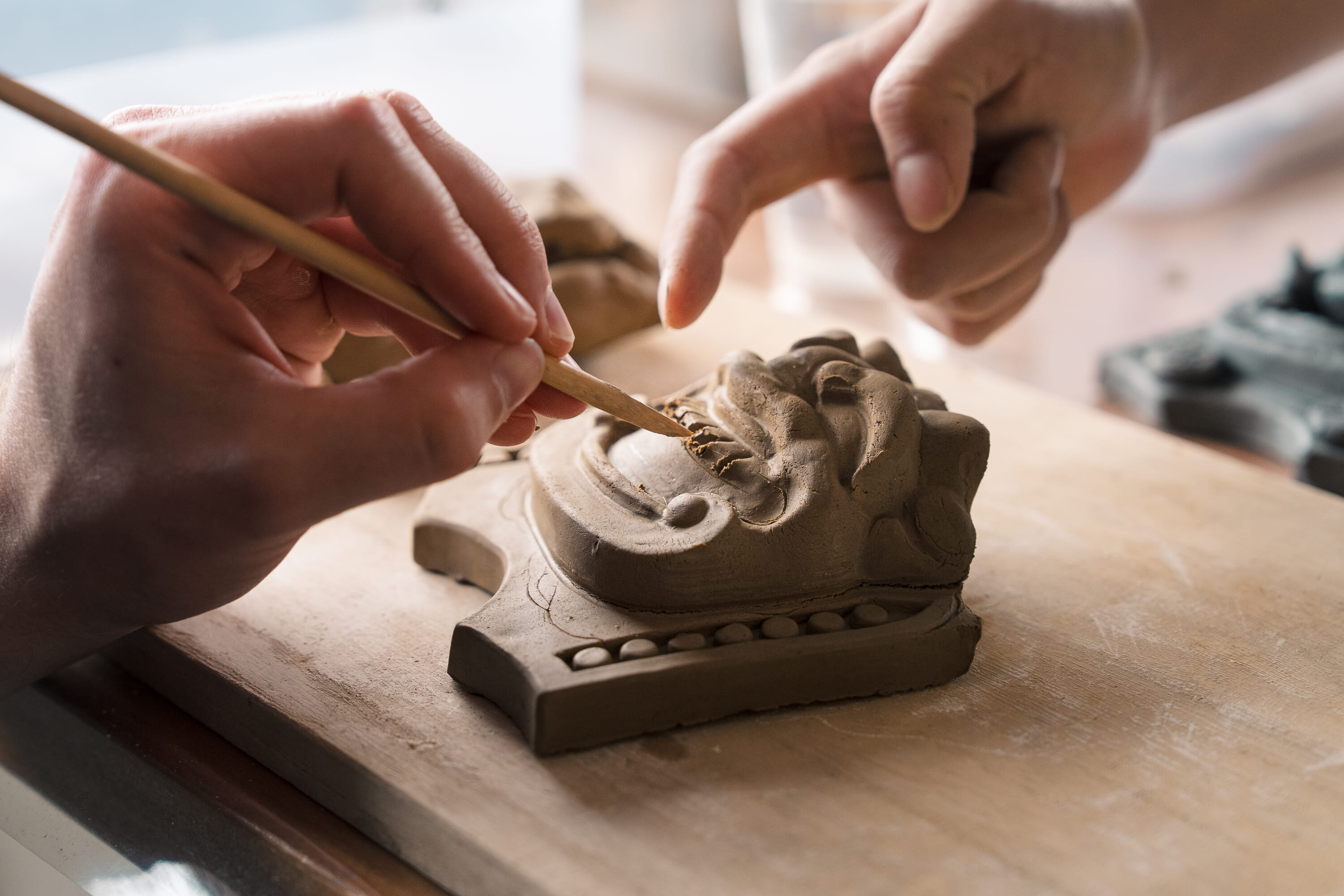
About a 10-minute drive away, Nagasawa Kawara Shoten has revived the once-lost art of Shimizu roof tiles. Here, you can create your own original onigawara — a demon-faced tile thought to ward off evil — under the guidance of Shizuoka Prefecture’s only female onishi (master demon tile craftsman). Choose between a laughing or angry demon, then add detail to its face. By carving its fangs, eyes and horns, you can make your creation as terrifying or as charming as you want.
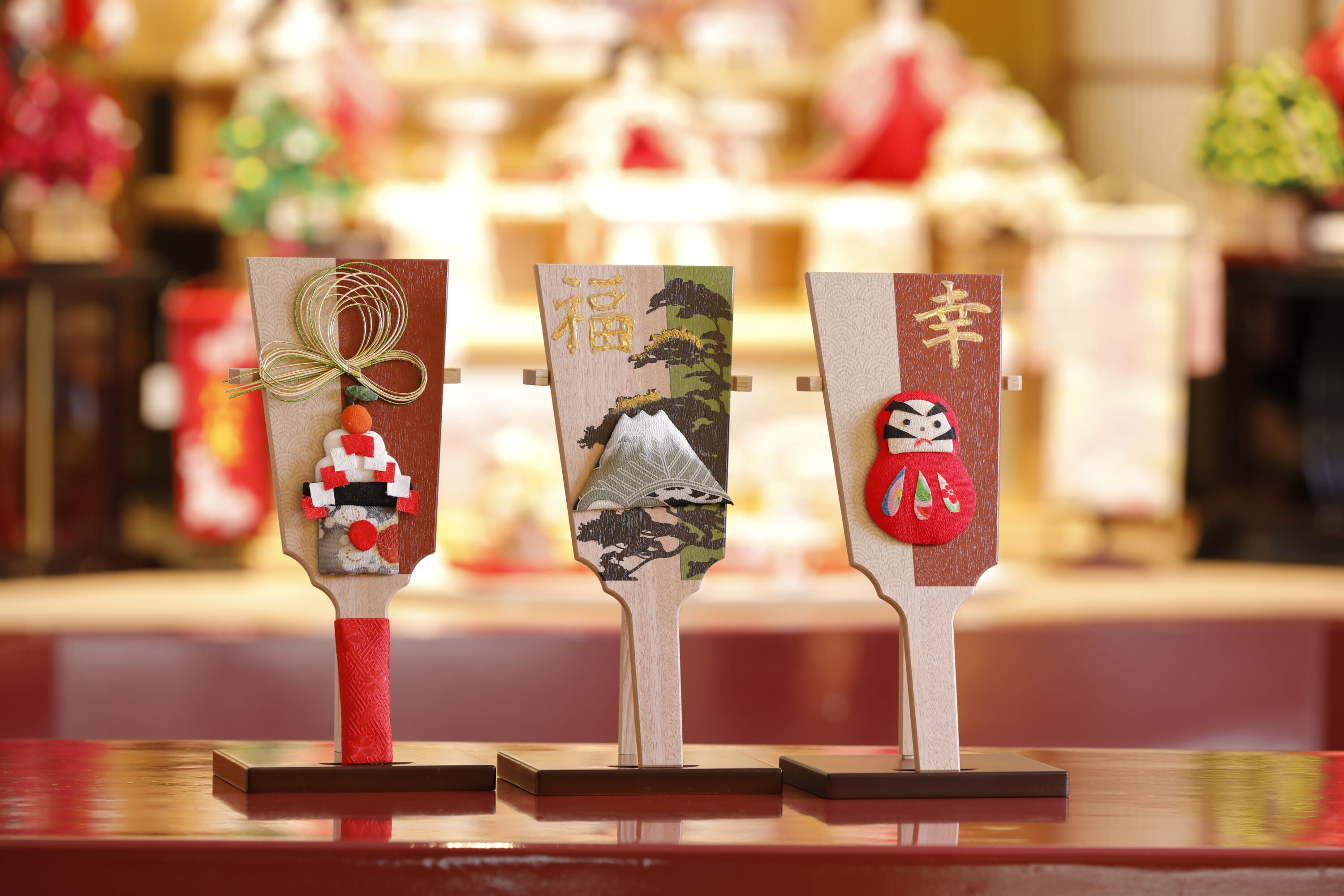
For another traditional protection charm, stop by Miyahide, a long established doll shop in the central Aoi ward that offers a special hagoita paddle-making workshop. Originally used in a badminton-like game called hanetsuki, hagoita paddles evolved into intricate folk art, typically decorated with layered fabric designs and lacquered details. At Miyahide, you can personalize your creation with a kanji character of your choosing, turning it into a unique good-luck charm to display at home.
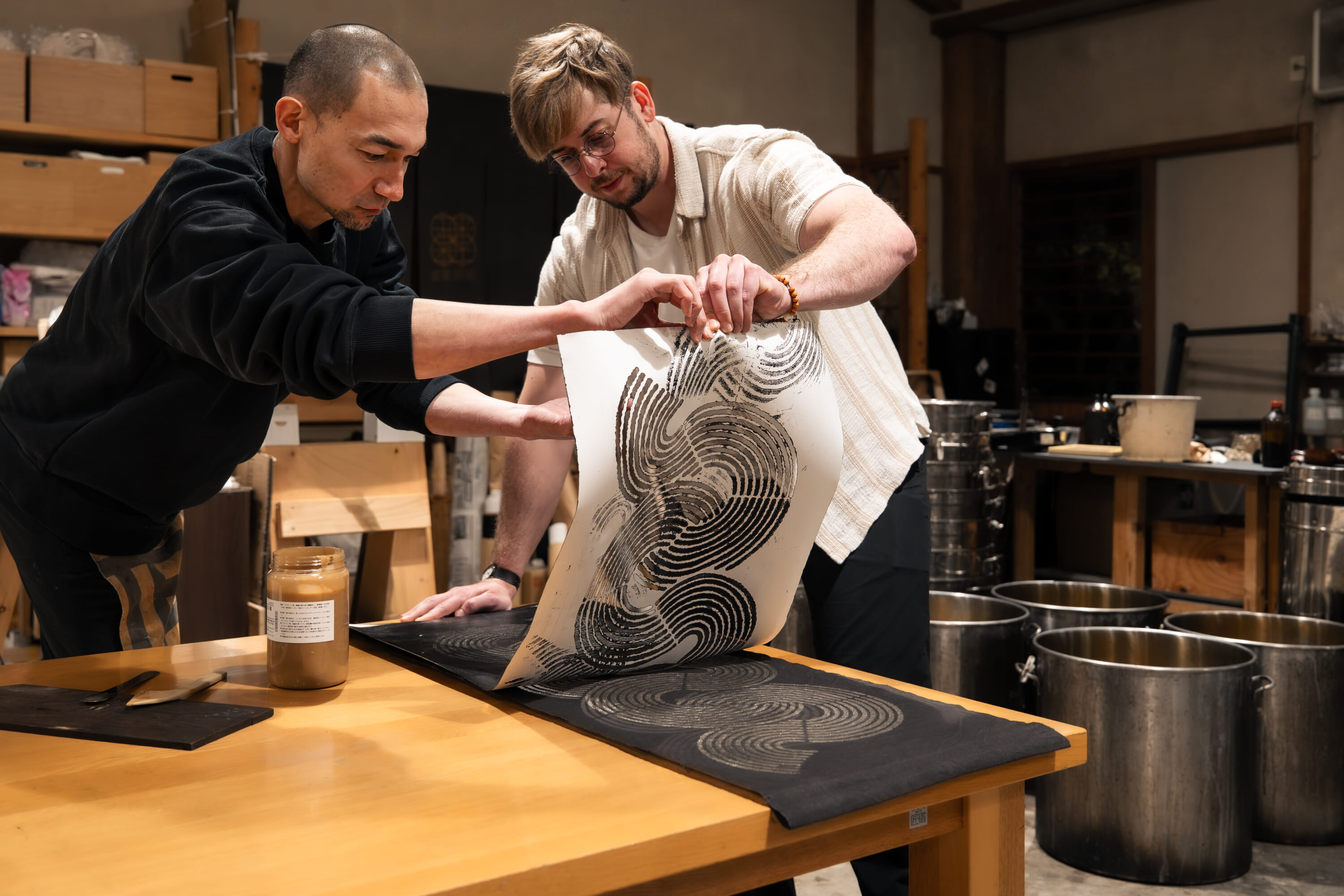
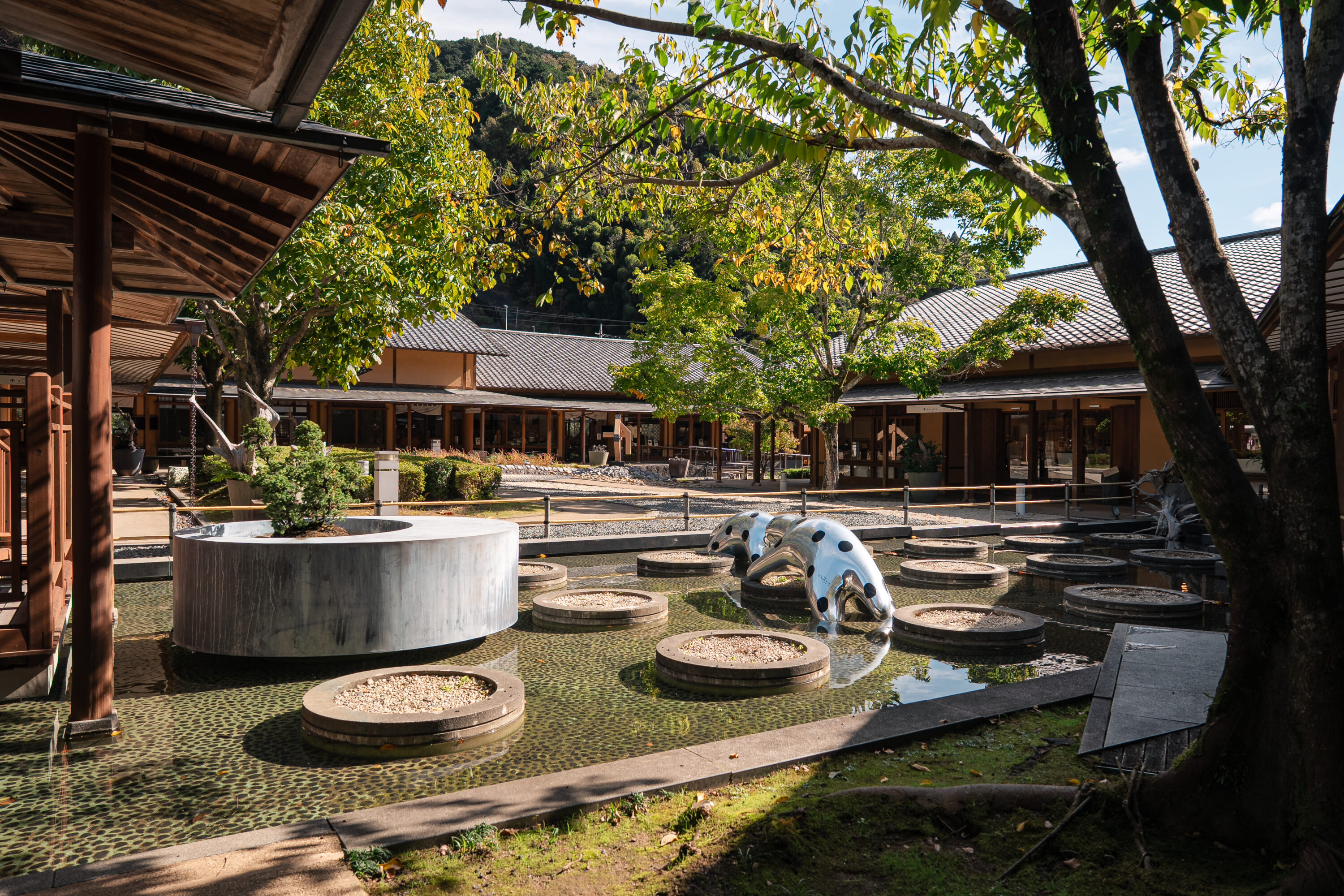
Finally, Takumishuku Craft Valley is a haven for all things craft. Nestled in the mountains, it feels like a small village, with cozy lodgings, cafes, shops, museums, a large public bath and, of course, workshops where artisans work on their crafts and offer hands-on experiences. Try your hand at green tea dyeing, a Shizuoka Prefecture specialty in which cloth is dyed using leftovers from tea production. The finished product is vibrant and striking, and often utilizes patterns designed to resemble tea fields from above.
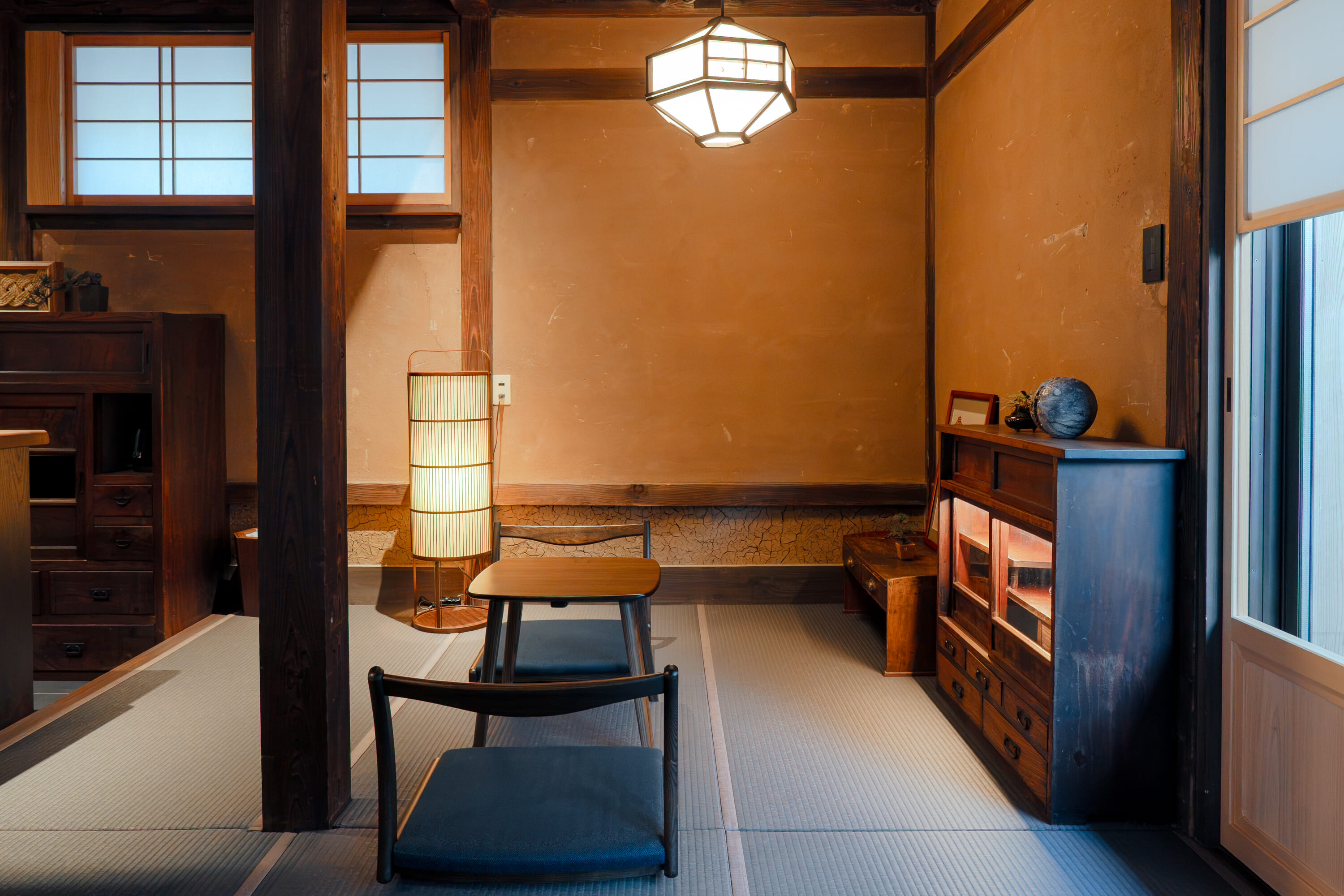
Set at the valley’s entrance, you’ll find Craft Inn Waraku, which offers five private villas and three luxurious rooms. The villas each come with a private sauna and cypress wood bath, and the rooms are adjacent to Ocha Spa, where you can indulge in relaxing treatments that incorporate Shizuoka’s finest green tea.
Culinary Journeys: Where To Eat in Shizuoka City
Shizuoka isn’t just defined by its connection to craft and culture — its cuisine, too, is a reflection of centuries of tradition. The prefecture is perhaps most famous as one of Japan’s premier tea-growing regions. And given its proximity to the mountains and the sea, it also offers an abundance of fresh, seasonal ingredients, from tender wagyu beef to rich seafood like tuna, bonito and whitebait.
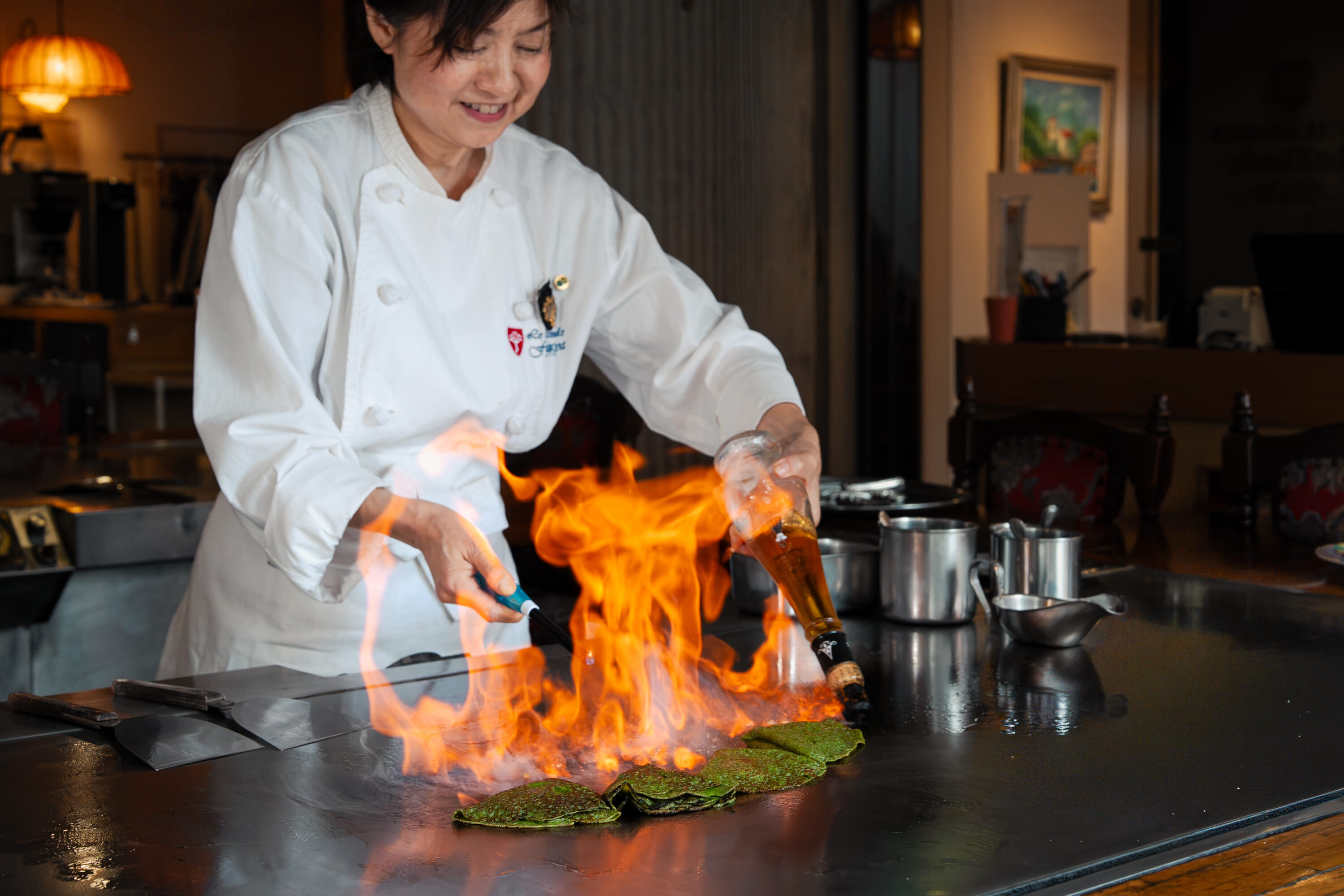
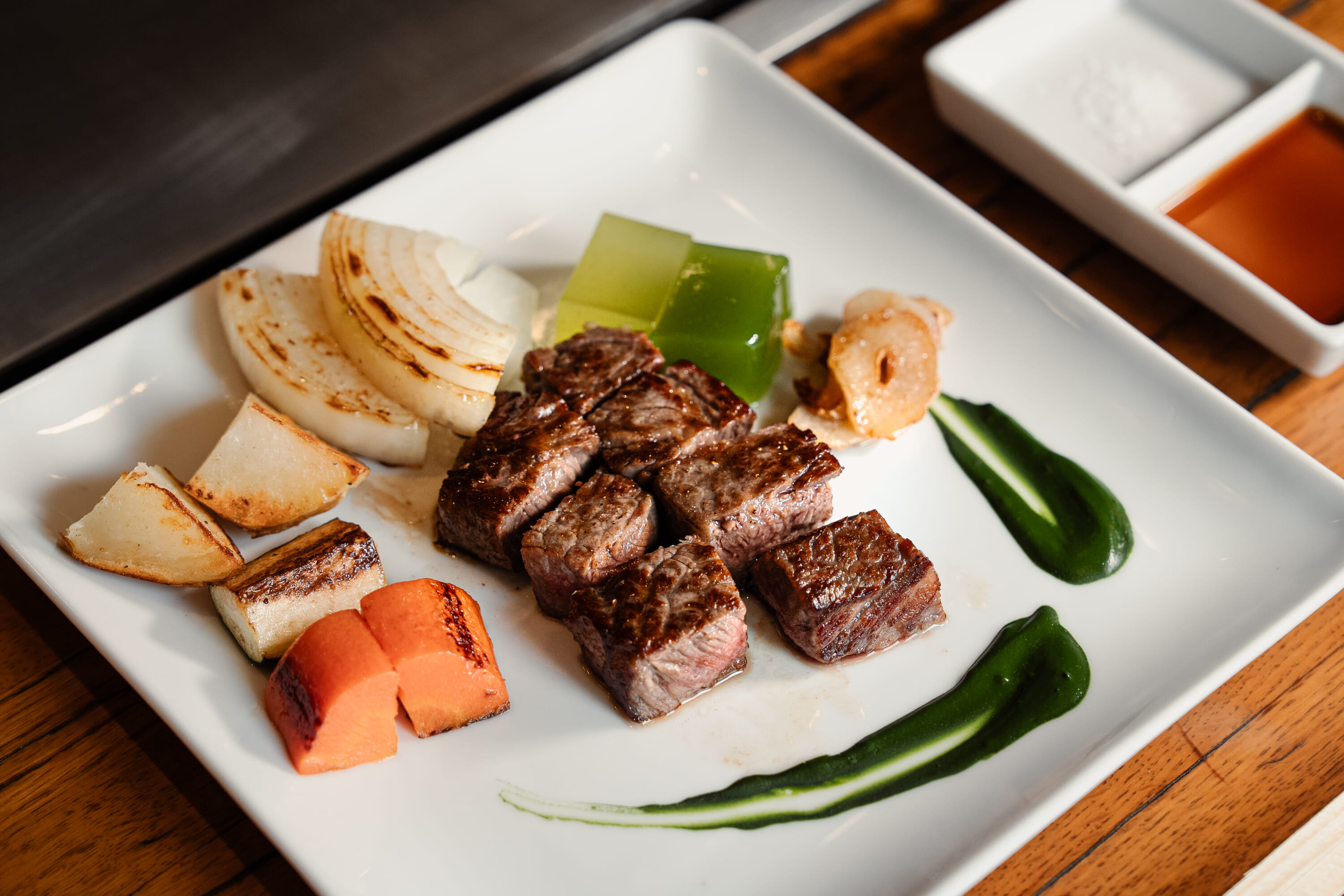
For a truly immersive taste of Shizuoka’s tea culture, Le Monde Fujigaya offers refined lunch and dinner courses that artfully combine the region’s famed tea with teppanyaki techniques. Designed in collaboration with a certified Japanese tea instructor and a sommelier, each dish is carefully paired to highlight the flavors and aromas of Shizuoka tea, allowing guests to experience the region’s identity as a renowned tea-producing region in every bite.
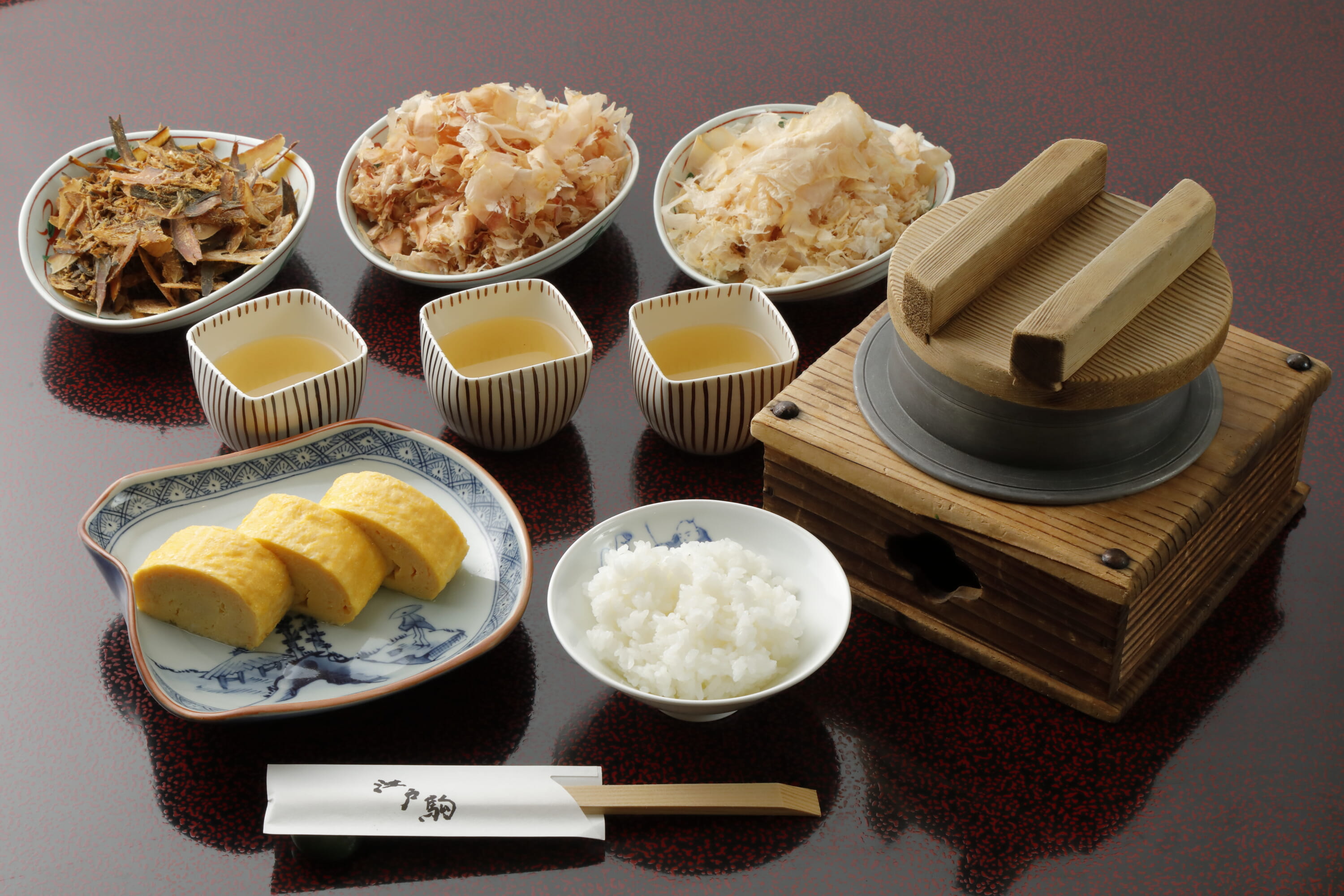
Meanwhile, at Edokoma, visitors can explore the subtle art of Japanese broth-making, sampling three types of dashi — bonito flakes (katsuo-bushi), tuna flakes (maguro-bushi) and mackerel flakes (saba-bushi) — that have been meticulously prepared using deep-sea water from Suruga Bay. Guests taste each broth, noting the differences in aroma and depth, and enjoy a dashimaki tamago, a rolled omelet, made with their dashi of choice.
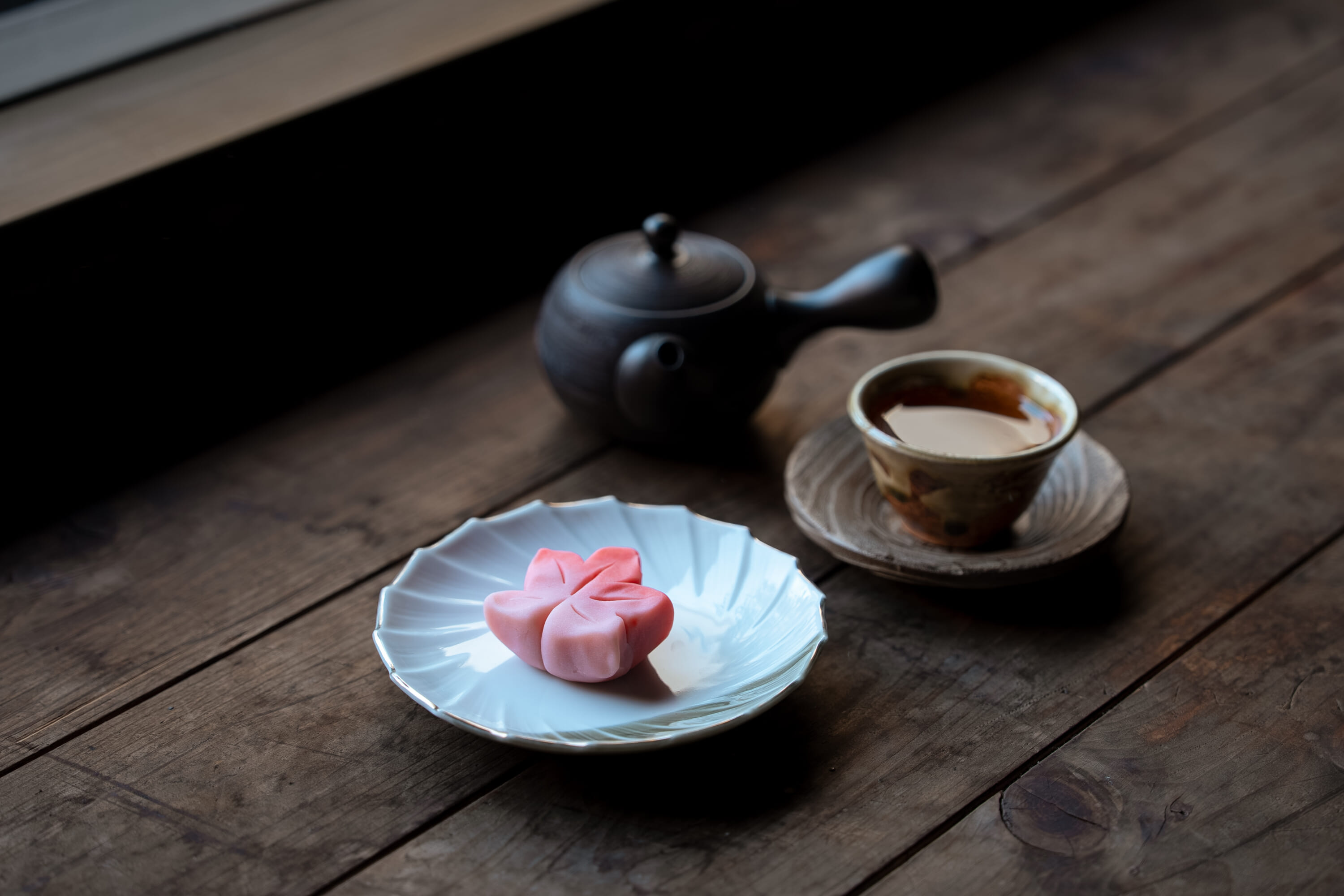
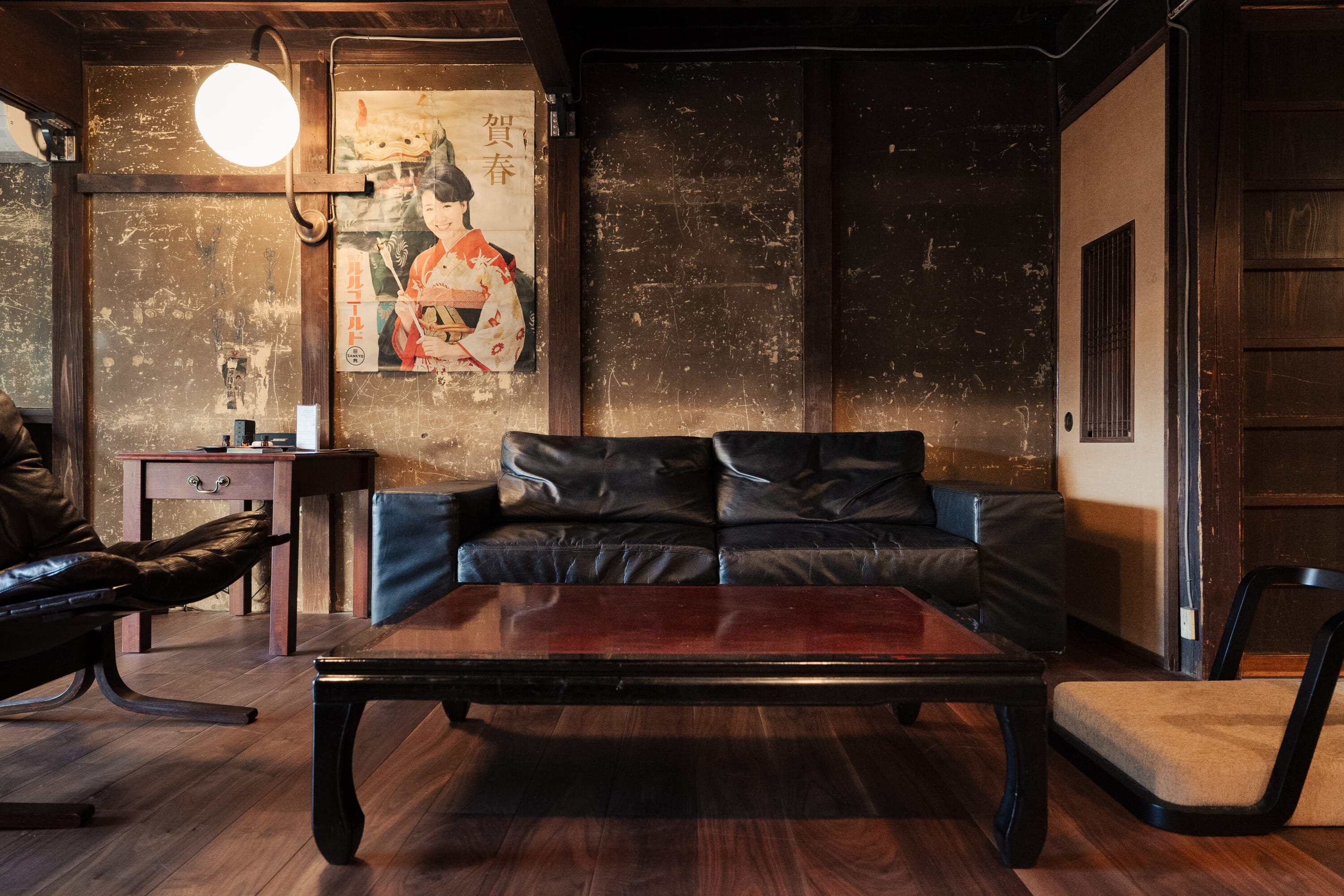
At Kaido, a stunning kominka (traditional Japanese house) set along the ancient Tokaido route, those who stay at the lodging have the chance to savor a taste of history, enlisting a fifth-generation wagashi artisan to guide you through the art of Japanese confectionery. The method for creating your own delicate dessert remains the same as it did during the Edo period, and the exact type of sweet you make will change depending on the season — during the fall, for instance, it’ll be autumn leaves shaped out of mochi and anko (red bean paste)
More Info
Shizuoka city is about an hour and 20 minutes from Tokyo via the Tokaido Shinkansen.
To book a tour or cultural experience, email [email protected] or click here.
Updated On April 21, 2026