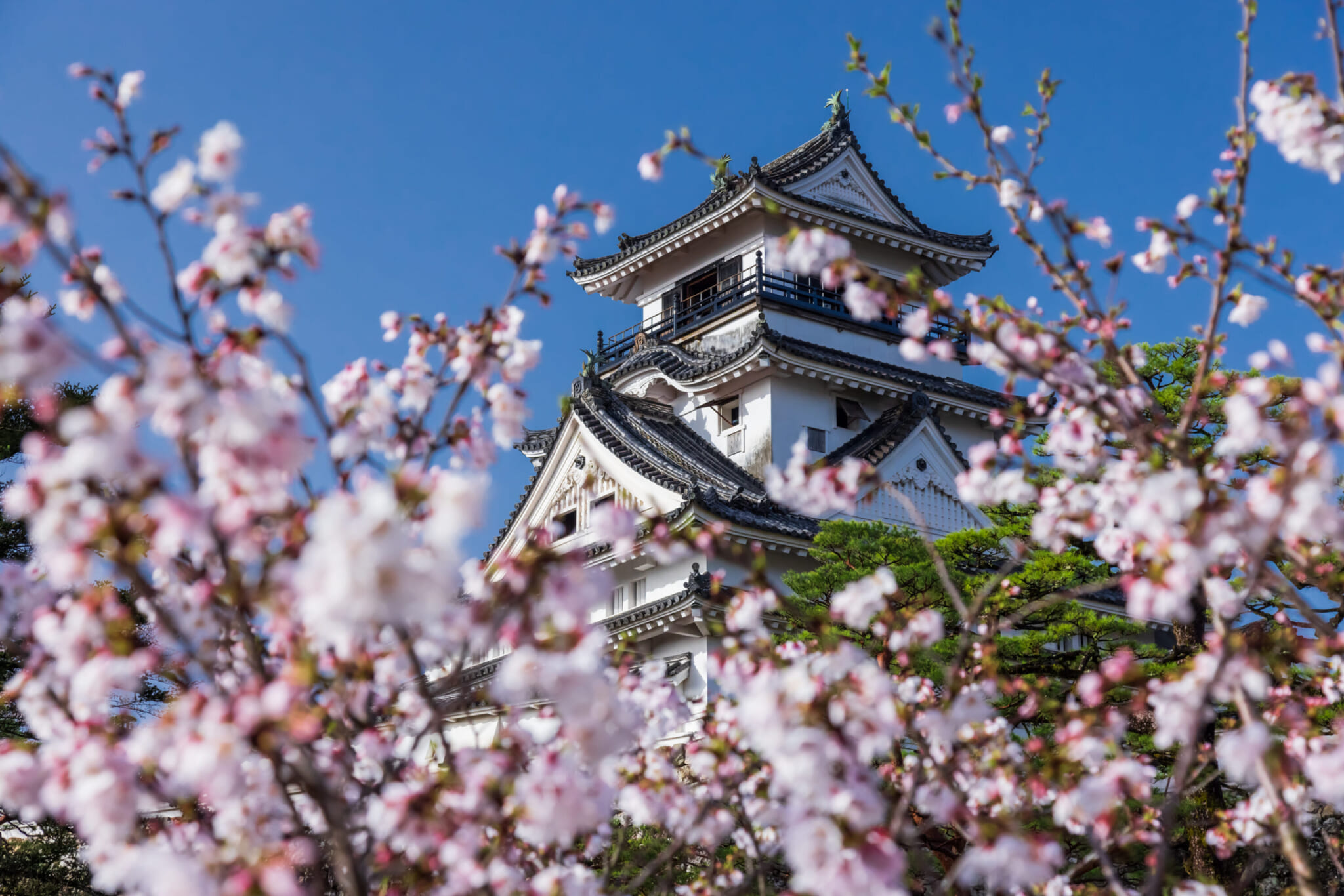
Most travelers to Japan follow the same well-worn trail: neon in Tokyo, shrines in Kyoto and street food in Osaka. But far to the south, tucked away on the island of Shikoku, lies a prefecture where you can see a truly authentic, unfiltered side of the country. This is Kochi Prefecture: famous for its natural beauty, unique historic sites, incredible food and its beautiful rivers.
It’s a place where you can surf in sparkling waters, then watch brightly costumed dancers surge through the streets as part of a vibrant local festival — where you can see sleek modernist buildings designed by Kengo Kuma and pilgrimage sites with centuries of history.
Here are just a few of the region’s many highlights.
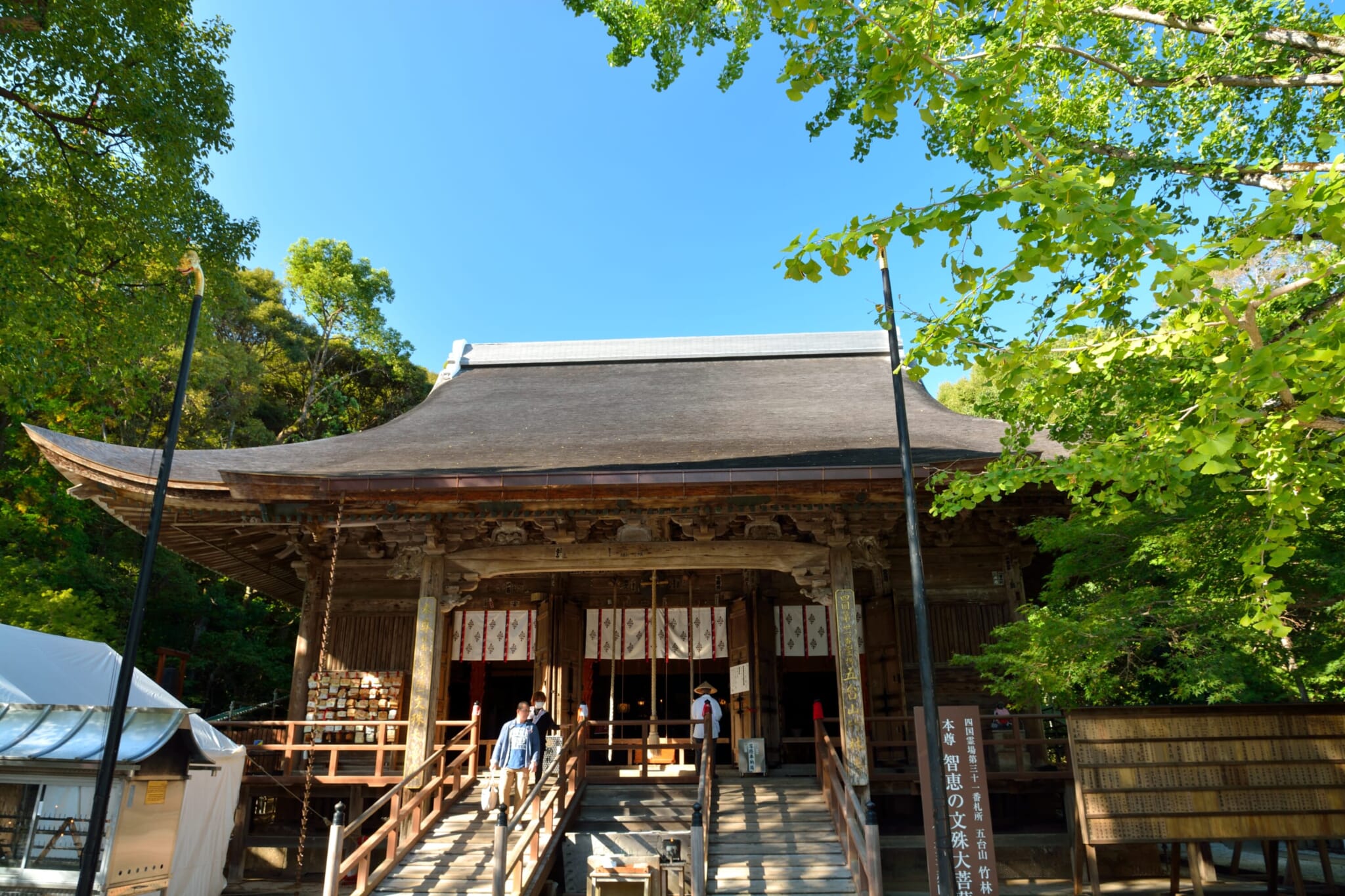
CHIKURIN JI TEMPLE. PHOTO CREDIT: KOCHI VISITORS & CONVENTION ASSOCIATION
Take the Legendary Shikoku Pilgrimage
In Kochi, spirituality is written into the landscape, carried in the rhythm of footsteps and the rustle of temple bells. This prefecture is home to 16 temples on the legendary Shikoku Pilgrimage, a journey that circles through 88 sacred sites on the island.
Even if you only walk a short stretch of the historic route — or just stop by a temple or two — the experience is powerful. At Iwamotoji Temple, visitors can meditate in the waters of the Shimanto River or inscribe sacred sutras onto scrolls in English. The temple itself blends ancient spirituality and contemporary art: Although it was originally built in the 8th century, its main hall ceiling was refurbished in 1978 with 575 donated paintings. These range from traditional images of nature and Buddha to playful depictions of cats, giraffes, sailboats and even Marilyn Monroe.
Meanwhile, Chikurinji Temple offers a serene and contemplative experience, with a five-story pagoda and mossy gardens tucked into a forested hillside. And for a seamless way to explore further, the Niyodo Blue Tourism Council operates a sightseeing taxi plan, allowing you to travel along the pilgrimage route with comfort and ease.
Visit Yusuhara, a Mountain Town Filled With Architectural Masterpieces by Kengo Kuma
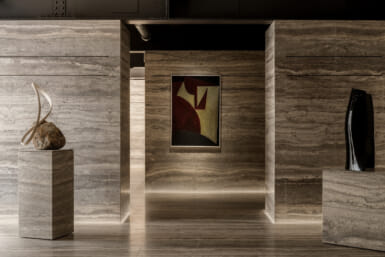
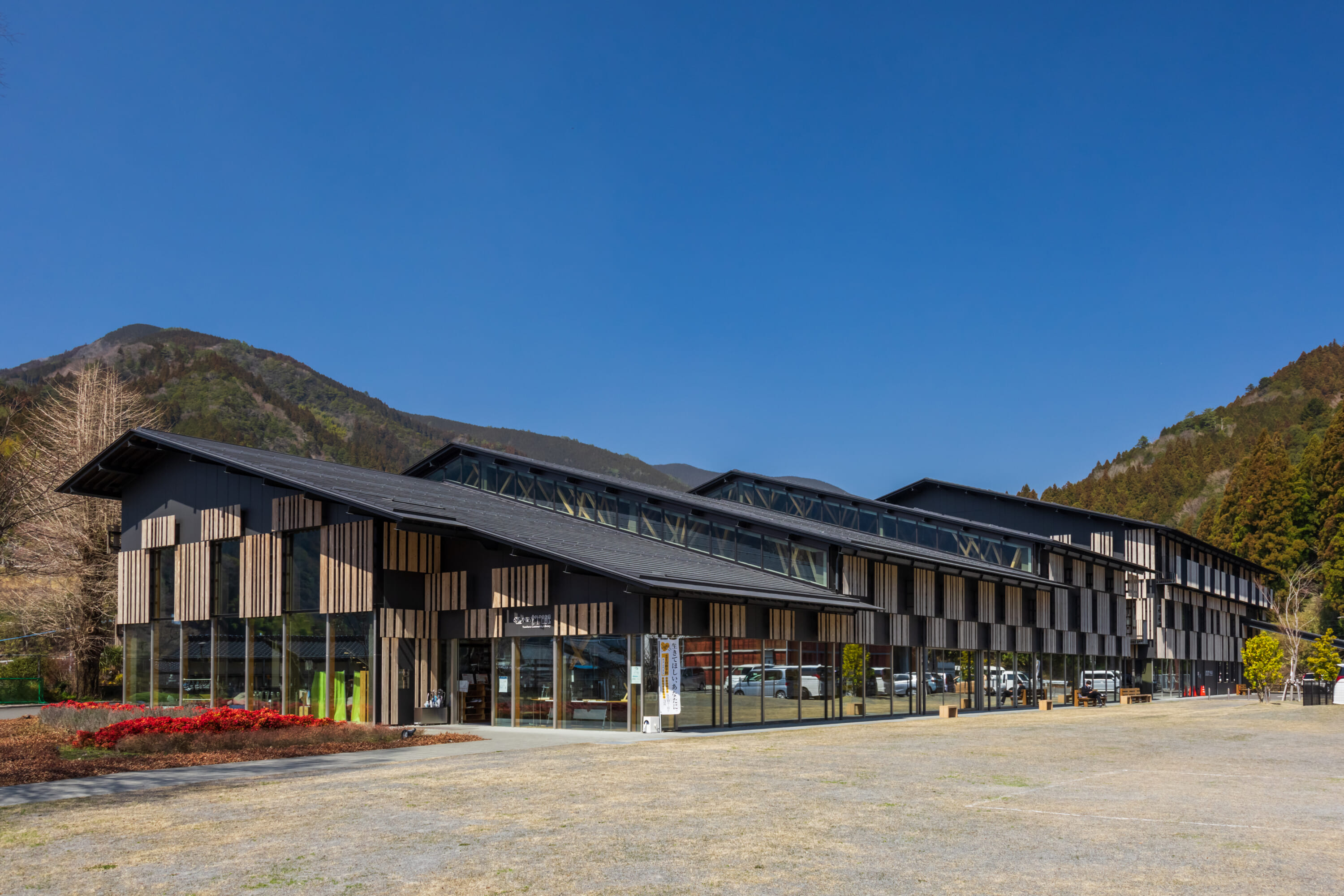
High in the mountains of Kochi, the small town of Yusuhara has become an unlikely pilgrimage site for architecture lovers. This is thanks to Kengo Kuma, one of Japan’s most influential contemporary architects. In Yusuhara, he’s designed several buildings that balance local tradition with inventive and understated forms, making the whole area feel like a living museum.
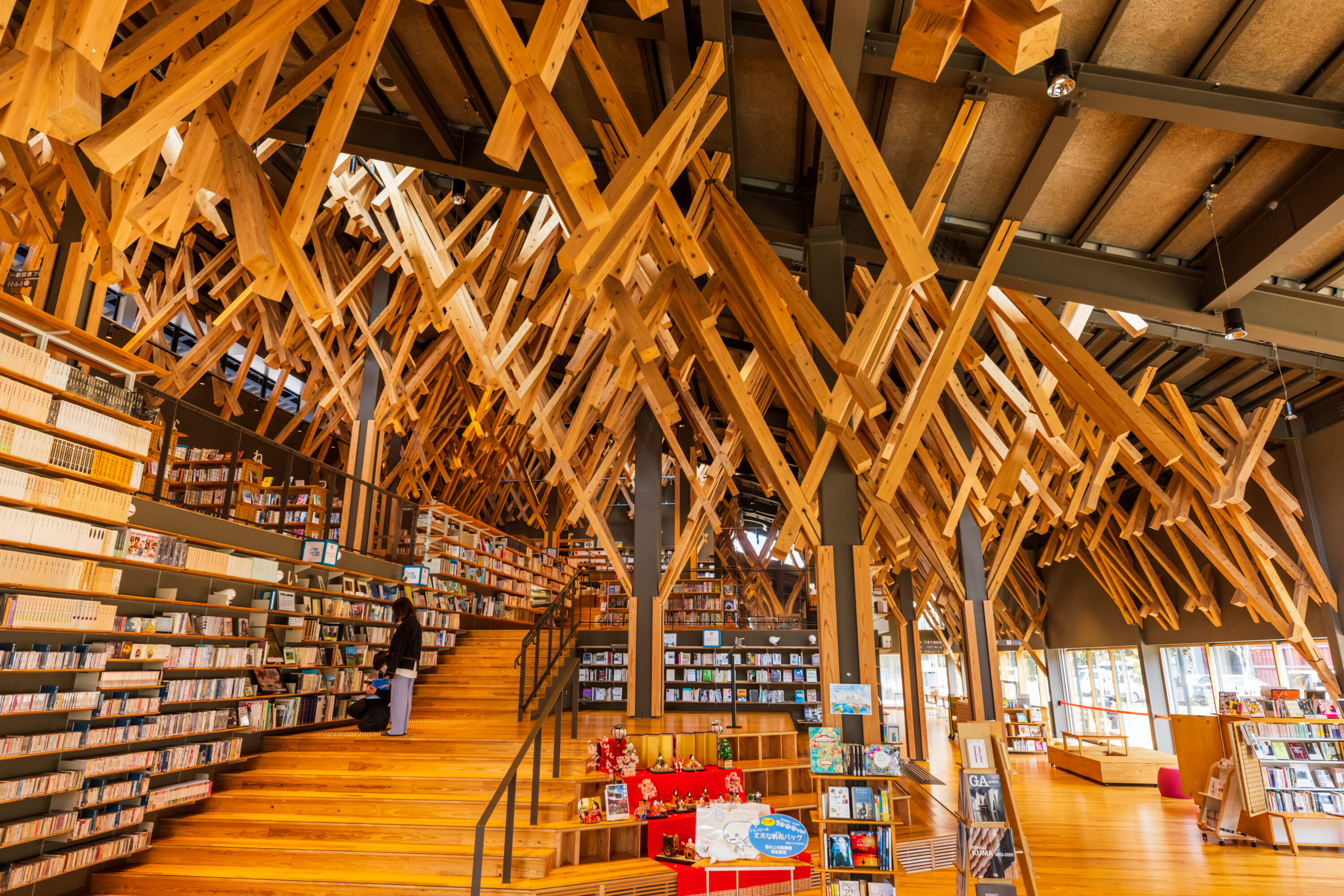
Reaching an altitude of 1,455 meters at its highest point, Yusuhara is also known as “kumo no ue no machi,” or “the town above the clouds.” It now boasts five Kuma creations; the Kumo no Ue no Hotel was his first. Beside it, the Kumo no Ue no Gallery (Yusuhara Wooden Bridge Museum) seems to hover in the air, its cedar beams recalling the eaves of a temple. The Yusuhara Community Library, often cited as one of Japan’s most beautiful libraries, cocoons its books in glowing cedar. Its ceiling of interlaced beams resembles an inverted forest, filtering light like leaves.
Even the town’s everyday spaces carry Kuma’s touch. The Yusuhara Town Office opens into a lofty atrium with a tearoom on the first floor, while the Machi-no-Eki Yusuhara — part market, part hotel — subverts expectations by using thatch not on the roof but on its outer walls, enclosing cedar-lined rooms within. Finally, the Yururi Yusuhara welfare facility, though not usually open to visitors, adds to the town’s harmony with its cedar-boarded exterior.
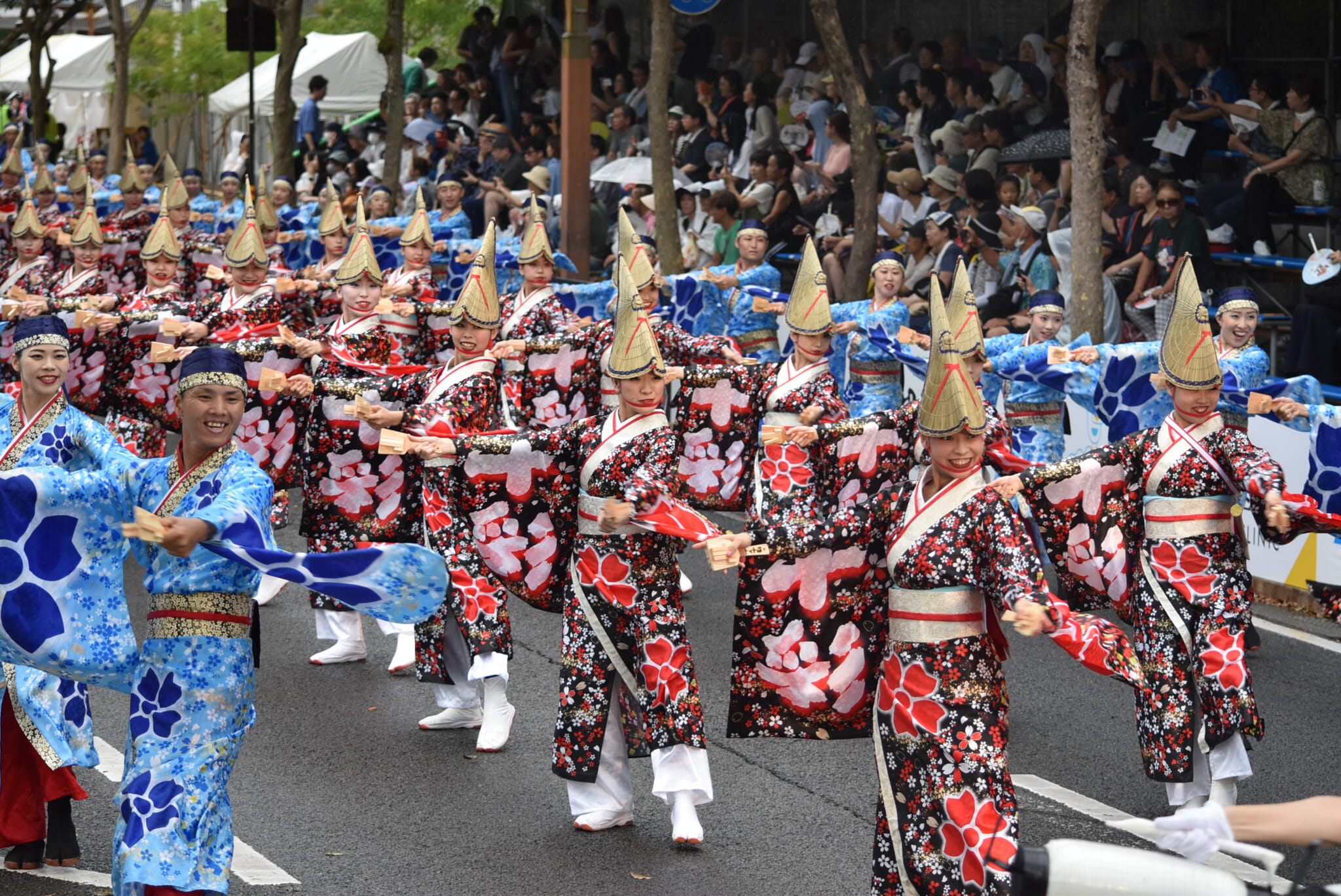
YOSAKOI FESTIVAL. PHOTO CREDIT: YOSAKOI FESTIVAL PROMOTION ASSOCIATION
Dance in the Streets at the Yosakoi Festival
If you happen to visit Kochi Prefecture in August, prepare for one of Japan’s most vibrant celebrations: the Yosakoi Festival, held annually from August 9 to 12. For four days and nights, the city transforms into a stage where thousands of dancers parade through the streets in vivid costumes, their movements punctuated by the sharp click of naruko — small wooden clappers once used by farmers to chase birds from the rice fields. The sound becomes a heartbeat for the festival, uniting troupes whose music ranges from folk songs to rock, samba and hip-hop, each group layering its own style onto the tradition.
The first Yosakoi Festival was held in 1954 to lift the community’s spirits in the wake of economic recession. Seventy years later, it has grown into a nationwide phenomenon, yet Kochi’s version still feels the most alive — a blur of color and sound that spills long into the summer night. For travelers, it’s not just a spectacle to observe but an open invitation: A small number of dance teams welcome walk-ons on certain days of the festival (registration required). So grab a pair of naruko, clap along and let yourself be swept into the rhythm of Kochi. Just be sure to book your visit early, as hotels fill up fast.
Even if your trip doesn’t coincide with the festival, you can still experience the heady rush of the Yosakoi at other times of the year, including at the Yosakoi Encore, held in the second half of August; the Ryoma Birthday Festival in November; and on weekends and national holidays in Kochi Tabi Hiroba.
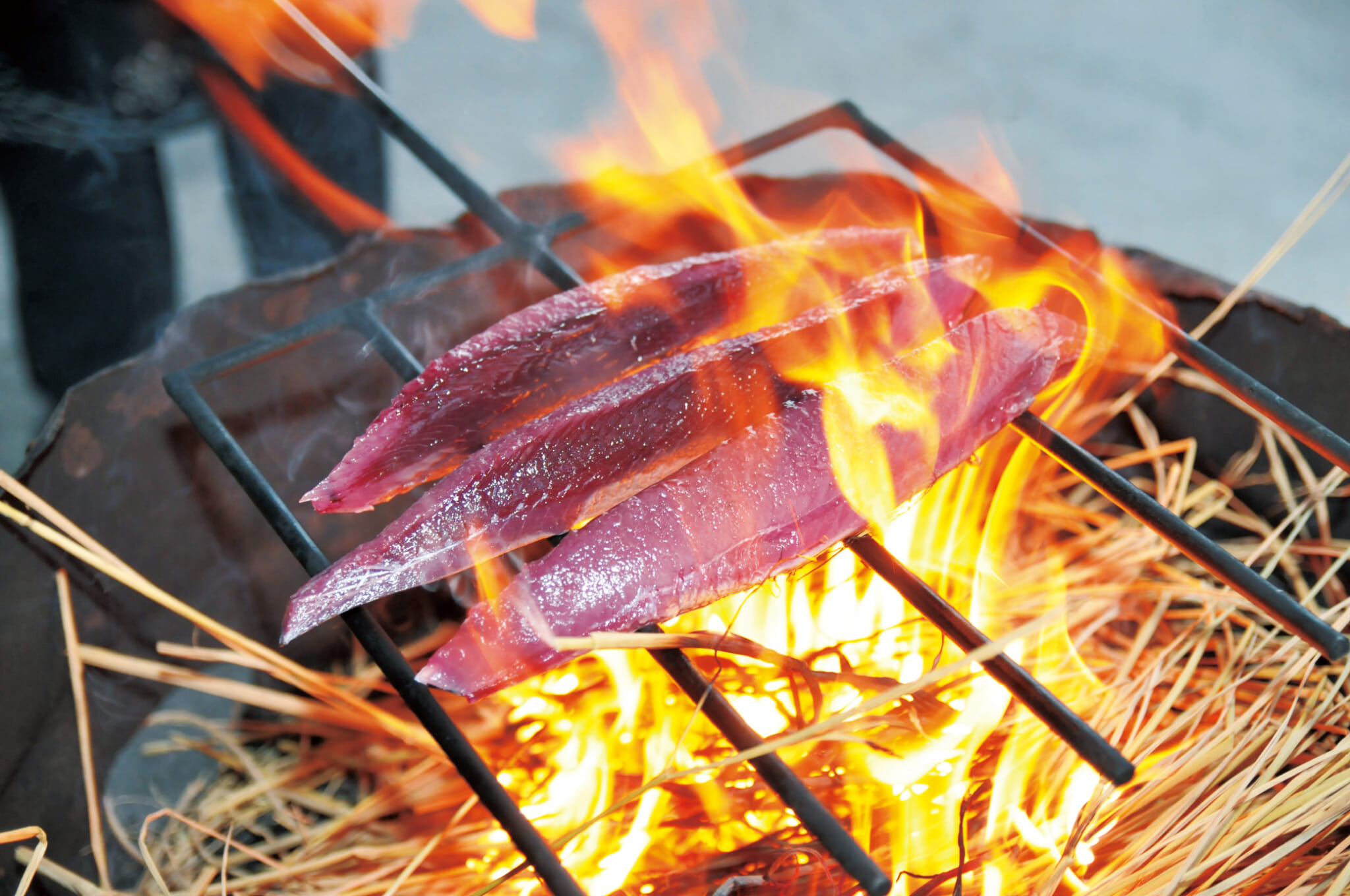
KATSUO NO TATAKI. PHOTO CREDIT: KOCHI VISITORS & CONVENTION ASSOCIATION
Savor Seared Bonito, Kochi’s Soul Food
Every region in Japan has a dish that tells its story. For Kochi, it’s katsuo no warayaki — bonito seared over blazing rice straw. Sparks fly and flames roar as the fish is held directly above the fire until the skin crackles and smokes, leaving the inside tender and bursting with umami.
The beauty is in its simplicity: just a sprinkle of salt, garlic slices and spring onion. You’ll find it across the prefecture, but perhaps the best place to try it is Hirome Market, a maze of food stalls and long wooden tables in the heart of Kochi city. Order a few plates, raise a glass of local sake and before long you’ll find yourself chatting with the strangers-turned-friends sitting beside you.
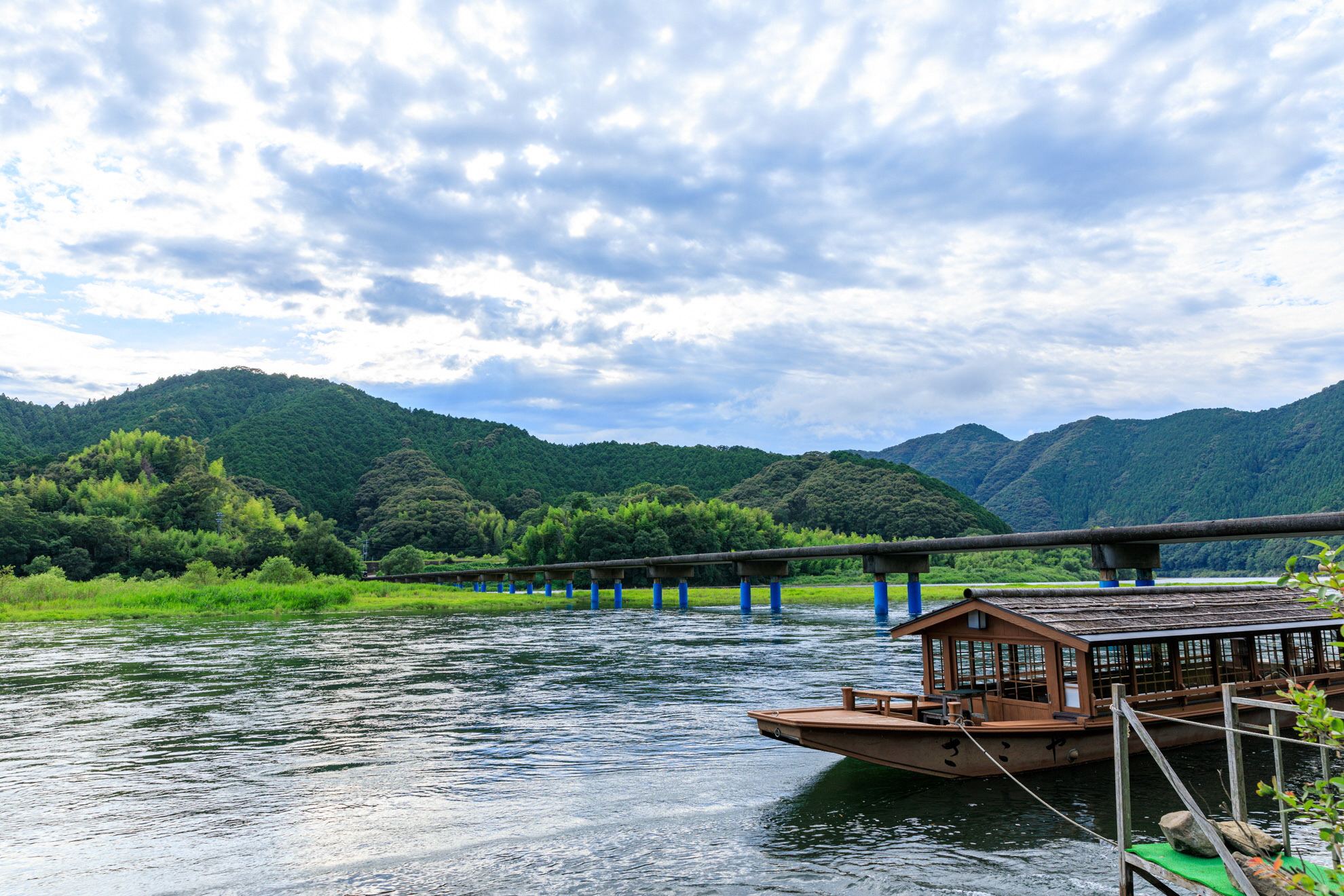
YAKATABUNE. PHOTO CREDIT: (C) VISIT KOCHI JAPAN
Plan Your Visit to Kochi Prefecture
Kochi Prefecture brings together everything travelers seek in Japan: unforgettable food, pristine nature, hands-on traditions and vibrant festivals. Yet it remains refreshingly under the radar, making each experience feel personal and unspoiled.
Getting there is easier than you might expect: from Tokyo, there are direct flights to Kochi Ryoma Airport that take just under 90 minutes; From Okayama, you can reach Kochi in two hours and 35 minutes by the Limited Express Nanpu train.
For maps, travel ideas and more, head to the prefecture’s official website.