Chie Hayakawa was in elementary school when she decided she wanted to be a filmmaker. The Tokyo native went on to study photography at the New York School of Visual Arts before releasing her breakthrough short “Niagara,” a story about a girl who goes to live with her dementia-afflicted grandmother. It was selected in the Cinéfondation section at the Cannes Film Festival in 2014.
Hayakawa’s debut feature, Plan 75, came eight years later. A critically acclaimed dystopian drama about a government-sponsored euthanasia program available to all Japanese citizens 75 and older to address the country’s aging society, it was awarded the Camera d’Or Special Mention at the Cannes Film Festival in 2022.
Her latest flick, Renoir, a semi-autobiographical coming-of-age tale set in Tokyo in the late 1980s about a pre-teen girl named Fuki whose father is battling terminal cancer, was recently nominated for the prestigious Palme d’Or prize at the 78th annual Cannes Film Festival. Hayakawa recently spoke to Tokyo Weekender about the film.
Complete Interview with Chie Hayakawa
Why did you decide to make Renoir?
My previous movie, Plan 75, was an issue-driven film. I, therefore, wanted to make something different; a movie about emotions that I couldn’t describe in words. I’ve been wanting to make a film about an 11-year-old because I was about that age when I first started to think about becoming a filmmaker. There were a lot of ideas and scenes in my mind for my future film.
© Renoir – Loaded Films
You mentioned Plan 75, which also deals with preemptive grief. How connected are the two films? And what was it like making such a personal movie from an emotional perspective?
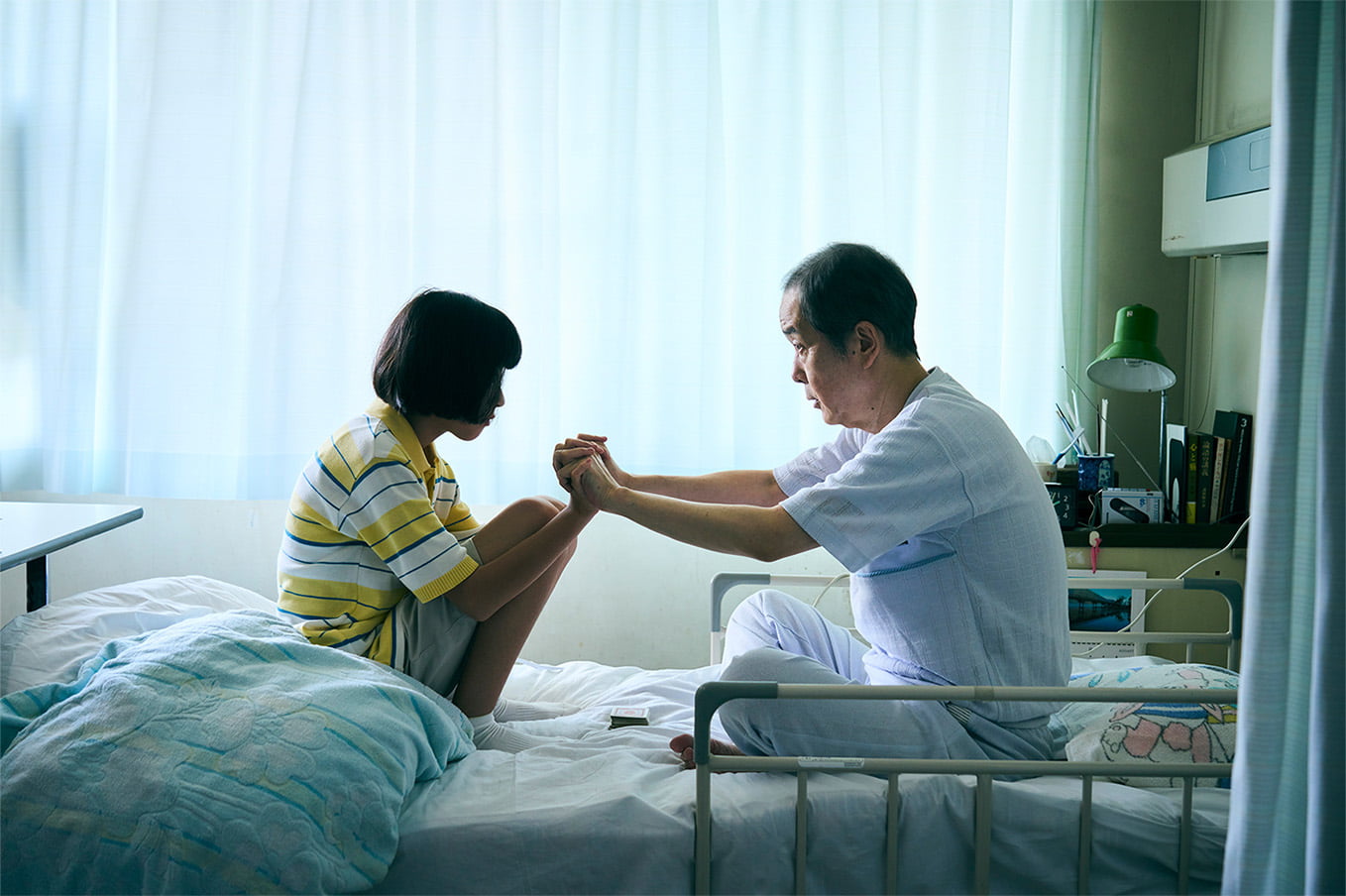
My personal experience of living with a father who had cancer affected my perception of death, solidarity and human dignity. So I think you have similar underlying themes in both films. For me, making Renoir was like a journey to find myself. I gained a new perspective on my childhood.
What kind of films inspired you when making this film?
I was inspired by movies which have a child as the protagonist, such as Shinji Somai’s Moving, Victor Erice’s The Spirit of the Beehive and François Truffaut’s The 400 Blows, to name a few.
Why did you decide on Renoir as the title?
I wanted to have a title that didn’t have a specific meaning. I like the contrast between a story about a little Japanese girl and a French painter. However, after showing the film at Cannes, a lot of people mentioned that the movie was like an impressionist painting. A picture starts to emerge with a lot of brush strokes and colors. Renoir has a lot of small episodes which don’t look like they connect with each other, but the collections of these episodes help to give the film something special and, I hope, leave a lasting impression.
© Renoir – Loaded Films
The film includes a story about a pedophile who attempts to groom Fuki via phone chat chat lines. Why did you include that?
Girls are constantly exposed to such dangers. Sometimes they don’t understand what’s going on, but have a feeling of fear or uneasiness. They also have curiosity about sexual things at that age. I wanted to depict a girl’s complex feelings and bitter experience. How her dignity can be hurt by men’s desires.
Why did you choose the Yellow Magic Orchestra song “Rydeen” in the movie?
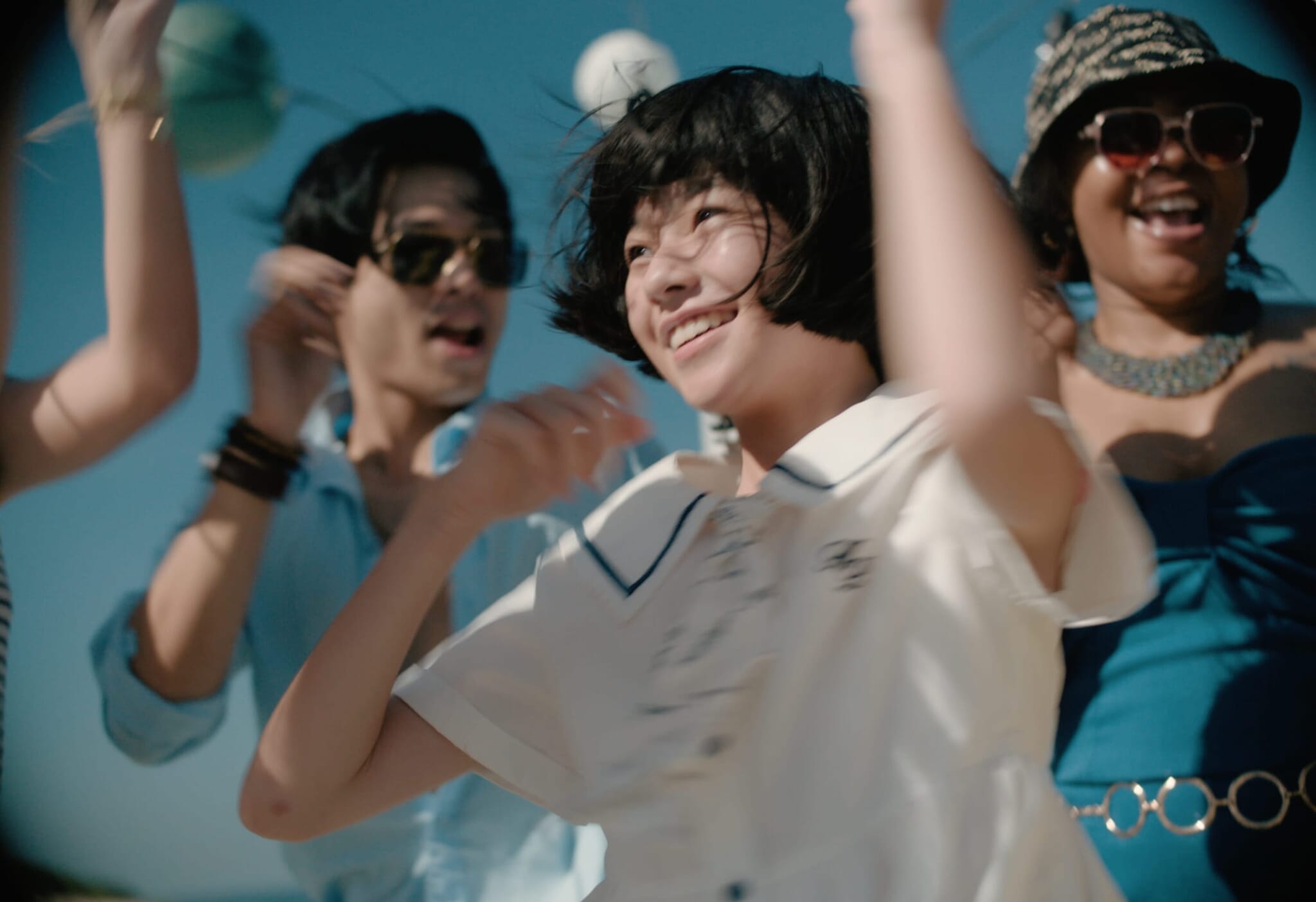
That was the song I danced to at a summer camp when I was a child. Also, the film is set in 1987, so I think it also embodies the positivity that Japan was feeling at that time during the bubble period.
Telepathy is another theme in the film. Were you interested in that growing up?
Yes, I was drawn into it. I practiced a lot when I was in my early teens. I wanted to believe it existed and that miracles were possible.

© Renoir – Loaded Films
Yui Suzuki was the first child to audition for the role. What impressed you about her? And what was she like to work with?
I found that she has her own universe inside of her. She is a very creative artist who is brave and is very comfortable in front of the camera. I really liked her strong gaze. Once I cast her, though, I was expecting that it would be very challenging to direct a child. However, it was so easy working with Yui. I didn’t really give her detailed directions. I just let her do whatever she wanted. She acted so naturally. She has real talent.
What about the performances of Lily Franky and Hikari Ishida?
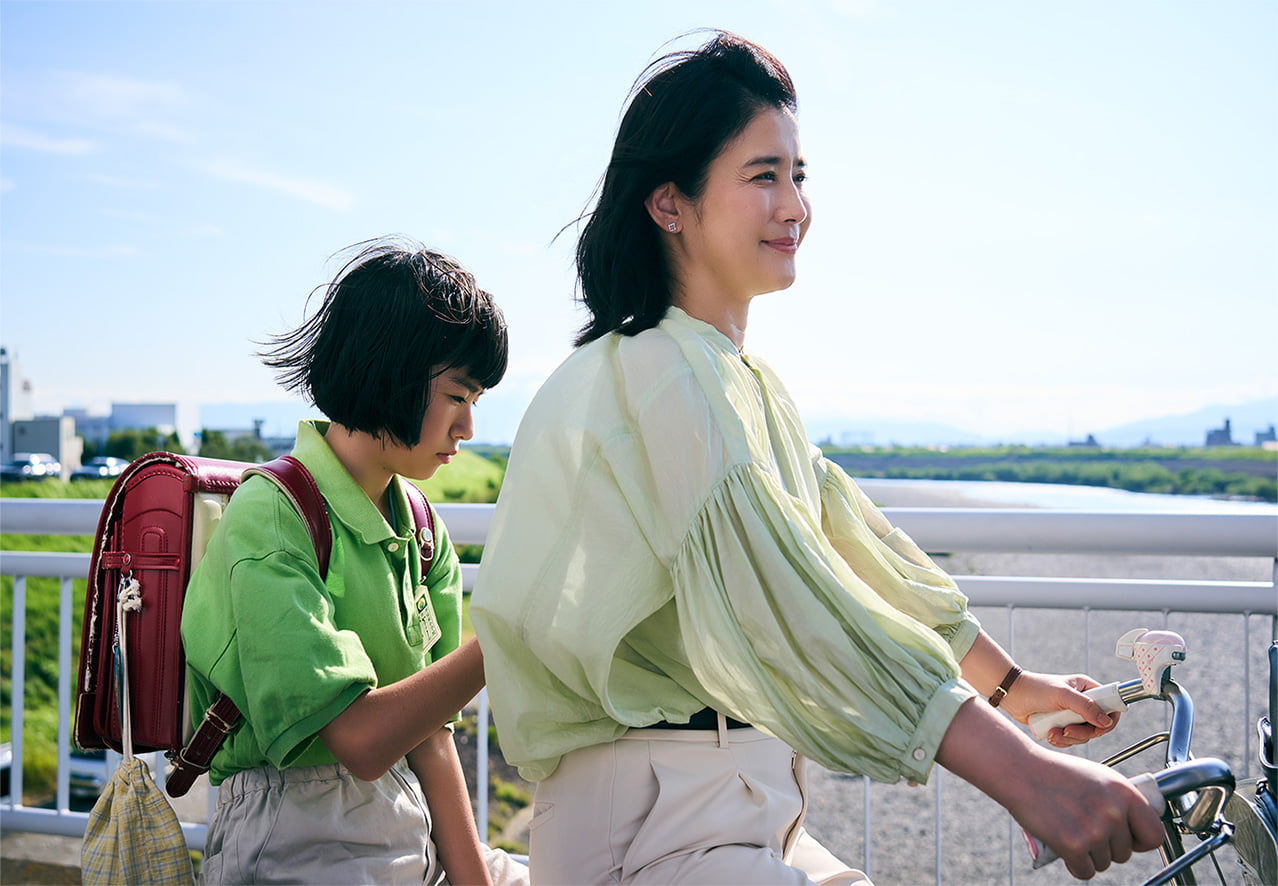
Lily Franky reminds me of Chishu Ryu because his acting is so minimal and his presence, just standing or sitting, gives a very strong and true impression. I was impressed with Hikari Ishida’s performance as she embodied a mother’s frustration, desperation and weakness.
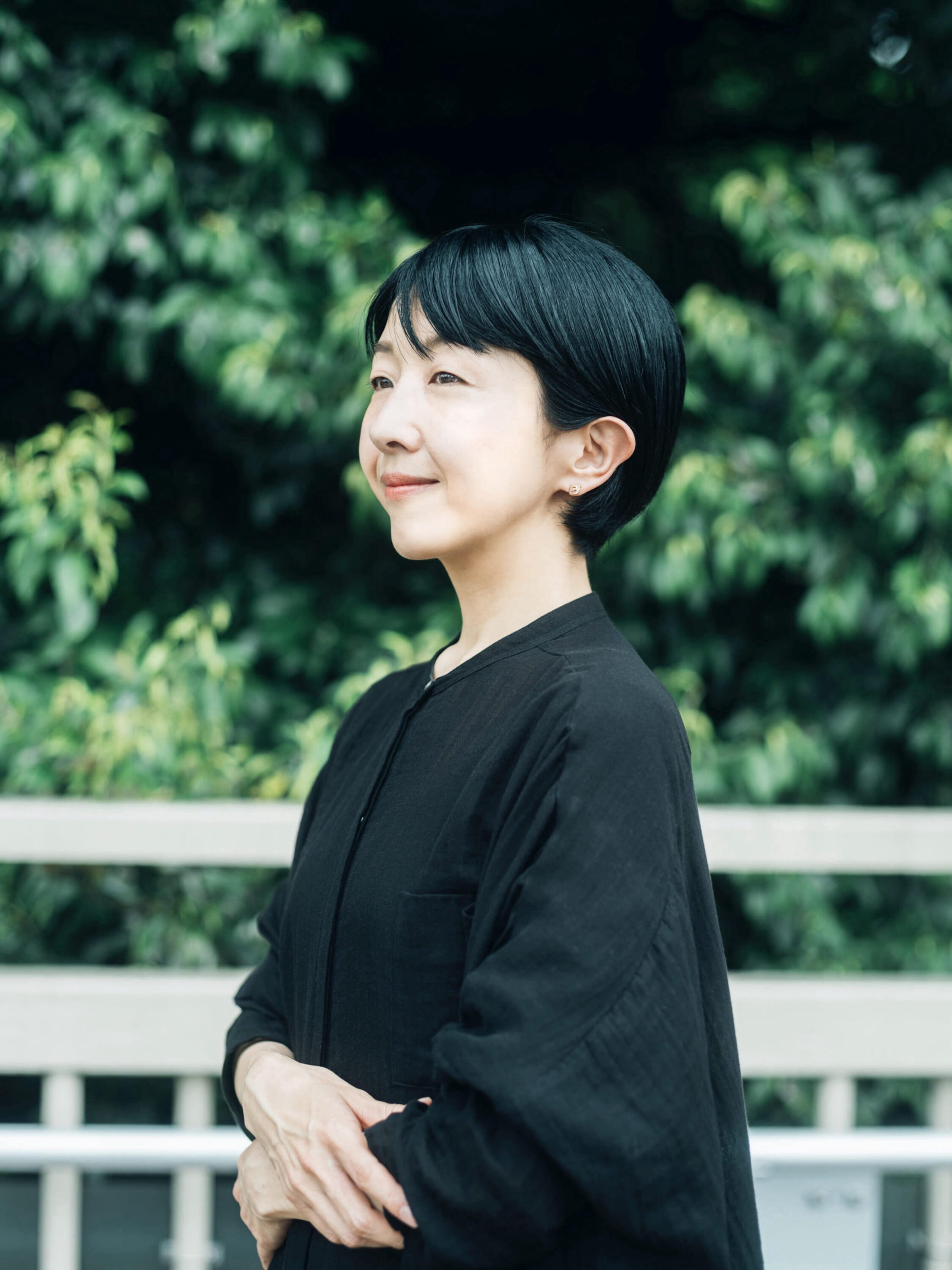
How did it feel to be nominated for the Palme d’Or?
I was honored and felt very encouraged as a filmmaker. But at the same time, it was very surrealistic to see my name among other legendary filmmakers. For a long time, it didn’t feel real. Of course, I would love to be nominated again. My future goal, though, is just to keep making films that I can put my soul into.
Renoir is showing at Shinjuku Piccadilly Cinema with English subtitles until July 17.
Related Posts
- Chie Hayakawa’s Renoir Competes for Palme d’Or at Cannes Film Festival 2025
- Johatsu: A Haunting Documentary About Japan’s ‘Evaporated People’
- David Lynch and Japan – The Twin Peaks of a Decades-Long, Mutual Obsession
Updated On July 16, 2025