A Look at Shunga, Historic Japanese Erotic Art
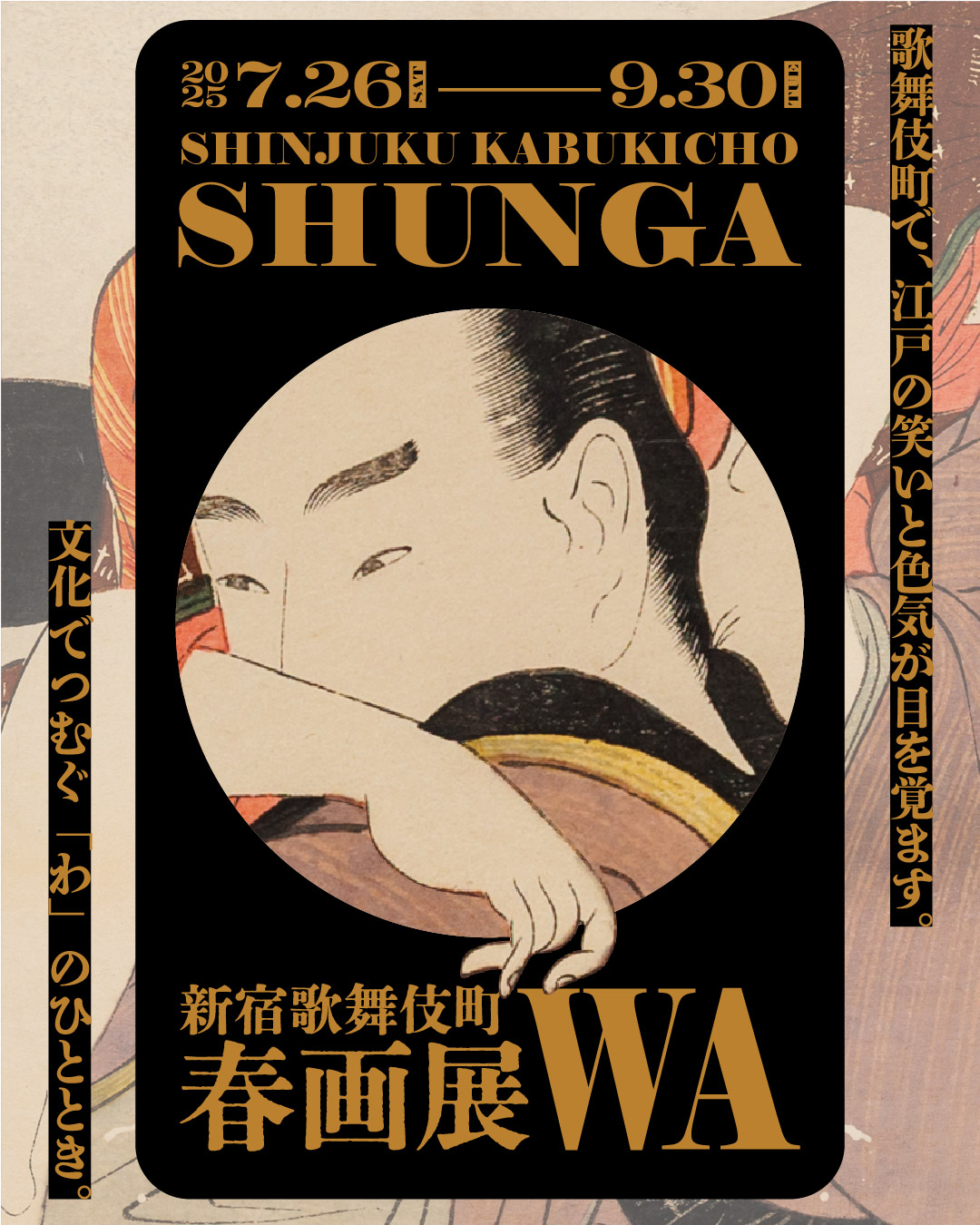
Smappa! Group, a host club entertainment group based in Shinjuku, is hosting a special art exhibition titled “Shinjuku Kabukicho Shunga Exhibition – A Moment of Culture” from July 26 to September 30.
The exhibition will display over 100 pieces of shunga art from the Edo period, including works by Hishikawa Moronobu, Kitagawa Utamaro, Katsushika Hokusai and Utagawa Kuniyoshi.
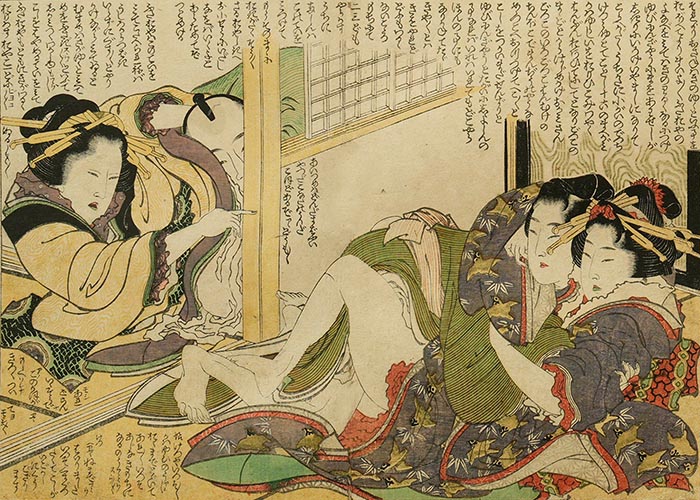
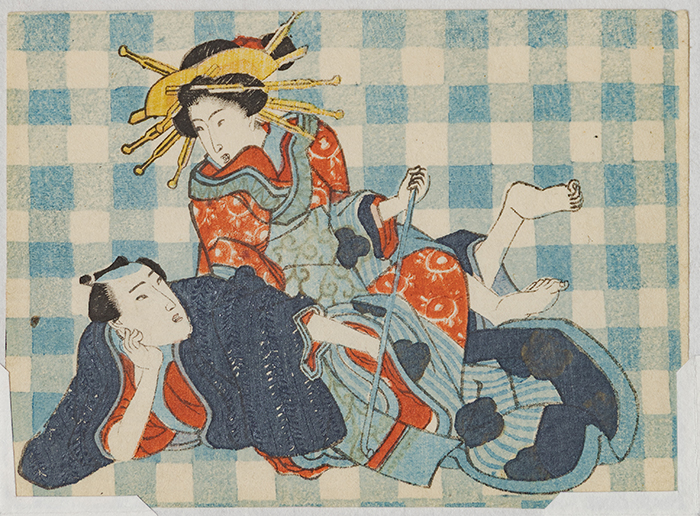
Shunga is a type of ukiyo-e woodblock print that usually features erotic themes. Artwork typically highlighted sexual acts and nudity. The term “shunga” directly translates to “spring pictures,” a euphemism for sexual activity. Though the activities depicted in shunga can be intimate or embarrassing, shunga captivated the people of Edo across gender and social status. From commoners to feudal lords, both men and women, shunga has stimulated intellectual curiosity and visualized the coexisting elegance and vulgarity of Edo.
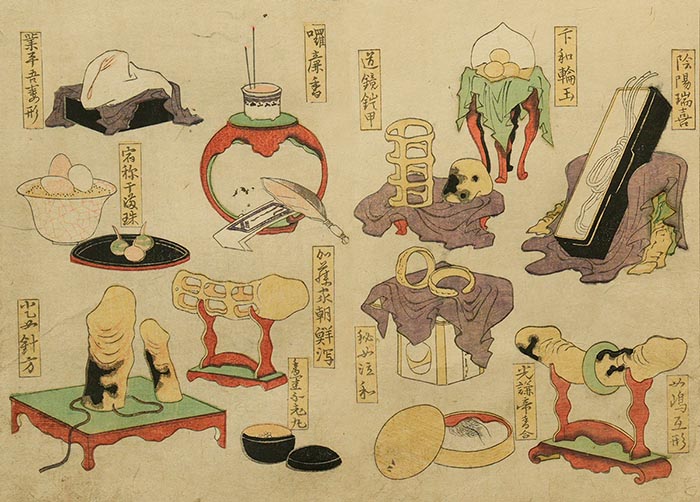
The exhibit is built from Mitsuru Urakami’s extensive collection. Urakami is the world’s largest collector of “Hokusai Manga” and shunga, and is a leading figure in spreading the appeal of shunga around the world. In 2013, he was involved as an exhibitor and sponsor of “Shunga: Sex and the Joy of Japanese Art” at the British Museum in London. In 2015, he produced Japan’s first shunga exhibition at the Eisei Bunko museum in Tokyo, which attracted approximately 210,000 people over three months.
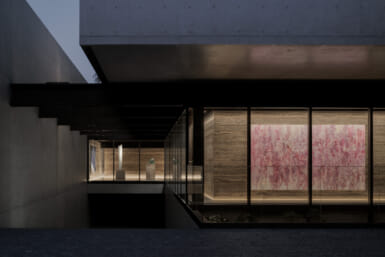
The exhibit, hosted at Shinjuku Kabukicho Noh Stage, will completely utilize the stage venue from the main stage and bridge, to the dressing rooms and audience seats. The gallery will focus on three main pillars: laughter, learning and harmony.