Kobayashi Tokusaburo’s Contributions To Taisho and Showa-era Culture
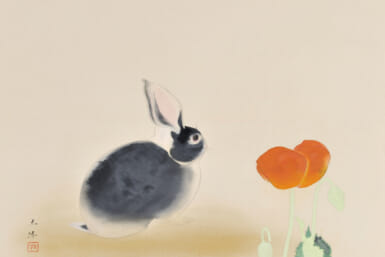
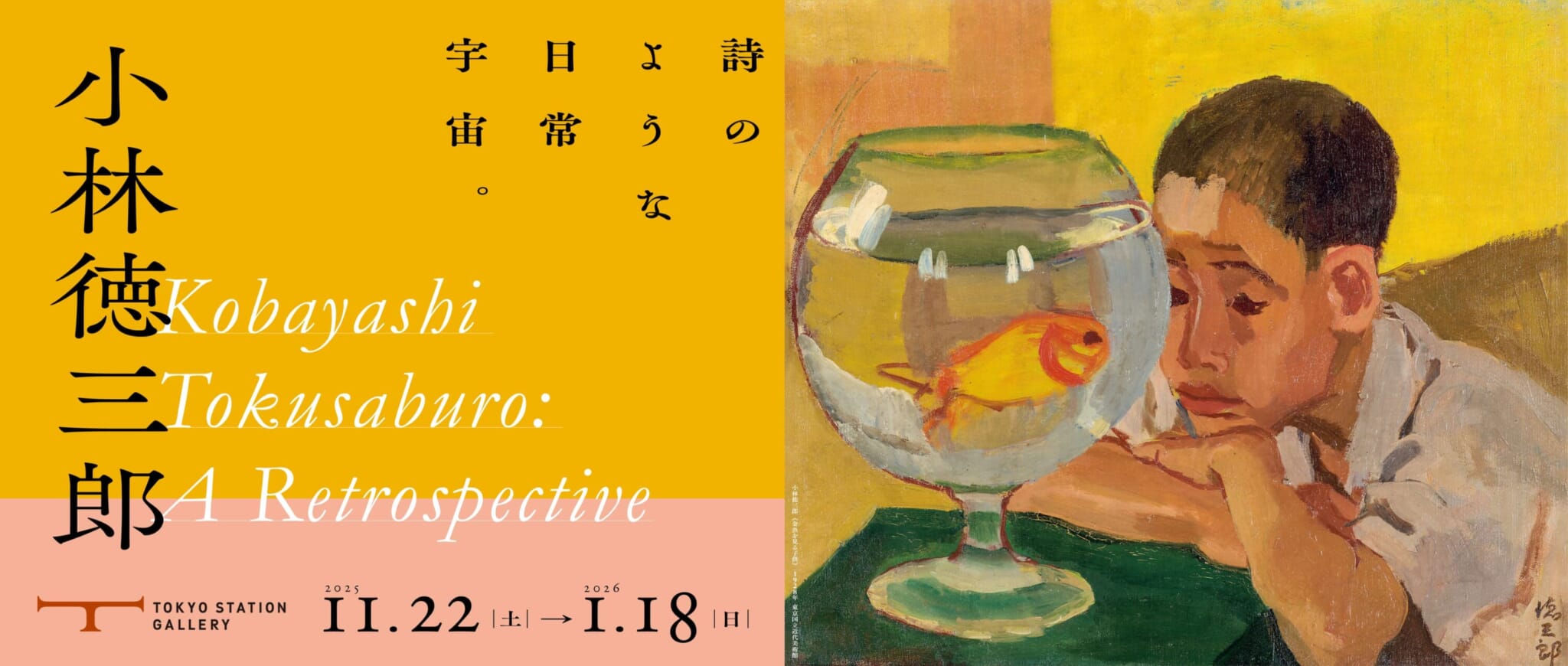
The first major retrospective dedicated to the Taisho and early Showa-era painter Kobayashi Tokusaburo reveals the extent of his contribution to Japan’s art world. Initially gaining attention within Fyuzan-kai (Fusain Society) — the first group to break away from traditional academic art, influenced by European movements like Post-Impressionism and Fauvism — he earned the nickname “Sardine Tokusaburo” for his striking paintings of fish. Tokusaburo’s characteristic voice shines most in intimate, unassuming depictions of daily life, often using his own children as models.
The exhibition traces his artistic achievements through approximately 300 works and archival materials, and shows his contributions to popular culture at the time; he contributed designs and essays to the literary magazine Kiseki, managed stage art for the theatrical company “Geijutsuza” and much more, highly regarded by the creative community of his day.
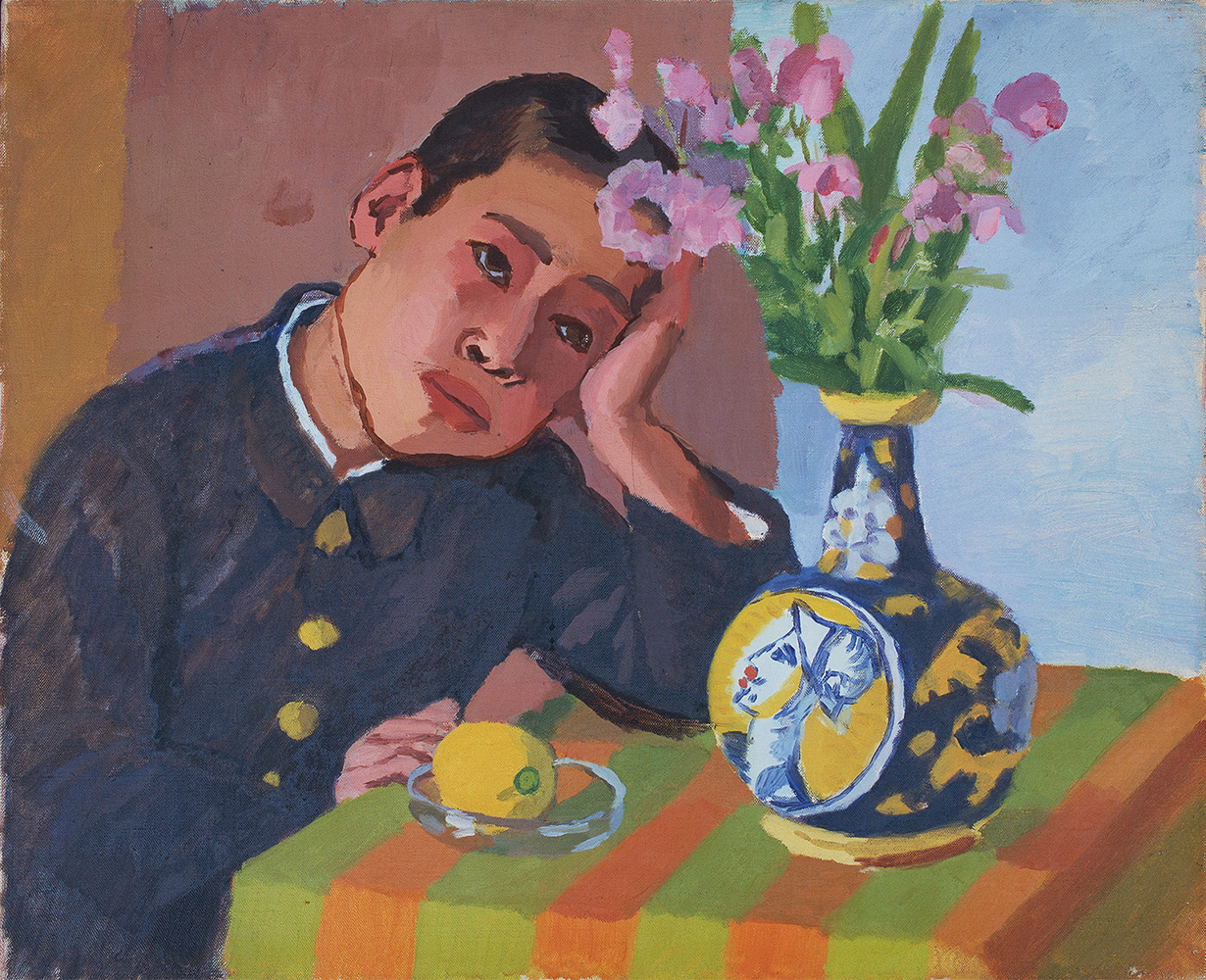
Kobayashi Tokusaburo, “Flowers and Boy” (1931), Fukuyama Museum of Art