

Kashima Shrine Overview
Set deep within a vast sacred forest in Kashima city, southeastern Ibaraki Prefecture, Kashima Shrine — officially known as Kashima Jingu — is one of the oldest and most historically significant Shinto shrines in Japan. According to shrine tradition, it was founded in 660 BC during the reign of the legendary first emperor, Jimmu, making it the oldest shrine in the Kanto region and one of the most prestigious in the entire country. Together with Ise Grand Shrine and Katori Shrine, Kashima Jingu was given the highest rank in the Shinto hierarchy by the Heian period, and it serves as the head shrine of over 600 Kashima-affiliated shrines across Japan.
The shrine is dedicated to Takemikazuchi-no-Okami, the Shinto deity of martial arts, thunder and national protection. Revered by warriors throughout Japanese history — including Minamoto no Yoritomo, Tokugawa Ieyasu, and legendary swordmaster Tsukahara Bokuden — the shrine has long been a destination for those seeking victory, courage and strength. The current shrine buildings, designated Important Cultural Properties, were constructed under Tokugawa patronage in the early Edo period: the main hall by the second shogun Tokugawa Hidetada in 1619, and the towering two-story Romon gate donated by Tokugawa Yorifusa, the first lord of the Mito domain, in 1634. The gate stands 13 meters tall and is considered one of Japan’s three great tower gates.
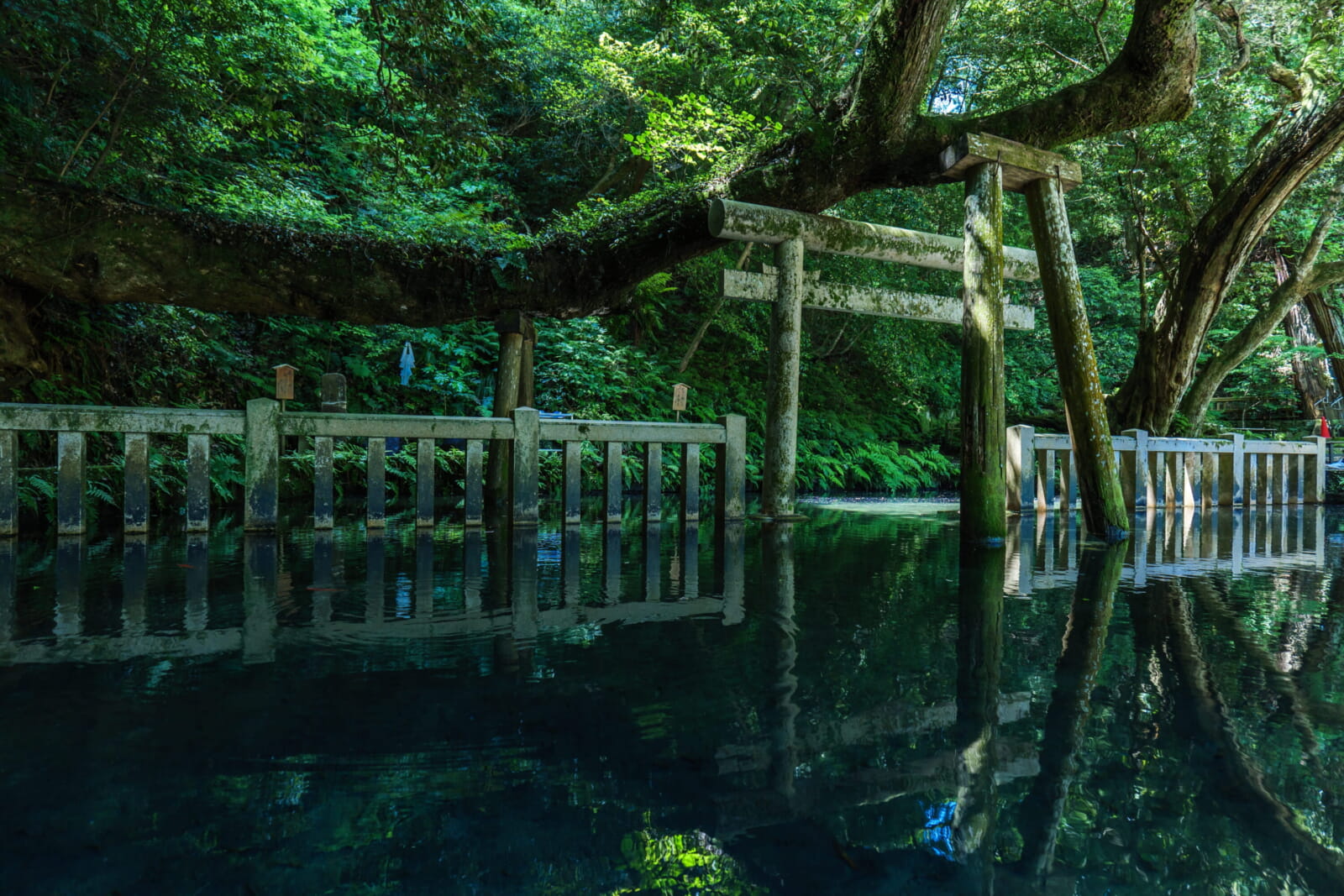
The shrine grounds span some 70 hectares of forested land containing over 600 plant species. A 300-meter cedar-lined inner approach leads from the main hall deeper into the forest, past a deer enclosure — the deer here, like those in Nara, are considered sacred messengers of the gods. The crystal-clear Mitarashi Pond, fed by underground spring water, was historically used for ritual purification. Near the rear hall, visitors can find the Kaname-ishi, a legendary stone said to pin down the giant catfish that causes earthquakes. The shrine’s treasure house holds a 2.7-meter straight sword designated as a National Treasure. Roughly 2.5 kilometers west, the Nishi no Ichino Torii — an 18.5-meter torii gate rising from the waters of Lake Kitaura — marks the ancient approach route once used by worshippers arriving by boat, and is Japan’s largest shrine gate standing in water.
Best Times To Visit Kashima Shrine
Kashima Shrine is open and rewarding year-round, with the forested grounds offering a serene atmosphere in every season. The biggest event is the New Year festival, when over 600,000 visitors from across Japan come to pray in the first three days of January — arriving early is strongly advised. The annual grand festival, Shinkosai, is held on September 1–2. The shrine also hosts more than 80 events throughout the year, including the Oumei-sai festival in spring, which features a sacred white horse parading through the grounds, and the winter Daikan-misogi purification ritual, where participants enter icy water to pray for good fortune in the coming year.