

Nabana no Sato Overview
Nestled on an island in the Nagara River in Kuwana city, Mie Prefecture, Nabana no Sato is a sprawling botanical garden and leisure complex that draws visitors year-round with its seasonal flower displays and world-class illumination event. Part of the wider Nagashima Resort complex, the garden covers approximately 30 hectares and is operated by Nagashima Resort.
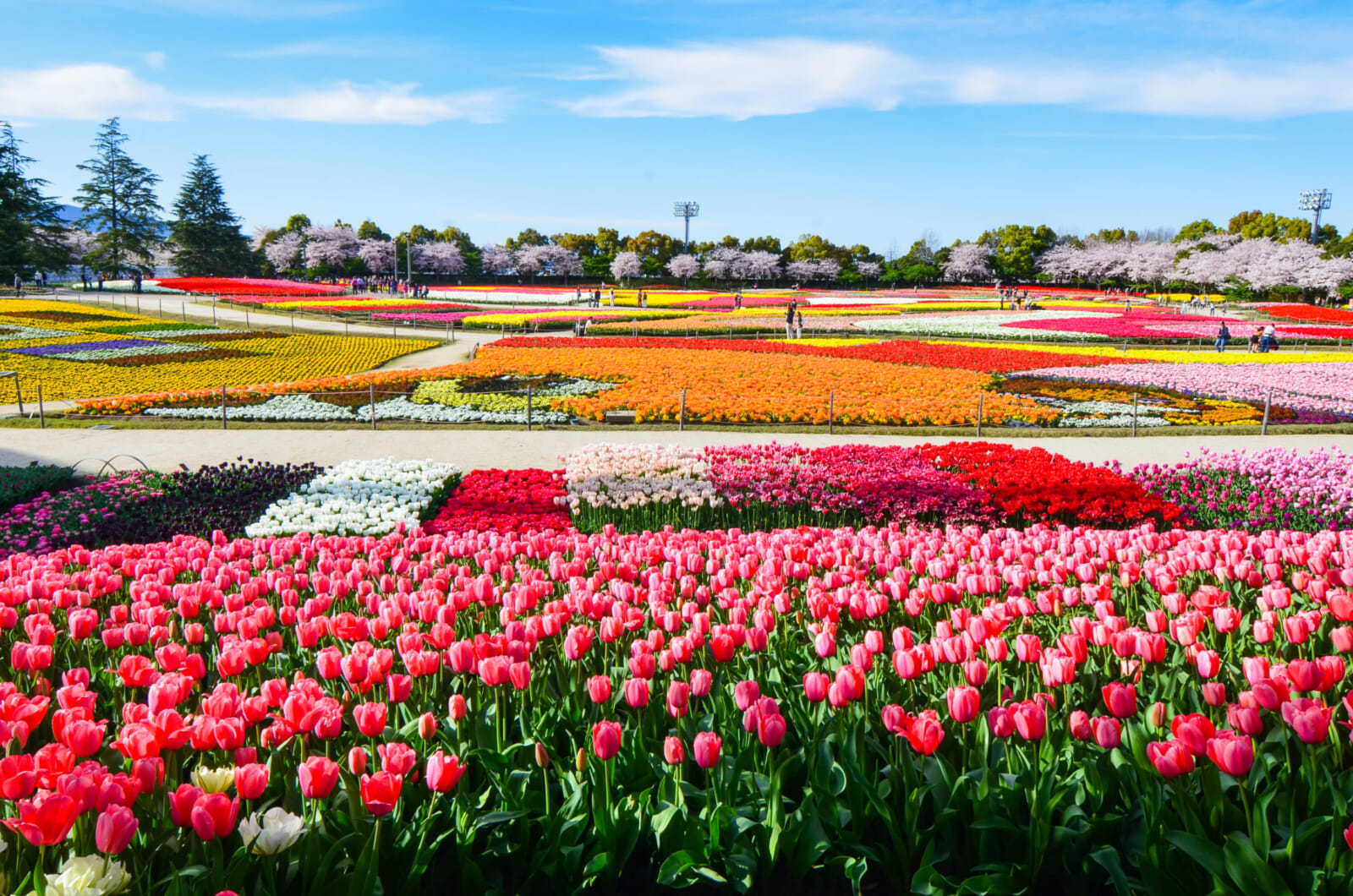
Throughout the year, Nabana no Sato dazzles with rotating floral attractions — cherry blossoms and tulips in spring, dahlias and begonias in summer and chrysanthemums in autumn. The garden’s greenhouse, one of the largest in Japan, houses tropical plants and flowers from around the world. However, it is the winter illumination that has cemented Nabana no Sato’s reputation as one of Japan’s premier seasonal destinations.
Running roughly from mid-October through May, the illumination transforms the garden into an immersive landscape of light. The centerpiece is a tunnel of LED lights stretching approximately 200 meters, through which visitors walk in complete sensory immersion. Each year, the illumination adopts a new theme — past themes have drawn inspiration from nature, Japanese landscapes and world heritage sites — ensuring that return visitors always encounter something new. The display uses millions of LED lights and is consistently ranked among the top illumination events in Japan by domestic travel publications.
Best Times To Visit Nabana no Sato
The winter illumination season, running from around mid-October through May, is the most popular time to visit and the primary draw for most visitors. Within this period, December and January offer the most immersive experience, as the long winter nights allow for extended hours of illumination viewing. Weekday evenings are significantly quieter than weekends, and arriving in the early evening allows visitors to enjoy both the daylight garden and the full illumination as darkness falls.
Outside of illumination season, late March to early May is an excellent time to visit for spring flowers, particularly the garden’s famous tulip displays. Summer brings vibrant begonia and dahlia blooms, while autumn is celebrated for chrysanthemum displays. The garden is beautiful year-round, though the illumination season represents the undisputed highlight.