

Ise Jingu Naiku Overview
Nestled in the forested hills of Ise city in Mie Prefecture, Naiku — the inner shrine of Ise Jingu — is considered the most sacred site in all of Japan. Formally known as Kotai Jingu, it enshrines Amaterasu-Omikami, the Shinto goddess of the sun and the divine ancestor of the Imperial family.
The shrine’s origins stretch back over 2,000 years, though the current structures are far from ancient. Every 20 years, the shrine buildings are completely dismantled and rebuilt on adjacent plots of land in a ceremony called Shikinen Sengu. This remarkable ritual, practiced continuously since 690 CE, represents the Shinto concept of renewal and impermanence. The most recent reconstruction took place in 2013, with the next scheduled for 2033.
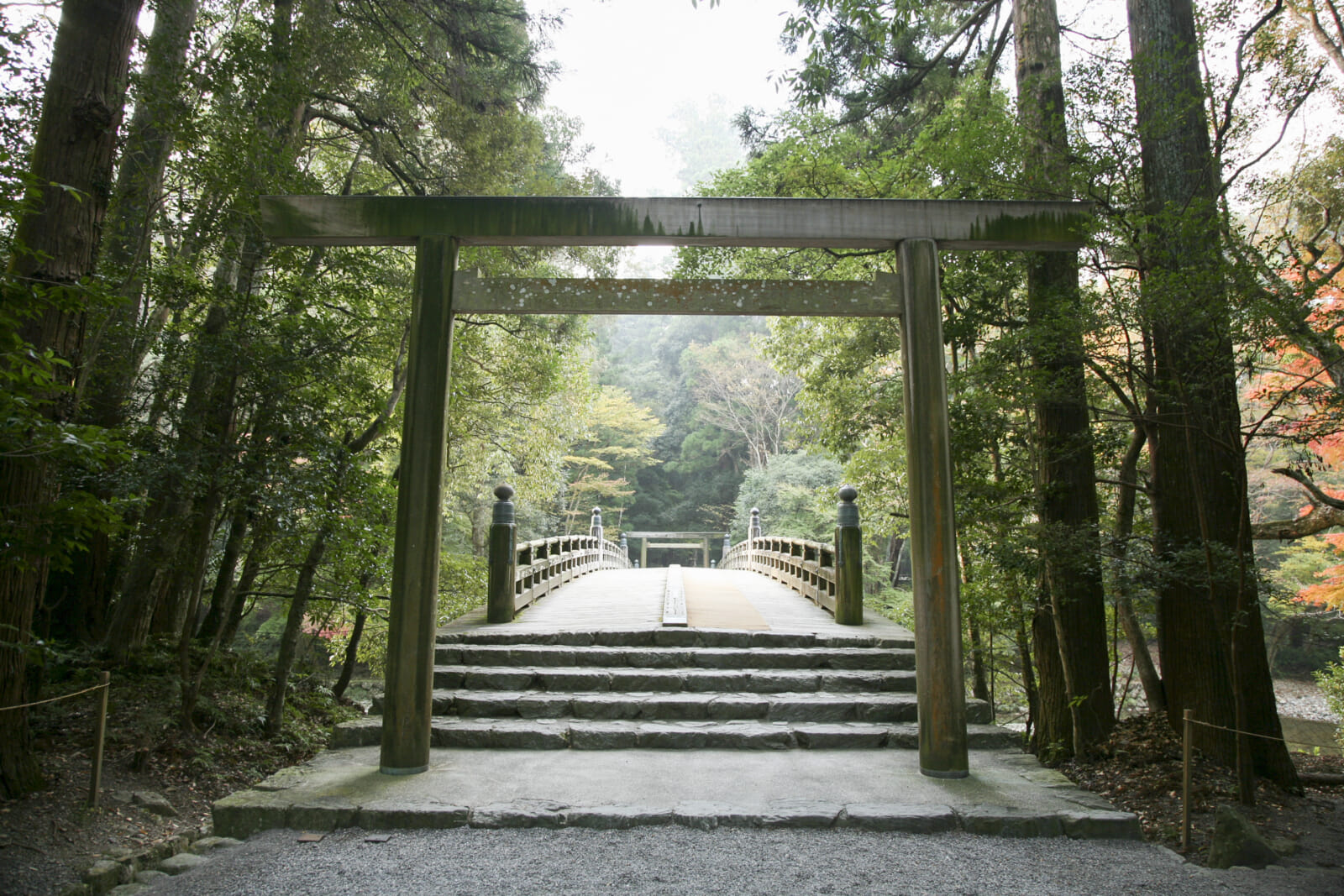
Visitors approach Naiku through the iconic Uji Bridge, a cypress-wood structure spanning the Isuzu River. Beyond the bridge lies a forested path leading to the inner sanctuary, where only members of the Imperial family and senior priests may enter the innermost precinct. Despite this, the atmosphere of quiet reverence and natural beauty makes the journey deeply moving for all visitors.
Best Times To Visit Ise Jingu Naiku
Spring (March–May) and autumn (October–November) offer the most comfortable temperatures and beautiful scenery, with cherry blossoms in spring and vivid foliage in fall framing the ancient cedar forests. Summer can be hot and humid, though the lush greenery is striking. Winter visits are quieter and more contemplative.
The New Year period (January 1–3) draws enormous crowds, as Ise Jingu is one of Japan’s most popular hatsumode (first shrine visit of the year) destinations, welcoming several million visitors in the first days alone. If you’re planning a visit during this time, arrive early and expect long queues. Weekday visits outside of major holidays and the New Year period offer a significantly more peaceful experience.