

Motsu-ji Temple Overview
Nestled in the historic town of Hiraizumi in Iwate Prefecture, Motsu-ji Temple stands as one of Japan’s most significant cultural treasures. Established in 850 by the priest Ennin, the temple reached its zenith during the 12th century under the patronage of the Northern Fujiwara clan. Today, it’s recognized as part of the UNESCO World Heritage site “Historic Monuments and Sites of Hiraizumi – Temples, Gardens and Archaeological Sites Representing the Buddhist Pure Land.”
The temple’s crown jewel is its meticulously preserved Jodo (Pure Land) garden, one of the finest examples of paradise garden design from the Heian period. The garden centers around the large Oizumi-ga-ike pond, which reflects the surrounding landscape and embodies the Buddhist concept of paradise on Earth. Unlike many Japanese gardens that evolved over centuries, Motsu-ji’s garden maintains its original 12th-century layout, offering visitors an authentic glimpse into aristocratic aesthetic sensibilities of medieval Japan.
While the original temple buildings were destroyed by fire in the 13th and 14th centuries, the garden’s foundations, stone arrangements and water features remain remarkably intact. The temple grounds also feature archaeological remains that reveal the grandeur of the original complex, which once boasted 40 temple buildings and 500 monks’ quarters.
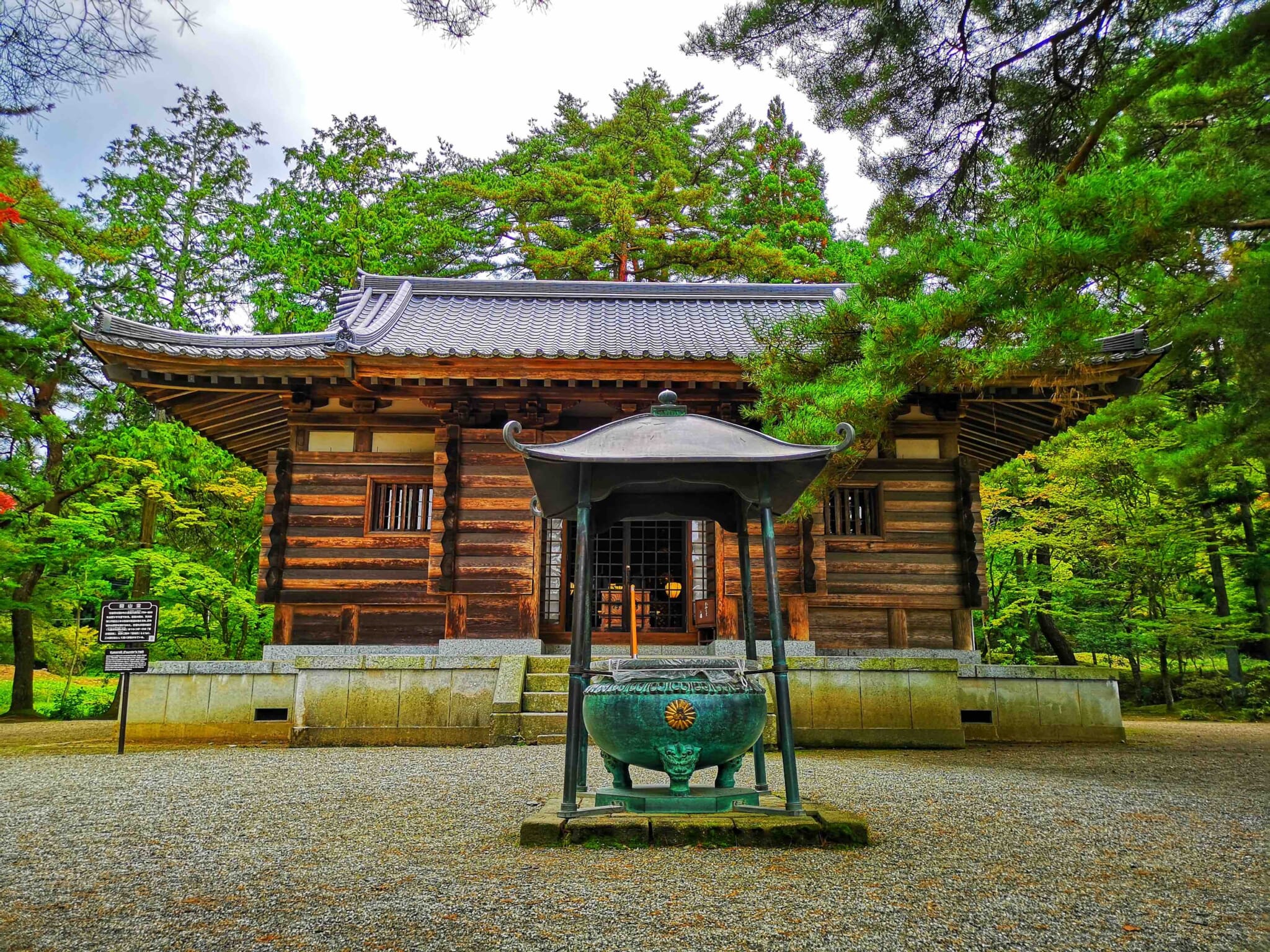
Best Times To Visit Motsu-ji Temple
Motsu-ji Temple offers distinct seasonal beauty throughout the year. Spring (late April to early May) brings cherry blossoms that frame the pond beautifully, while irises bloom spectacularly around the garden in late June and early July. The annual Iris Festival during this period is particularly popular. Autumn (late October to early November) transforms the grounds with vibrant fall foliage reflected in the pond’s still waters. Winter visits offer serene, snow-covered landscapes, though some visitors may find the cold challenging. The temple hosts the Ennen no Mai dance performance in May and November, adding cultural depth to these visits.