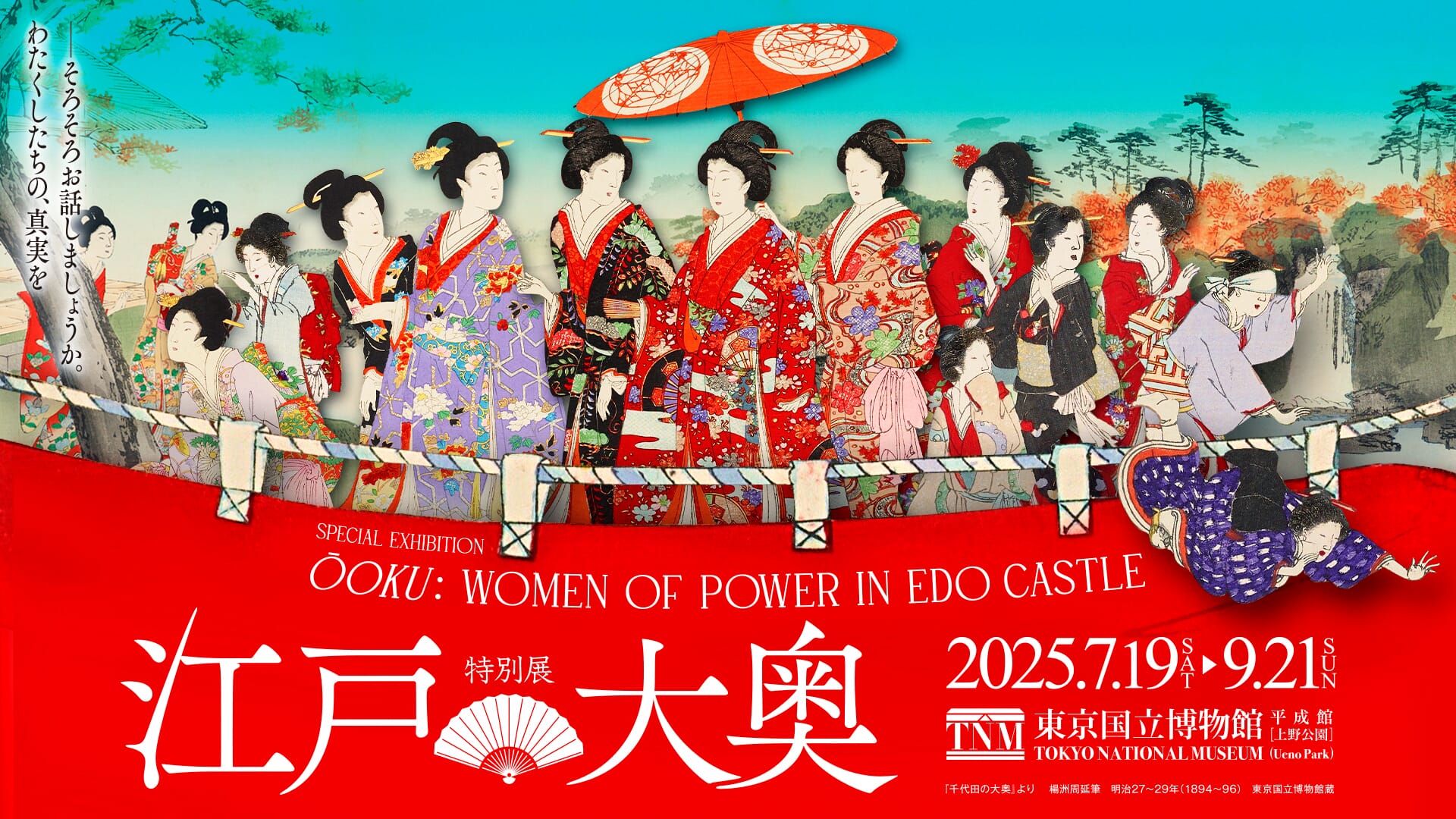
Learn About the Women of Edo
“Ooku: Women of Power in Edo Castle” is a new special exhibition at the Tokyo National Museum running from July 19 to September 21 organized in cooperation with the Tokugawa Memorial Foundation.
The ooku refers to the living quarters of the wives and ladies-in-waiting of the Tokugawa shogunate during the Edo period (1603–1868). As part of the shogun’s private quarters, the world of the ooku was hidden from outsiders. Its secrecy sparking public curiosity and inspiring dramas, Kabuki plays and ukiyo-e artworks. Even today, interest in the ooku remains high with countless movies, TV shows, manga and novels — including Fumi Yoshinaga’s popular manga Ooku and NHK’s 2023 television drama adaptation of the same name.
The exhibit aims to uncover the true stories of the ooku, told through over 180 artifacts ranging from historical documents and architectural drawings to personal belongings from the women of Edo Castle. Through these artifacts, the exhibition connects guests to the Empress Dowagers, concubines and maids of the shogunate to get a deeper understanding of their stories, joys and sorrows.
About the Exhibition
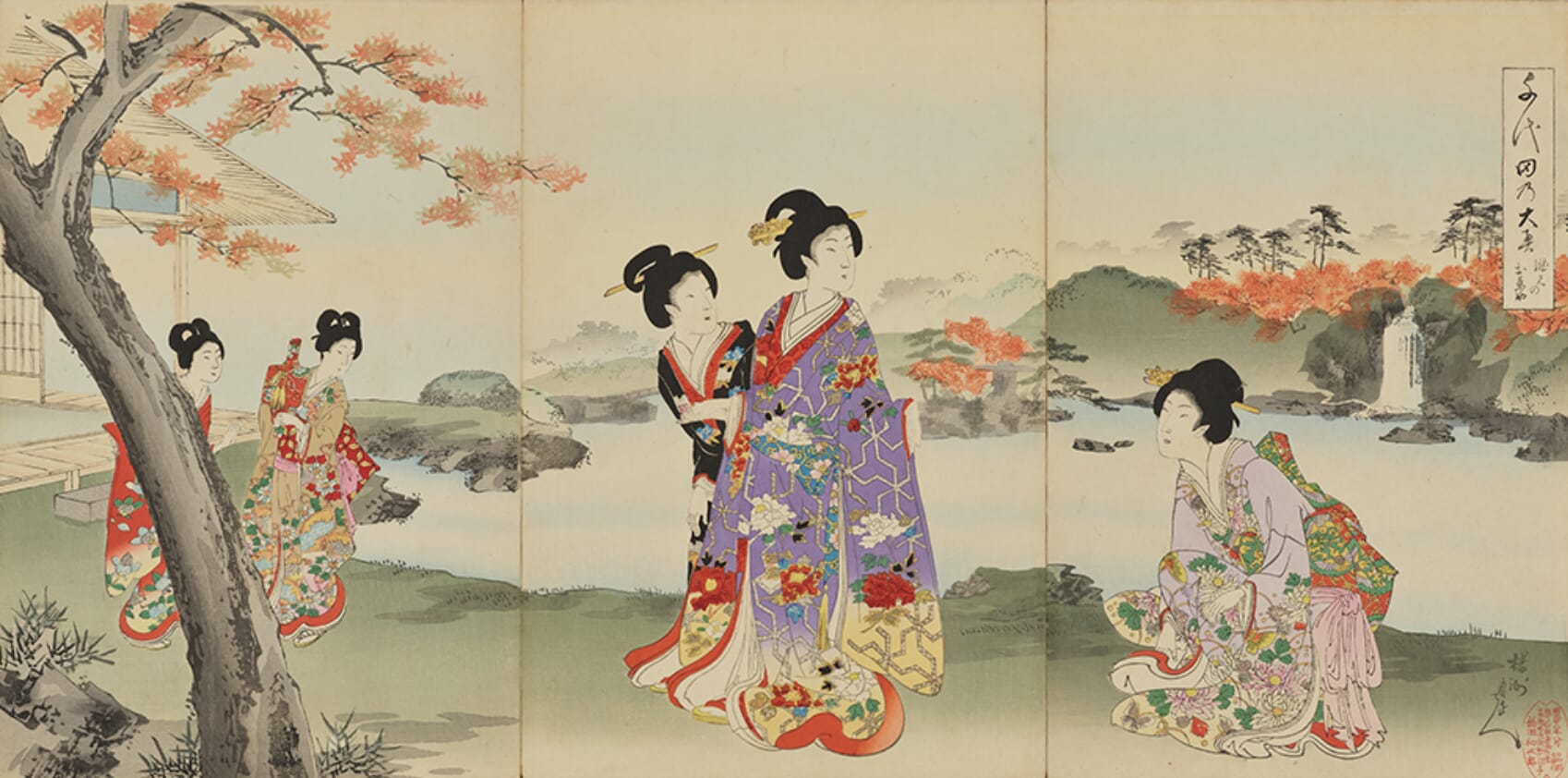
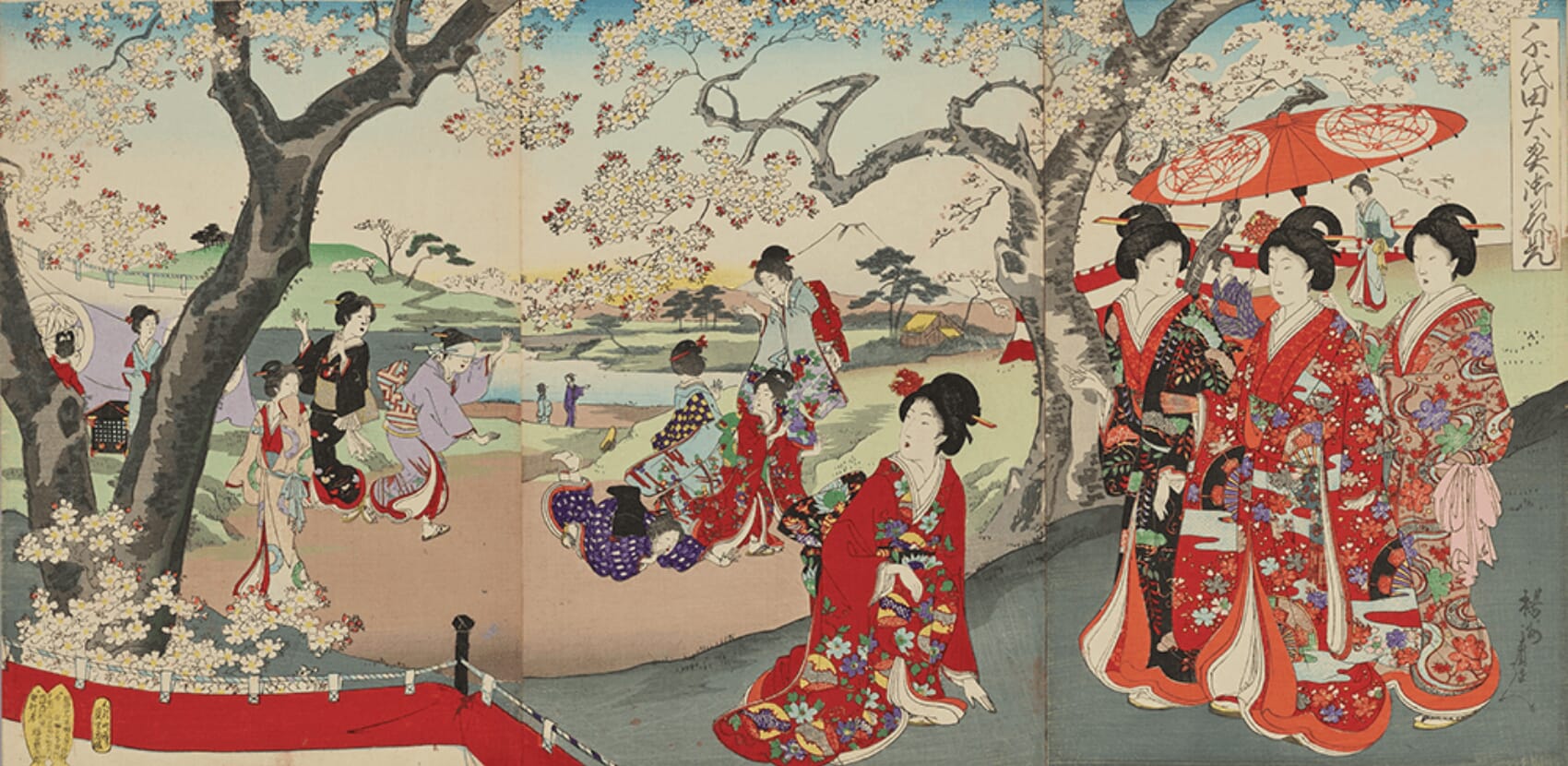
The exhibit is broken down into four chapters. Highlights from the exhibit include kabuki costumes, original kimono from samurai women and Yoshu Chikanobu woodblock prints.
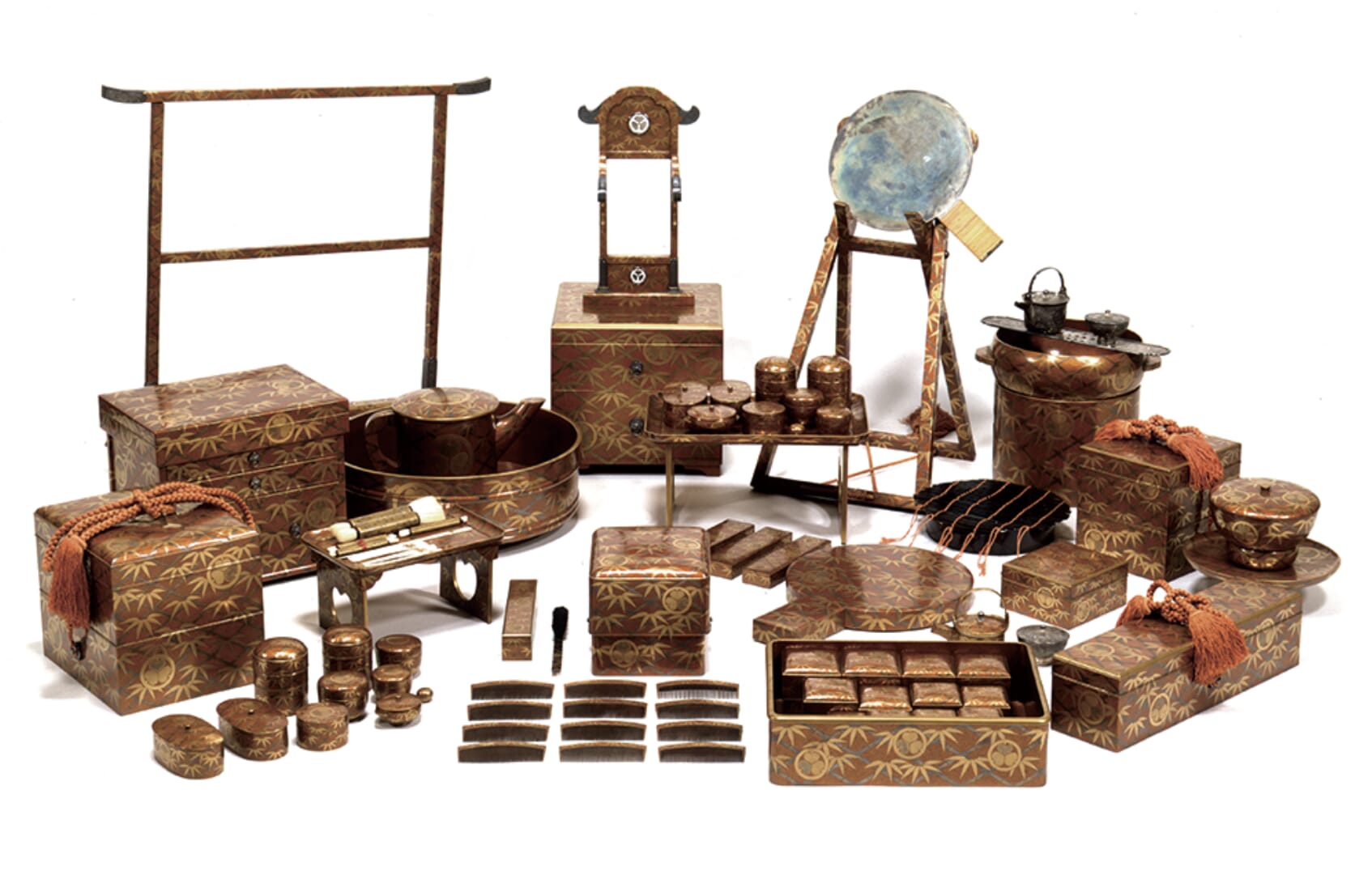
Chapter one covers the imagined and idealized impression of the ooku by the common people of Edo. Chapter two explores the reign of the third shogun, Tokugawa Iemitsu, that the hierarchy of the Empress, concubines, and the maids who served them. Chapter three extends into the wives and concubines tasked with giving birth and raising the next heir. And finally, chapter four looks into wedding ceremonies, seasonal costumes, musical instruments, room furnishings and toys of the era.
Special Activities
An original paper fan will be given exclusively to visitors of the exhibition. There are two ways to receive a fan. The first 200 guests who visit the exhibit after 17:00 on any Friday or Saturday between July 20 and August 10 will receive a fan on a first-come, first-served basis. Additionally, the first 200 people to come to the exhibit wearing yukata or kimono between July 19 and September 21, can also receive a fan.
Stickers and bookmarks with discount coupons will be distributed around the Ueno and Ginza area. Each location has a different design and distribution will continue until supplies last.
- Atre Ueno: sticker of red silk flower kimono
- Ueno Marui: sticker of white haori with a dragon design
- Ecute Ueno: sticker of white silk chrysanthemum kimono
- Matsuzakaya Ueno: light green haori with an arrow design
- Sanseido Bookstore inside Atre Ueno: bookmark of woman in red and white kimono from “The Great Interior of Chiyoda” by Yoshu Chikanobu
- Ginza Tsutaya Bookstore: bookmark of woman in blue kimono from “The Great Interior of Chiyoda” by Yoshu Chikanobu
- Book Compass inside Ecute Ueno: bookmark of woman in purple kimono from “The Great Interior of Chiyoda” by Yoshu Chikanobu
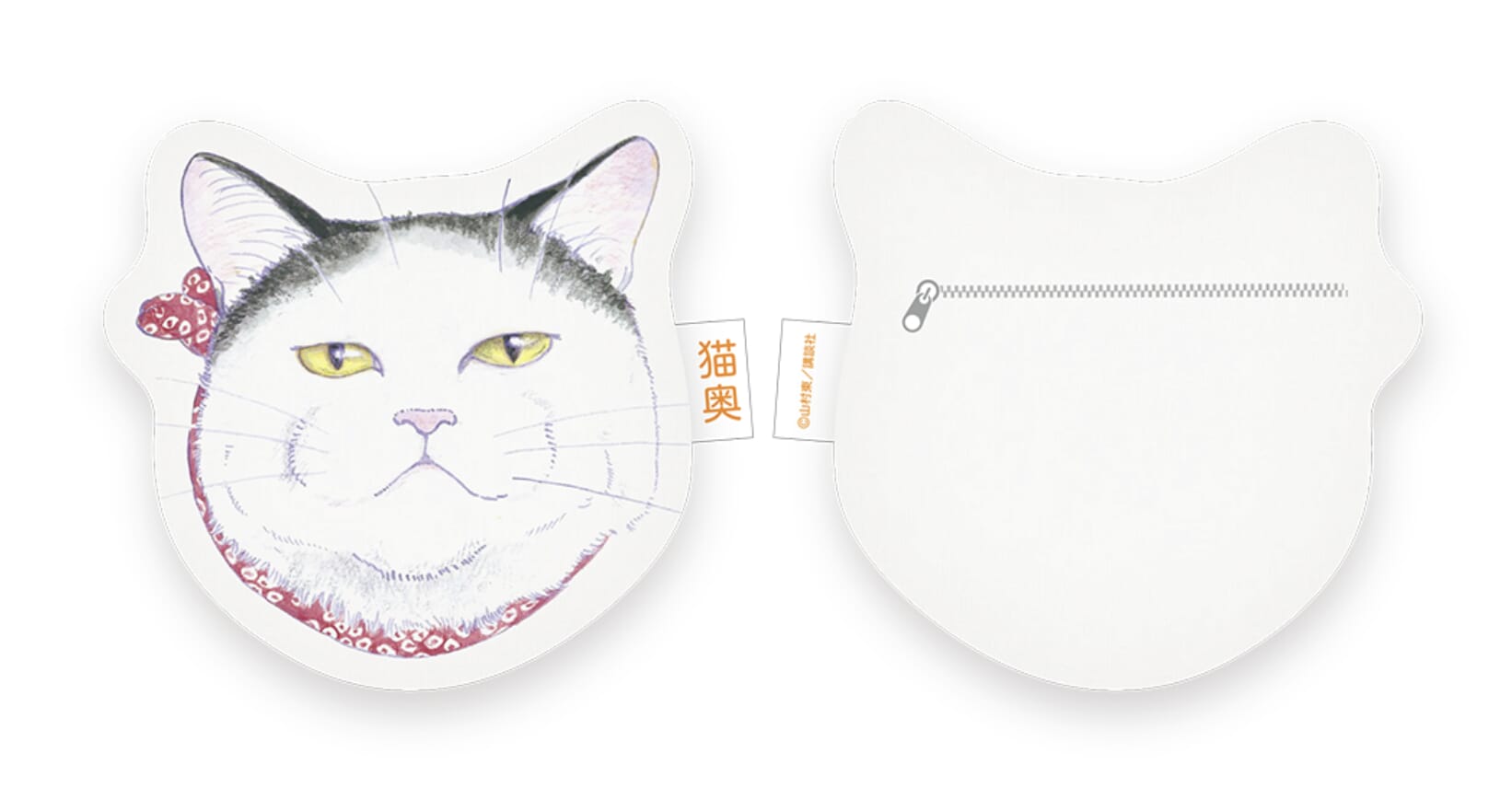
The manga Nekooku by Haru Yamamura will also be featured in the exhibition room. The first 1,000 visitors will receive an original manga starting on August 19. Additionally, a coupon is included in the latest paperback (volume 11) of Nekooku. Readers can get ¥100 off a same-day exhibit ticket.
The exhibition will display several costumes used in the NHK drama series Ooku and will display a partial reproduction of the filming set.
Merchandise
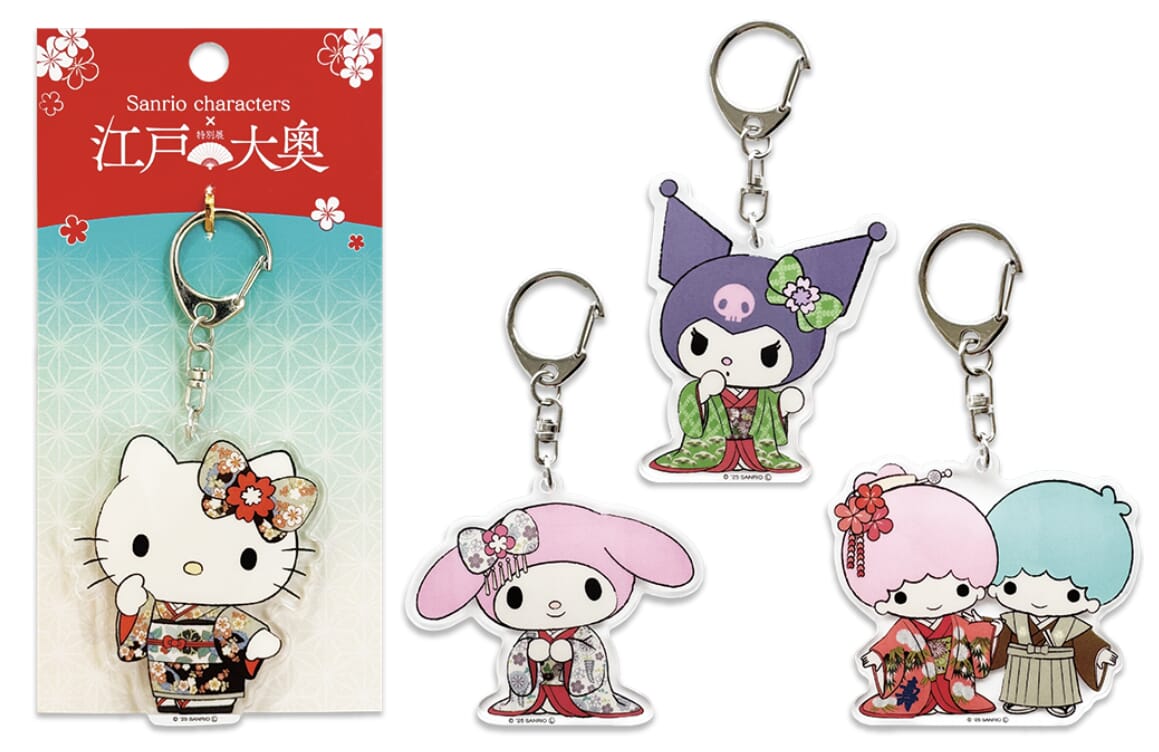
The exhibit has a wide variety of merchandise and souvenirs. Three exclusive collaboration collections will be available with Sanrio, Nekooku and Kyoko Nakamura.
The Sanrio collaboration features characters Hello Kitty, My Melody, Kuromi, and Little Twin Stars wearing Edo-era kimono. Goods include plush toys, mugs, acrylic stands, t-shirts and lunch tote bags. Nekooku original goods feature the main character, Yoshino-chan the cat. Merchandise designed by illustrator Kyoko Nakamura feature colorful artwork that combine both modern and retro style.
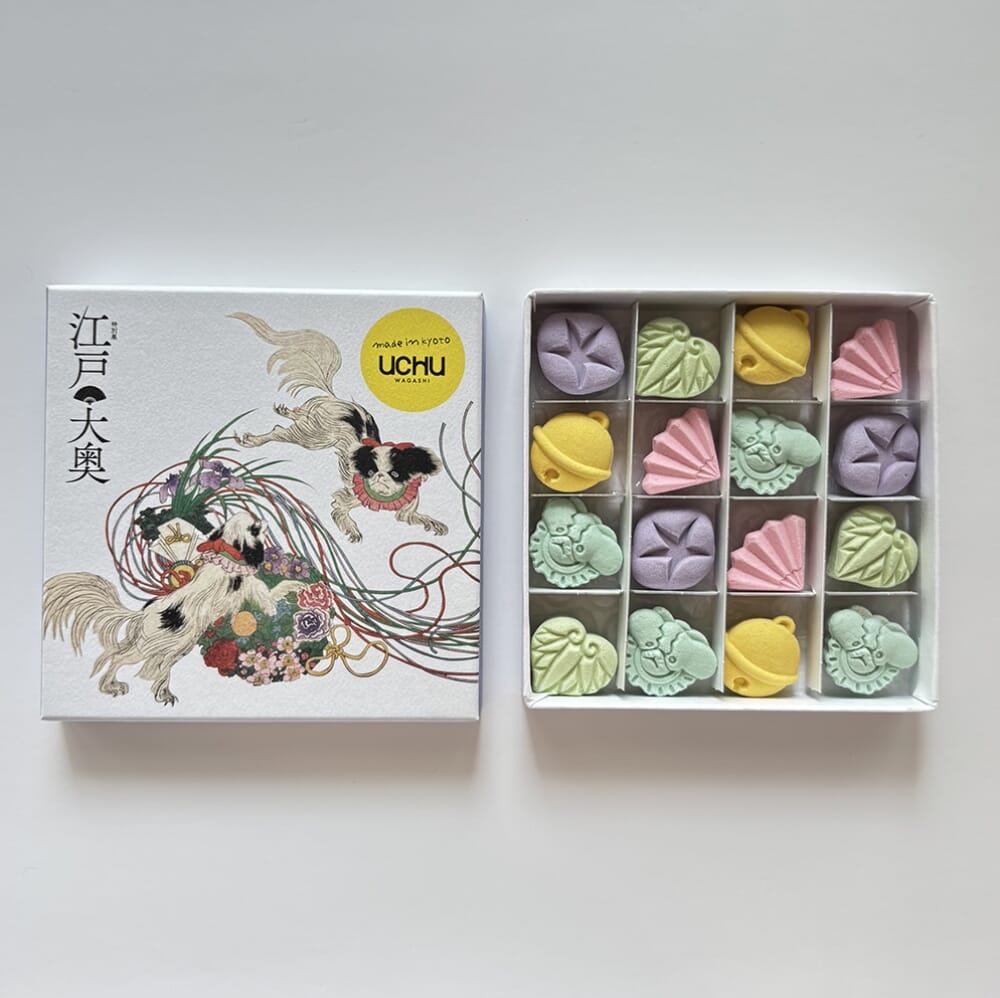
Other museum souvenirs include brooches, earrings, compact mirrors, cookie tins, rakugan confectioneries, tea, tabi socks and haori.





-25J469_高解像画像なし(20260604入庫)-1-1024x742-1-385x257.jpg)