

Ancient Forests at the Edge of Japan
Yakushima is a mountainous island off the southern tip of Kagoshima Prefecture in Kyushu, roughly 60 kilometers south of the mainland. In 1993, it became one of Japan’s first UNESCO World Heritage Sites, recognized for its extraordinary biodiversity and ancient cedar forests. The island spans about 500 square kilometers, and much of its interior is protected wilderness.
The forests of Yakushima feel genuinely ancient. The island’s high rainfall — some areas in the highest elevations receive up to 10,000 millimeters per year — has created a lush, moss-covered landscape that draws comparison to Studio Ghibli’s Princess Mononoke, which drew visual inspiration from the island. The star attraction is Jomon Sugi, a massive Japanese cedar (yakusugi) estimated to be anywhere from 2,170 to 7,200 years old, making it the oldest known living tree in Japan.
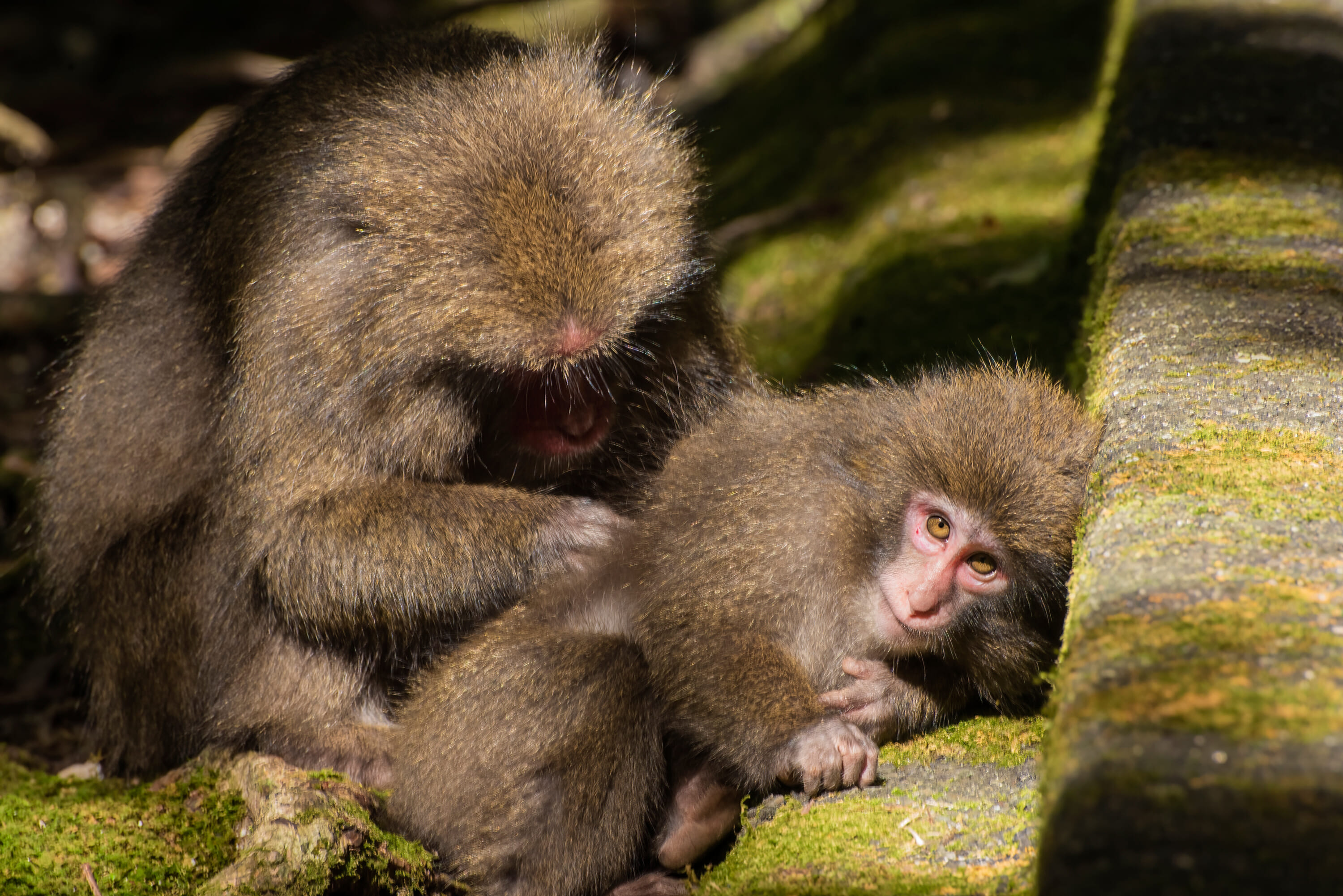
Beyond Jomon Sugi, the island is home to Yakushima macaques (yakuzaru) and yakushika (Yakushima deer), both subspecies found only here. The island’s peaks, including Miyanoura-dake at 1,936 meters, are popular with serious hikers.
Best Times To Visit Yakushima Island
Spring (March to May) and autumn (October to November) offer the most comfortable hiking conditions, with mild temperatures and lower rainfall. Summer brings warmer weather but also the island’s heaviest rains — expect dramatic waterfalls and vivid green moss, but also slippery trails.
Sea turtle watching season runs from May through August, when loggerhead turtles nest on Inakahama Beach — one of the most significant nesting sites in east Asia.
Crowds peak during Golden Week (late April to early May) and summer school holidays. For a quieter experience, late October and November are ideal.