

Tottori Castle Ruins Overview
Perched on Mount Kyusho on the northern edge of Tottori city, the Tottori Castle Ruins — also known as Kyusho-jo — stand as a powerful reminder of Japan’s feudal past. Originally constructed by the Yamana clan between 1532 and 1555, the castle was built as a yamashiro, a mountain castle designed to use the land’s natural steep terrain as its primary defense. It proved so formidable that even the renowned warlord Oda Nobunaga reportedly praised its defensive strength.
The site is perhaps best known historically for the 1581 Siege of Tottori, in which Toyotomi Hideyoshi blockaded the castle for roughly 200 days, cutting off all food supplies and forcing the defenders to surrender. This dark chapter in the castle’s history remains one of the most infamous sieges in Japanese history.
Following the Meiji Restoration, the castle fell into disrepair. Today, the stone walls, a restored gate and the base of the main keep are all that remain — but they’re more than enough to make the visit worthwhile. Since 2006, Tottori city has been steadily restoring the site to its Edo-period appearance. The ruins are now part of Kyusho Park, which is also home to the Tottori Prefectural Museum and the elegant Jinpukaku mansion, a Western-style building constructed in 1907. Note that Jinpukaku is currently closed for renovations and is expected to reopen in 2028 or early 2029.
Best Times To Visit Tottori Castle Ruins
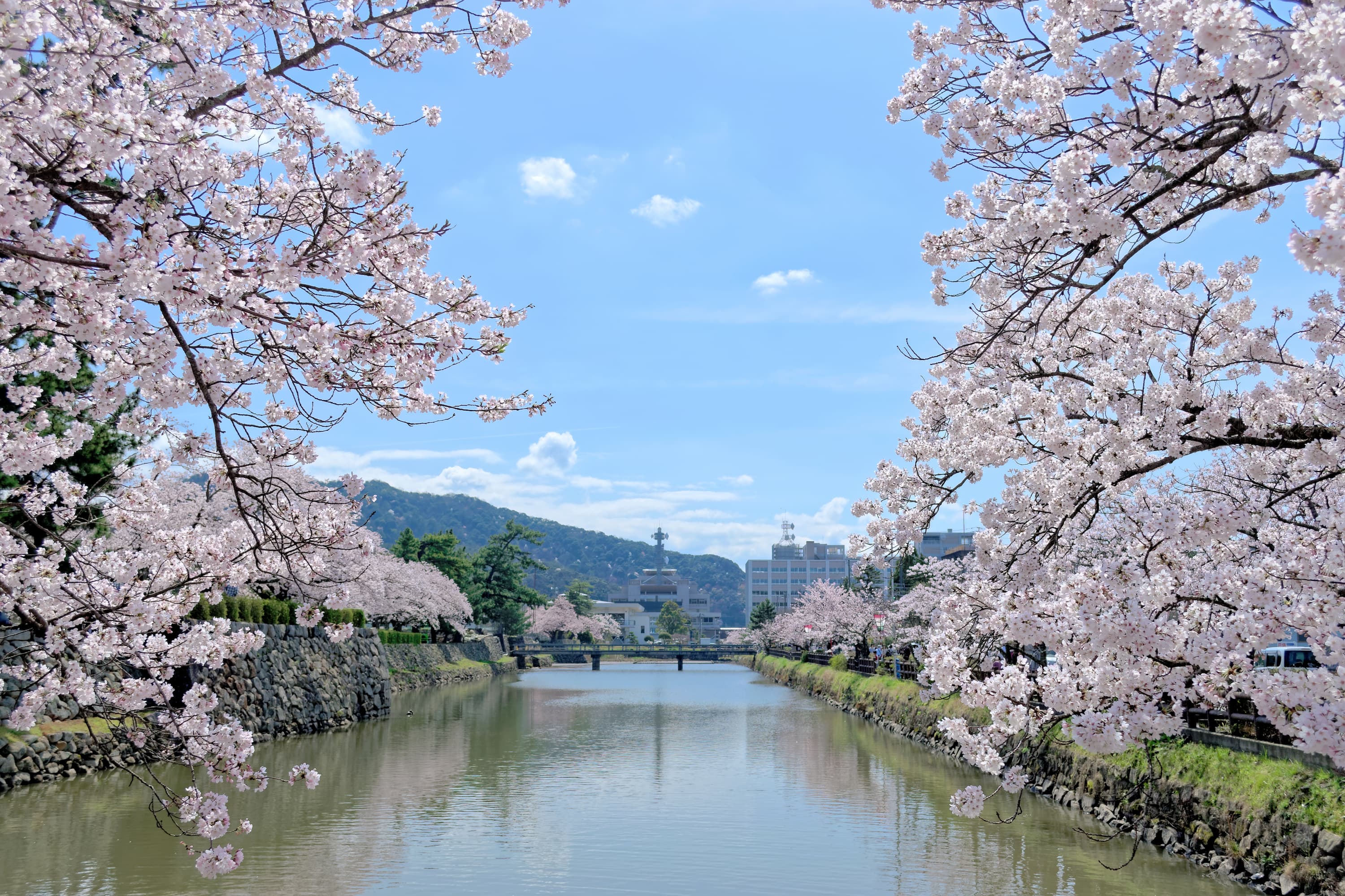
The ruins are worth visiting year-round, but spring is the most spectacular season. Over 400 cherry trees — including Yoshino and Sato varieties — line the stone walls and moat, making Kyusho Park one of Tottori’s most beloved hanami spots. Peak bloom typically falls in early to mid April.
The castle walls are also illuminated throughout the year, making an evening visit a memorable experience. For those who prefer avoiding crowds, weekday visits outside of cherry blossom season offer a more peaceful atmosphere.