
Iwami Ginzan Silver Mine Overview
Nestled in the mountains of Oda City in Shimane Prefecture, Iwami Ginzan Silver Mine is Japan’s most historically significant silver mine and one of its most remarkable UNESCO World Heritage Sites. Discovered around 1526 by merchant Kamiya Jutei, the mine operated for nearly 400 years before closing in 1923, reshaping the economy of Japan and influencing global trade along the way.
At its peak in the early 17th century, Iwami Ginzan produced roughly 38 tons of silver per year, accounting for approximately a third of the world’s total silver output. The high-purity silver, traded internationally under the name “Soma Silver,” was coveted by merchants from China, Portugal and the Netherlands, cementing Japan’s role in the global economy during the age of exploration.
What makes the site particularly special is the sustainability with which it was developed. Unlike many mining operations, Iwami Ginzan caused minimal deforestation, and the surrounding forests and landscapes remain largely intact — one of the key reasons it was designated a UNESCO World Heritage Site in 2007.
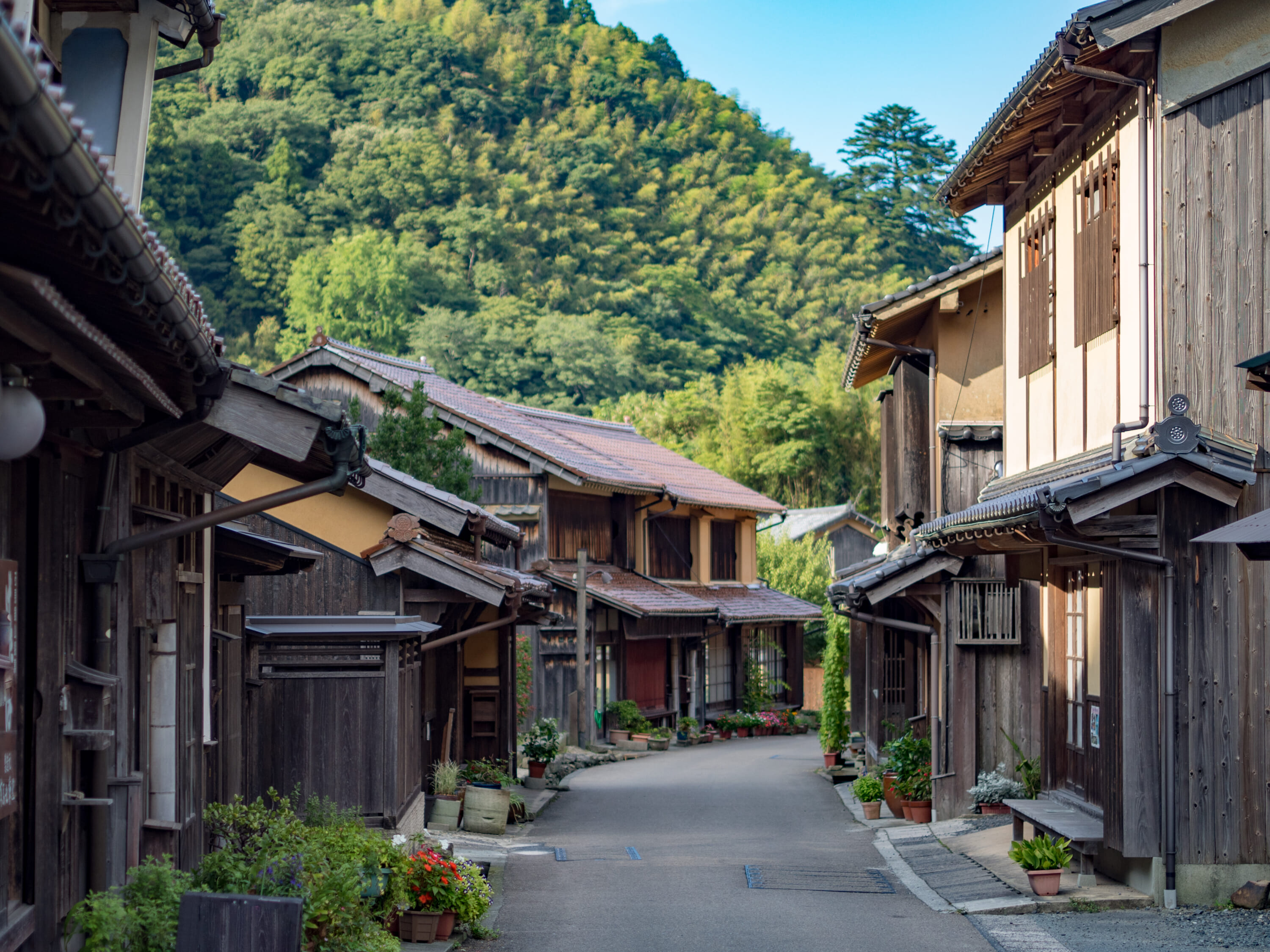
Today, visitors can explore the Omori district, a well-preserved Edo-period town lined with samurai residences, historic merchant homes, cafes and museums. The main draw in the Ginzan mining area is the Ryugenji Mabu mine shaft, a 273-meter tunnel and the only shaft open to the public. The Iwami Ginzan World Heritage Center and the Iwami Ginzan Silver Mine Museum (the former magistrate’s office) offer rich context on the mine’s history and daily life during its heyday.
Best Times To Visit Iwami Ginzan Silver Mine
Spring (April–May) and autumn (October–November) are the best times to visit Iwami Ginzan. Cherry blossoms frame the historic streets of Omori in spring, while autumn brings vibrant foliage to the forested mountain trails leading to the mine shafts. Summer is pleasant but can be humid. Winter brings heavy snowfall to Shimane Prefecture and significantly reduces accessibility, so it is best avoided unless you are an experienced traveler prepared for the conditions.
One highlight worth planning around is the Owara Kaze no Bon festival, held in nearby Yatsuo in early September, which adds a cultural dimension to any trip to the region.