
Overview of Itsukushima Shrine
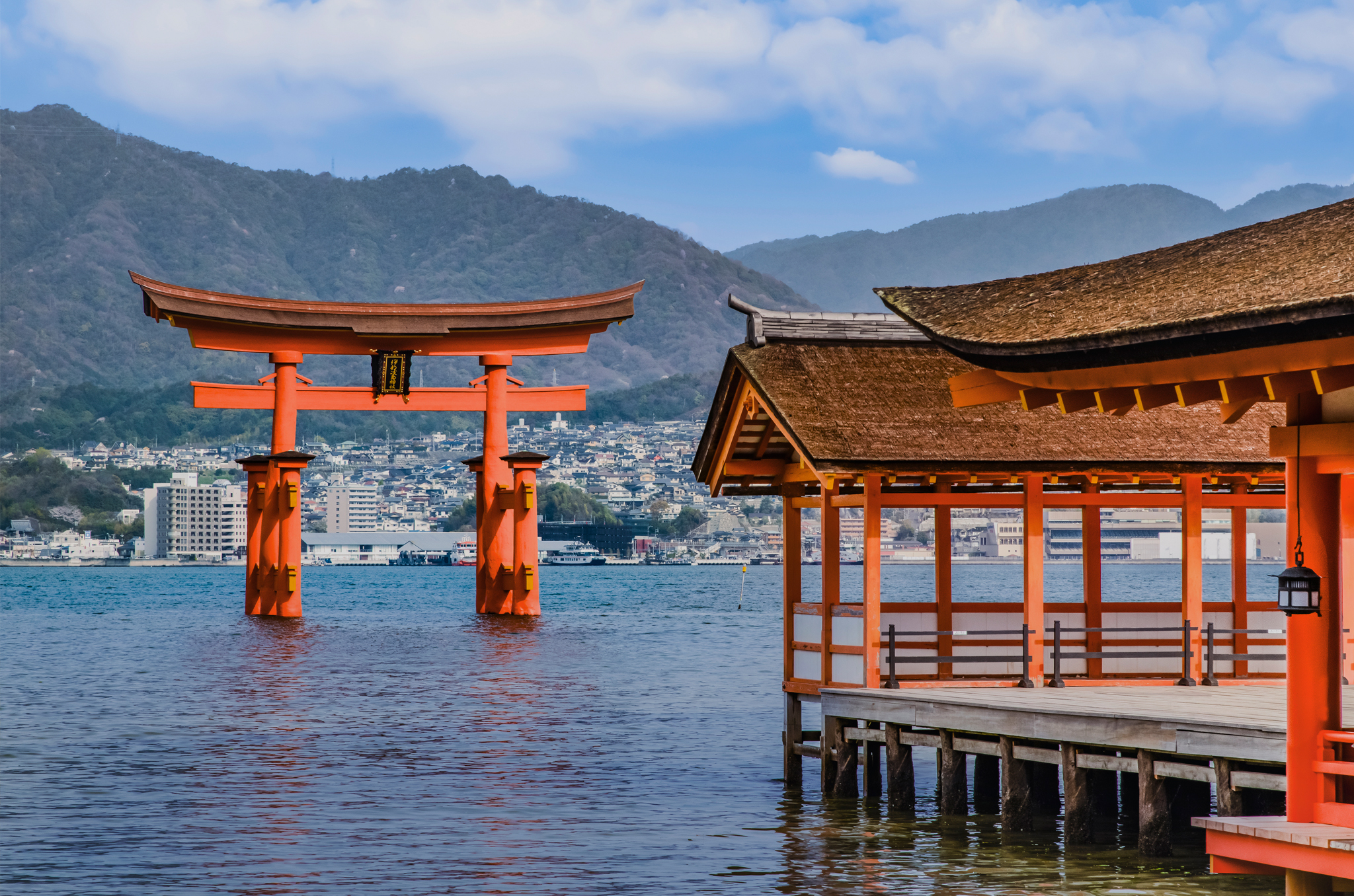
Itsukushima Shrine (Itsukushima Jinja) sits on Miyajima Island in Hiroshima Prefecture, its brilliant vermilion buildings and boardwalks stretching out over the waters of the Seto Inland Sea. Though the island’s official name is Itsukushima, most people know it as Miyajima — “shrine island” in Japanese — a name that reflects just how central the shrine is to its identity.
The site’s sacred history stretches back to the 6th century, when Mount Misen, the island’s highest peak, was already revered as a holy place. The shrine itself was established in its current form in 1168 by Taira no Kiyomori, the most powerful figure of his era. Most of the shrine’s main buildings have since been designated as national treasures or Important Cultural Properties, and the complex was listed as a UNESCO World Heritage Site in 1996.
The shrine is most famous for its otorii (great torii gate), which appears to float above the sea at high tide. Standing approximately 16.6 meters tall and weighing 60 tons, the gate is constructed from naturally water-resistant camphor wood — held in place not by nails or bolts, but by its own sheer weight and a foundation of wooden piles driven into the seabed. At low tide, visitors can walk across the exposed sand to its base for a closer look.
Beyond the torii, the shrine complex includes a prayer hall, main hall and a noh theater stage, all connected by covered corridors that stretch roughly 275 meters over the water. Free-roaming deer wander the island and are considered sacred messengers.
Best Times To Visit Itsukushima Shrine
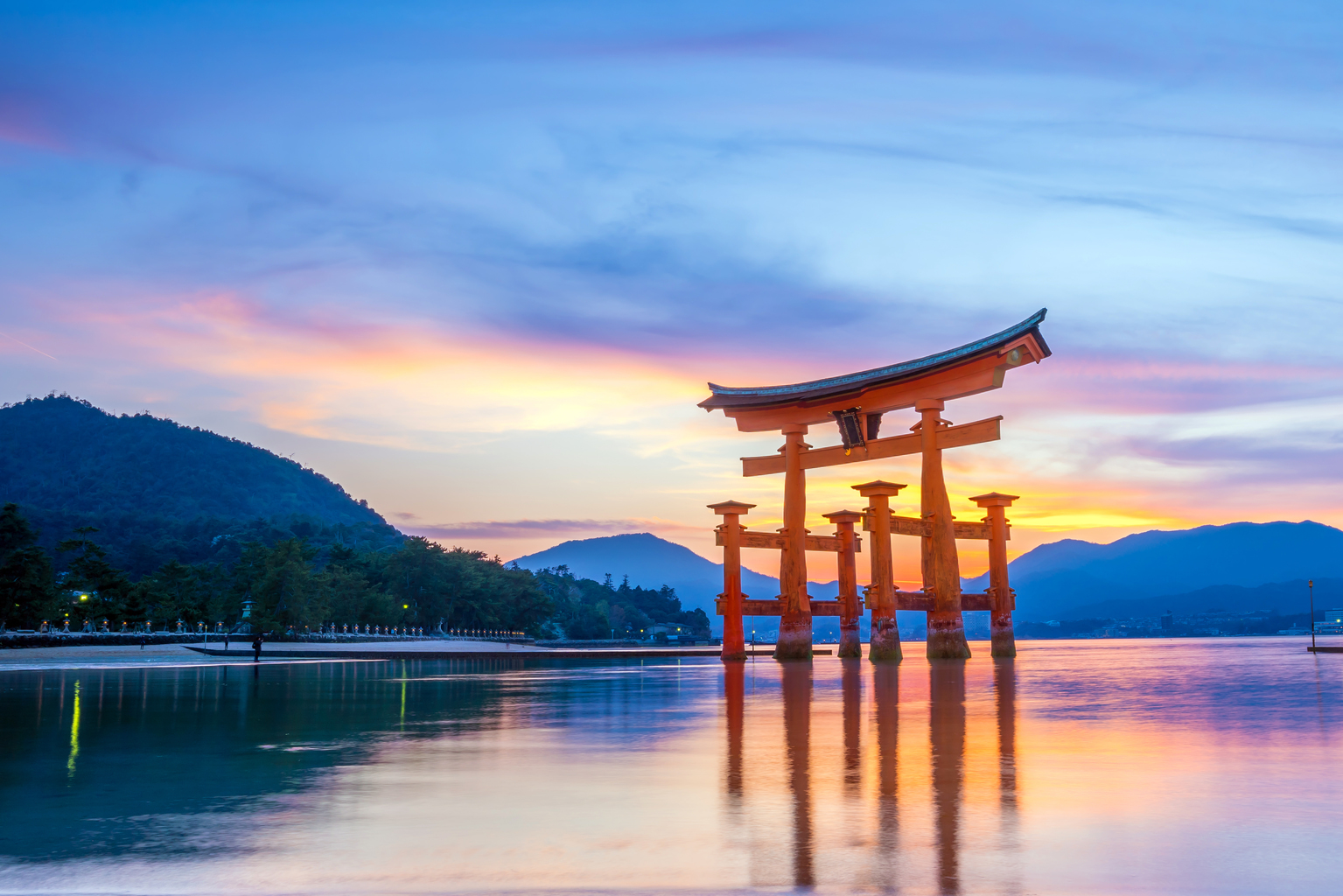
Itsukushima Shrine is open year-round and rewards visitors in every season. That said, the single most important factor when planning a visit is the tides. At high tide, the shrine and torii gate appear to float on the sea — the view the shrine is famous for. At low tide, visitors can walk out across the exposed seabed directly to the base of the torii. Checking the Miyajima Tourism Association’s tide table before your trip is strongly recommended. Arriving just after the shrine opens at 6:30 is a reliable way to beat the crowds. Most of the shops on the island begin to close at sunset, and the crowds thin out during this time as well. At night, the floating torii gate is illuminated by a spotlight, allowing visitors to enjoy it even once the sun has set.