

Ashikaga Flower Park Overview
Located in Ashikaga city, Tochigi Prefecture, roughly 90 minutes from central Tokyo, Ashikaga Flower Park is one of Japan’s most celebrated botanical attractions. Spanning approximately 94,000 square meters, the park first opened to the public in 1968 and is organized around eight distinct seasonal chapters, offering something in bloom throughout the year. Its crown jewel, however, is its wisteria — and during spring, few places in Japan can rival it.
The park’s origins trace back to the 1920s, when the owner’s father planted a large wisteria on the property. The tree that grew from that planting is now over 160 years old and covers a trellis area equivalent to roughly 1,000 square meters. When the park relocated in the 1990s, the ancient wisteria — then already over a century old and in poor health — was successfully transplanted by Konami Tsukamoto, Japan’s first female arborist, in a move widely described as miraculous. Designated a natural monument by Tochigi Prefecture, it became an international sensation in 2014 when CNN named Ashikaga Flower Park the only Japanese site among its “Top 9 World Dream Destinations,” comparing the cascading purple canopy to the Tree of Souls from the film Avatar.
During the annual Great Wisteria Festival (mid-April to mid-May), over 350 wisteria trees bloom in sequence — pale pink first, then purple, white and yellow — giving visitors nearly a full month to catch the display at different stages. An 80-meter white wisteria tunnel, also a Tochigi Prefecture natural monument and a golden laburnum tunnel round out the main highlights. Evening illuminations during the festival transform the park into something close to otherworldly.
Beyond wisteria season, the park draws visitors with summer roses and water lilies, autumn foliage and sages, and from mid-October through mid-February, one of Japan’s largest winter illumination events, certified as a Japan Night View Heritage.
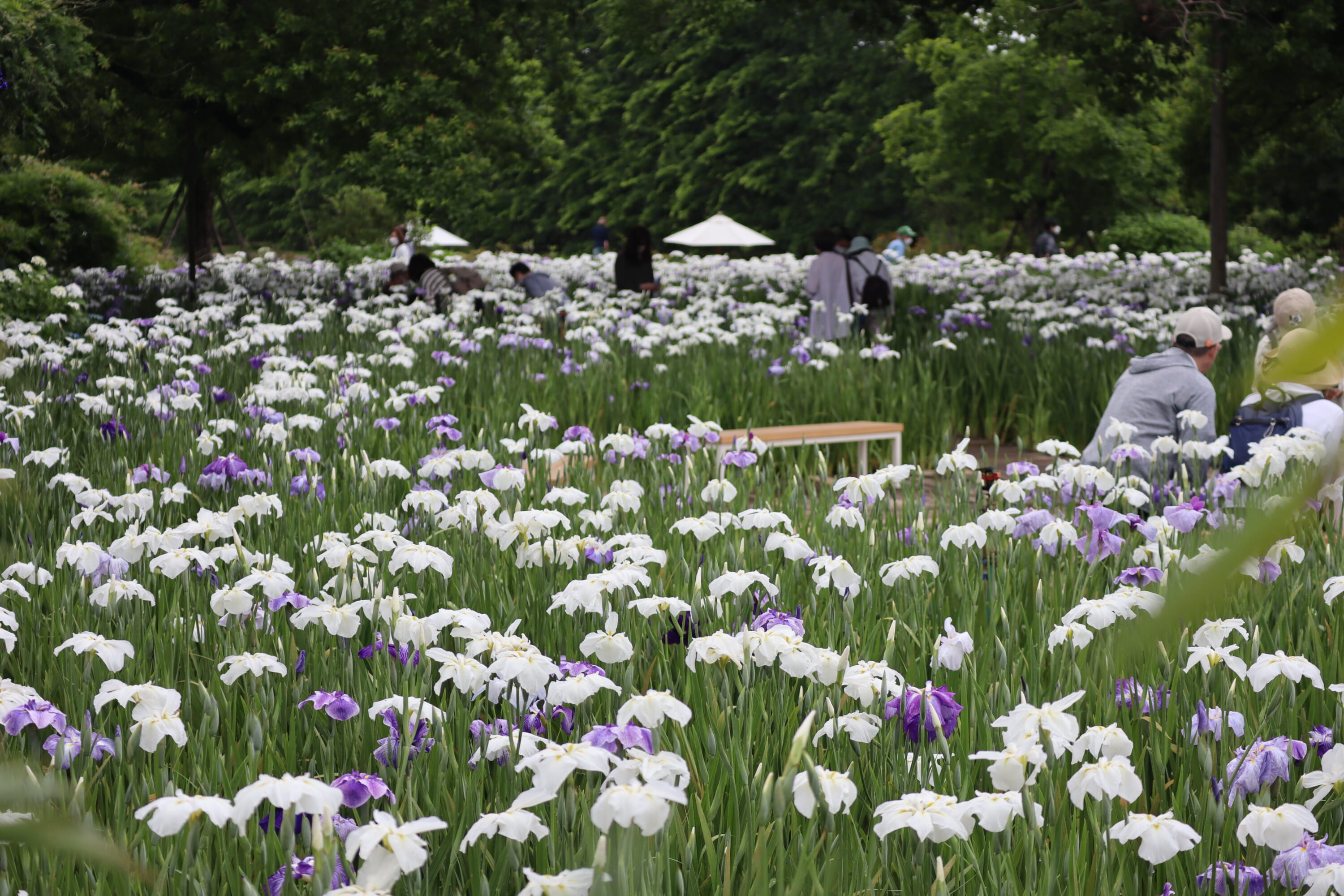

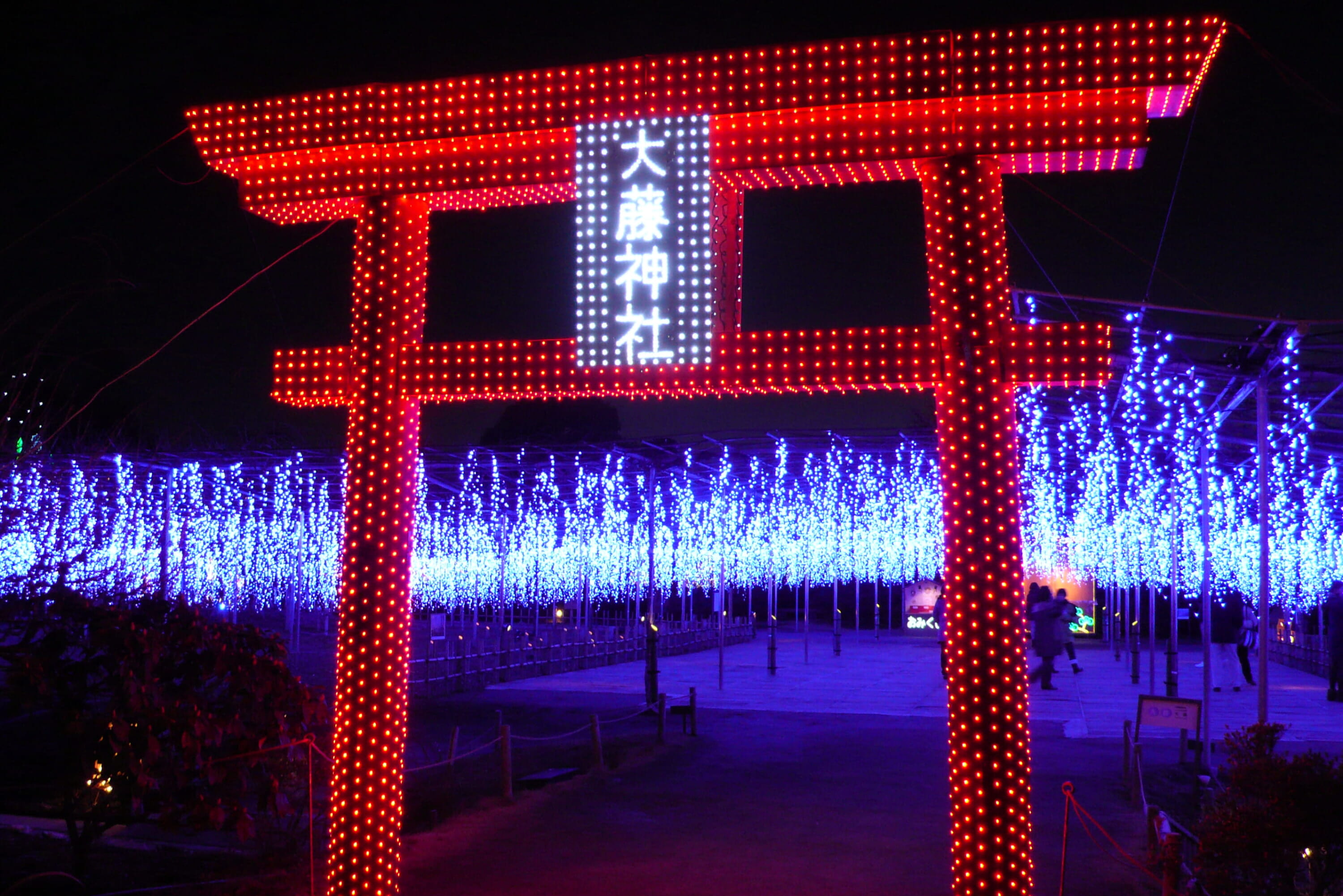

Best Times To Visit Ashikaga Flower Park
The wisteria season — roughly mid-April to mid-May — is the undisputed peak. The great wisteria typically reaches full bloom around late April to early May, while the white wisteria tunnel peaks slightly later. Because bloom timing shifts year to year, the park posts daily updates on its website and admission prices are adjusted accordingly. Weekday visits are strongly recommended during this period, as weekend crowds can be substantial even outside of national holidays.
Winter brings a completely different draw: the illumination event runs from mid-October through mid-February and is consistently rated among Japan’s top three light festivals. For those who prefer to avoid crowds entirely, the quieter summer and autumn months still offer beautiful displays and notably lower admission prices.