

Hagi Castle Town Overview
Tucked along the Sea of Japan coast in Yamaguchi Prefecture, Hagi Castle Town is one of Japan’s most remarkably preserved historic districts. Founded after warlord Mori Terumoto constructed Hagi Castle in 1604, the domain flourished for over 260 years, and its original town plan — lined with characteristic low walls, earthen and namako-patterned facades and stately samurai residences — remains intact to this day.
The city served as the seat of the Choshu domain and, near the end of the Edo period, rose to national prominence as a driving force behind the Meiji Restoration — the movement that toppled the Tokugawa shogunate and restored central power to the emperor. Many of the key figures of that era, including Kido Takayoshi and Takasugi Shinsaku, were born in the castle town, and their former residences can still be visited today.
The castle town itself is an open heritage district, so there are no general admission tickets required to walk its streets and admire the architecture. Individual attractions such as samurai residences and museums charge separate entry fees. Hagi is also celebrated for its Hagiyaki pottery, which ranks among Japan’s finest. Shops selling the distinctive ceramics are scattered throughout the district, making it easy to pick up a piece of living local craft tradition.
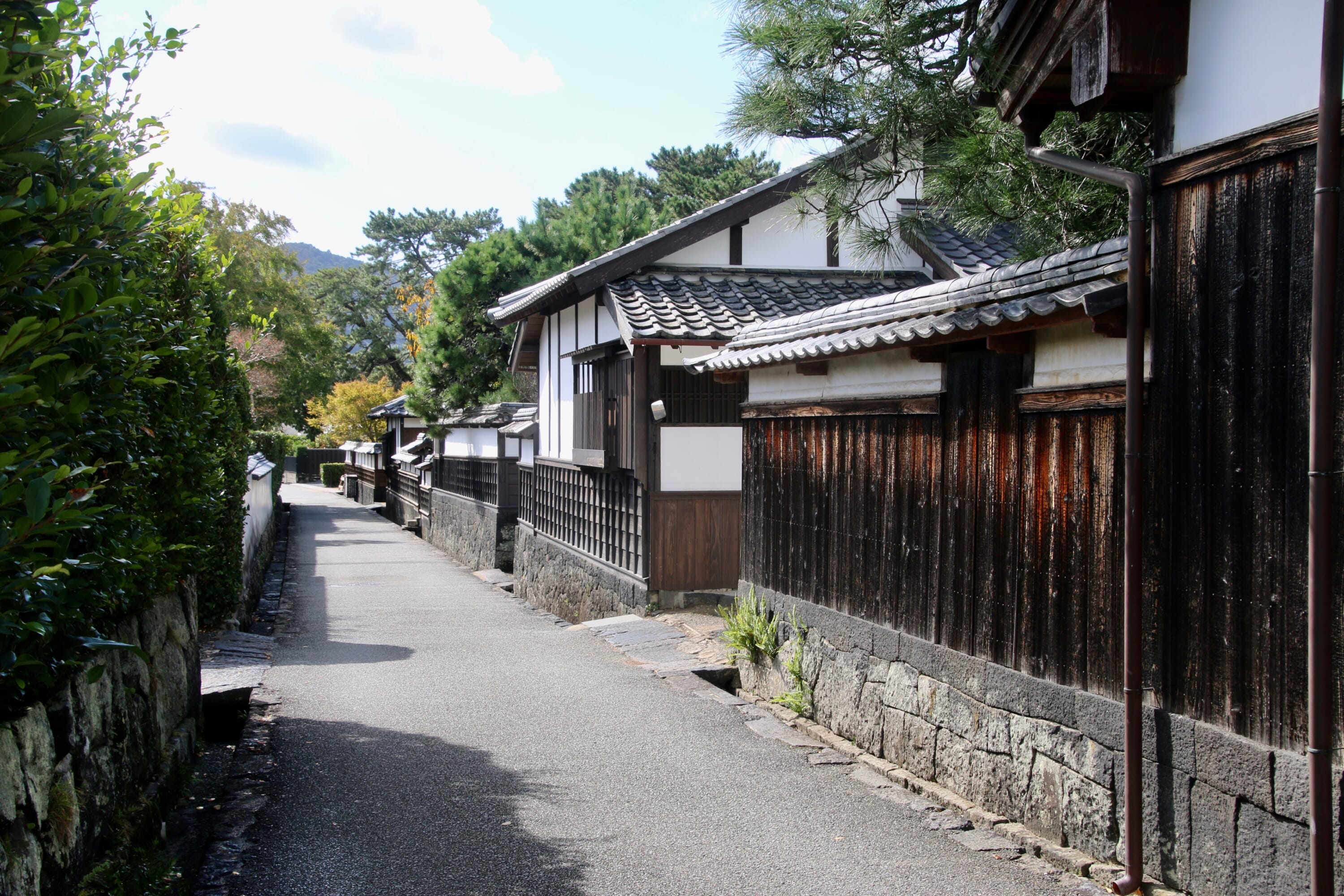
Best Times To Visit Hagi Castle Town
In May, natsu mikan (Japanese summer oranges) blossom and fill the town with a sweet fragrance — the sight of bright orange fruit against the white walls is one of Hagi’s most iconic images. Spring also brings cherry blossoms to Shizuki Park, typically peaking from late March to early April.
Autumn is another excellent time to visit. Events held during this season, including the popular Kimono Walk in Hagi, let visitors experience the historic atmosphere of the castle town more fully.