

Mount Daisen Overview
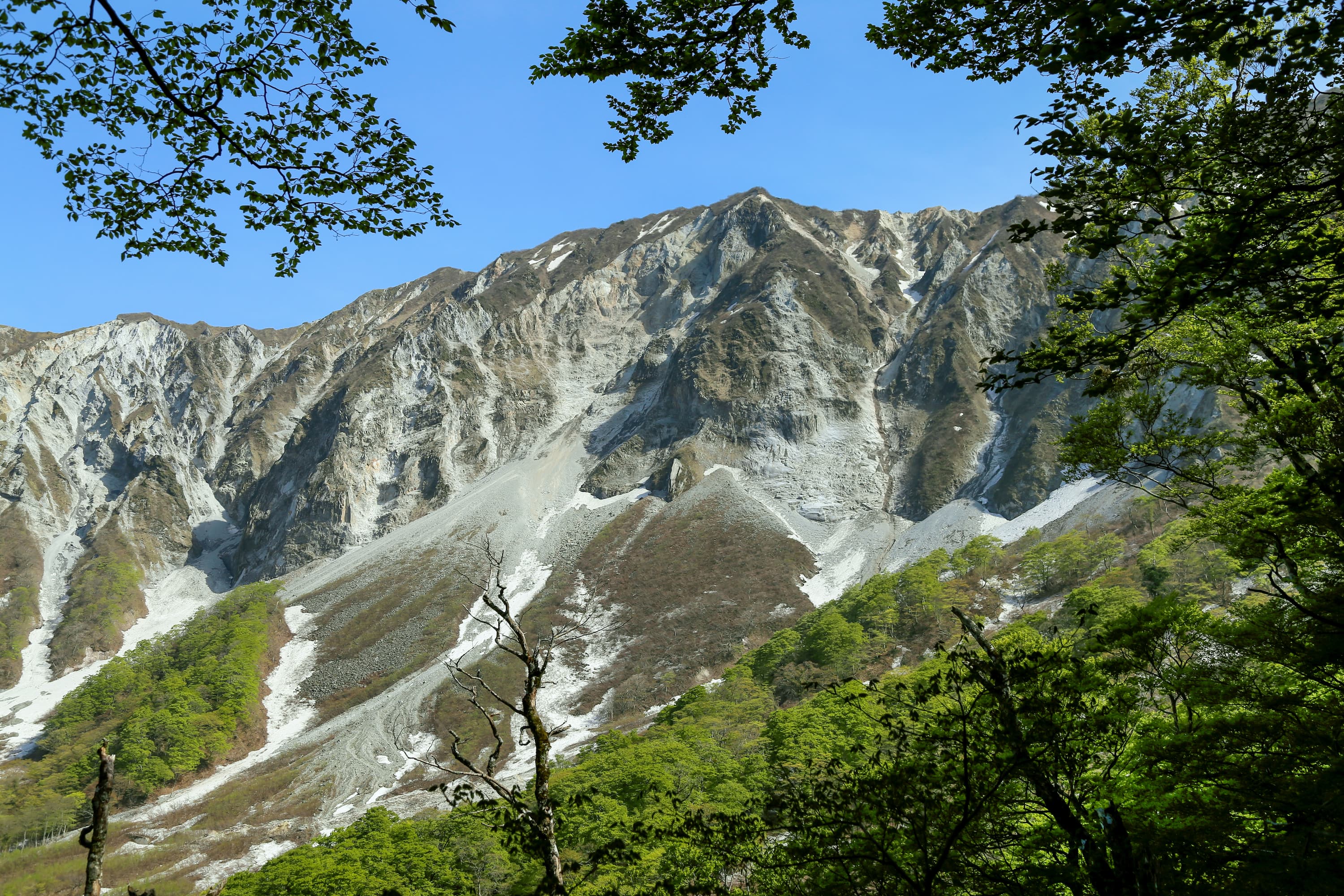
Mount Daisen is a large volcanic mountain rising from sea level to dominate the terrain of western Tottori Prefecture. Part of Daisen-Oki National Park, it is the tallest peak in the Chugoku region — the westernmost stretch of Honshu — reaching 1,729 meters at its highest point, with the accessible summit at Misen standing at 1,709 meters. The mountain ranks among Japan’s 100 famous mountains.
Its name translates to “Great Mountain,” and it was formerly known as Ogamiyama, meaning “Mountain of the Great God,” with the deity enshrined here being Kagutsuchi-no-mikoto, the god of fire. From the southern side, Daisen’s gentle slopes are reminiscent of Mt. Fuji, earning it the nickname “Hoki Fuji.”
The origins of Daisenji Temple at the mountain’s base date to the 8th century, when Mt. Daisen was a major site of Shugendo — a syncretic religion combining elements of Shinto, Buddhism, Shamanism and mountain worship. From the 8th to the 14th century, the temple complex was a major center of power and influence, with more than 100 associated temples and 3,000 armed “warrior” priests. Public access to the mountain was strictly prohibited until the Meiji Restoration.
Today the mountain draws hikers, skiers and nature lovers year-round. The most popular trail begins at Daisenji Temple and winds through a serene beech forest, featuring steep inclines and wooden boardwalks before rewarding hikers with spectacular views from Misen Peak.
Best Times To Visit Mount Daisen
Mt. Daisen is known for its seasonal beauty: spring flowers, summer alpine plants, autumn foliage and winter snow.
Spring (April–May) brings fresh greenery and blooming azaleas to the beech forest. Summer is the peak hiking season — an annual summer opening festival is typically held in early June, marking the start of serious climbing season, though dates vary by year. The cooler mountain air also makes it a popular escape from lowland heat.
Autumn (late October–early November) is one of the the most stunning times to visit. The maple and beech forests that cover the mountain slopes turn brilliant shades of autumn colors, drawing large crowds of leaf-peepers and photographers.
Winter brings a different kind of adventure. The mountain offers some of the best skiing on the west coast, with runs catering to all levels. The mountain is typically covered in snow from late November through late April, though this varies by year. Winter hikers should come prepared with crampons and layered clothing, as conditions above the tree line can be harsh.