

A Desert on the Edge of the Sea
The Tottori Sand Dunes (Tottori Sakyu) are one of Japan’s most striking natural landmarks, sprawling across roughly 16 kilometers of coastline along the Sea of Japan in Tottori Prefecture. Reaching nearly 50 meters in height — the famous “Umanose” ridge stands at 47 meters — and stretching up to 2 kilometers wide, they form a desert-like landscape unlike anywhere else in the country, all the more surprising given Japan’s otherwise lush, green terrain.
Designated a national natural monument and part of the San’in Kaigan National Park, the dunes were shaped over thousands of years as sand from the Sendaigawa River was carried out to sea and gradually redeposited along the coast by ocean currents. Wind and tide continue to reshape the dunes today, meaning no two visits look quite the same.
The main sightseeing area sits between the visitor center and the sea, where the dunes are at their most dramatic. Visitors can hike to the top of the Umanose ridge, try sandboarding or paragliding or take a camel ride across the sand. The nearby Sand Museum is also worth a stop — it’s the world’s only permanent indoor museum dedicated to sand sculpture, hosting large-scale works by international artists built around a theme that changes each year.
Best Times To Visit Tottori Sand Dunes
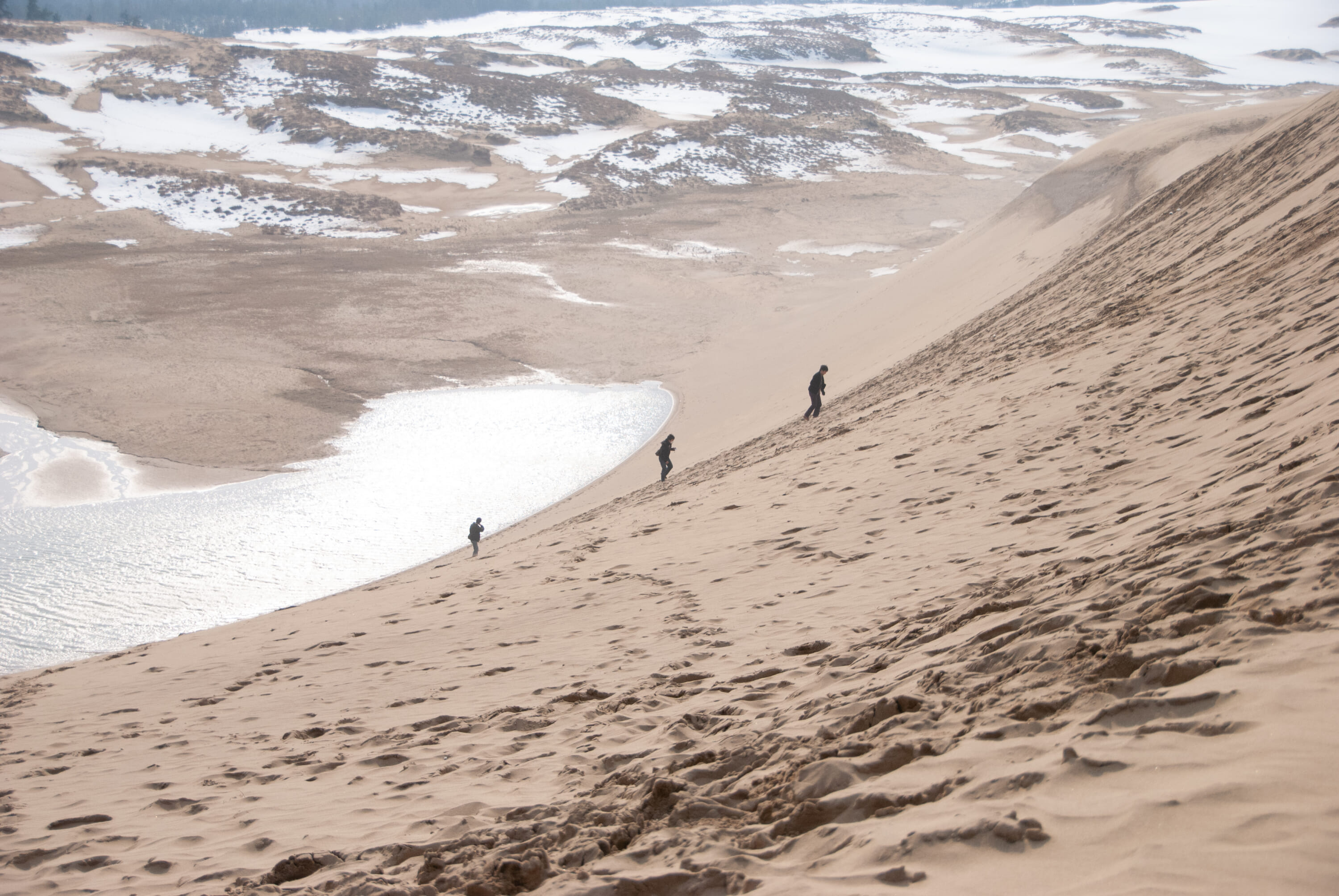
Spring and autumn are generally the most comfortable times to visit, with mild temperatures ideal for walking the dunes. Summer brings vivid blue skies that contrast beautifully with the sand, though the heat can be intense — sunscreen and plenty of water are essential, as there is no shade on the dunes. Fom mid-December through March, the dunes are occasionally dusted with snow, creating a striking landscape of white rippled sand. A winter illumination event called “Tottori Sand Dunes Illusion” also typically runs from mid-December to Christmas, though exact dates vary by year — check the official tourism site for current schedules.