

Matsue Castle Overview
Perched atop Shiroyama hill in Shimane Prefecture, Matsue Castle is one of the most significant surviving feudal structures in Japan. Constructed over five years from 1607 to 1611 by Yoshiharu Horio, the feudal lord and founder of Matsue, it is one of only 12 remaining original castle keeps in Japan and the only one in the San’in region.
The elegance of the castle’s swooping roofs is often compared to the wings of a chidori (plover bird), which has earned it the nickname “Chidori-jo,” or Plover Castle. Its predominantly dark exterior — wooden paneling treated to resist fire — stands in striking contrast to the white walls of castles like Himeji, giving it a brooding, distinctive silhouette.
Inside the main keep, visitors can walk six floors and discover displays of feudal armor, weapons and tools of daily life. The castle is also the only remaining keep in Japan with a well inside, built in a unique architectural style. From the top floor, a 360-degree panoramic view takes in the Matsue cityscape and the shimmering expanse of Lake Shinji.
The castle’s history took an interesting turn in the modern era. In 1950 it lost its national treasure status after a new law required historic structures to have substantiated evidence of the era in which they were built. Decades of effort by city officials eventually paid off when, in 2012, investigators uncovered invocation sheets dated 1611 at Matsue Shrine on the castle grounds. Matsue Castle regained its National Treasure designation in 2015.
The surrounding Jozan Park is free to enter and is one of Japan’s top 100 cherry blossom spots, boasting around 180–200 cherry trees in spring, including Someiyoshino, double-flowered and weeping varieties.
Best Times To Visit Matsue Castle
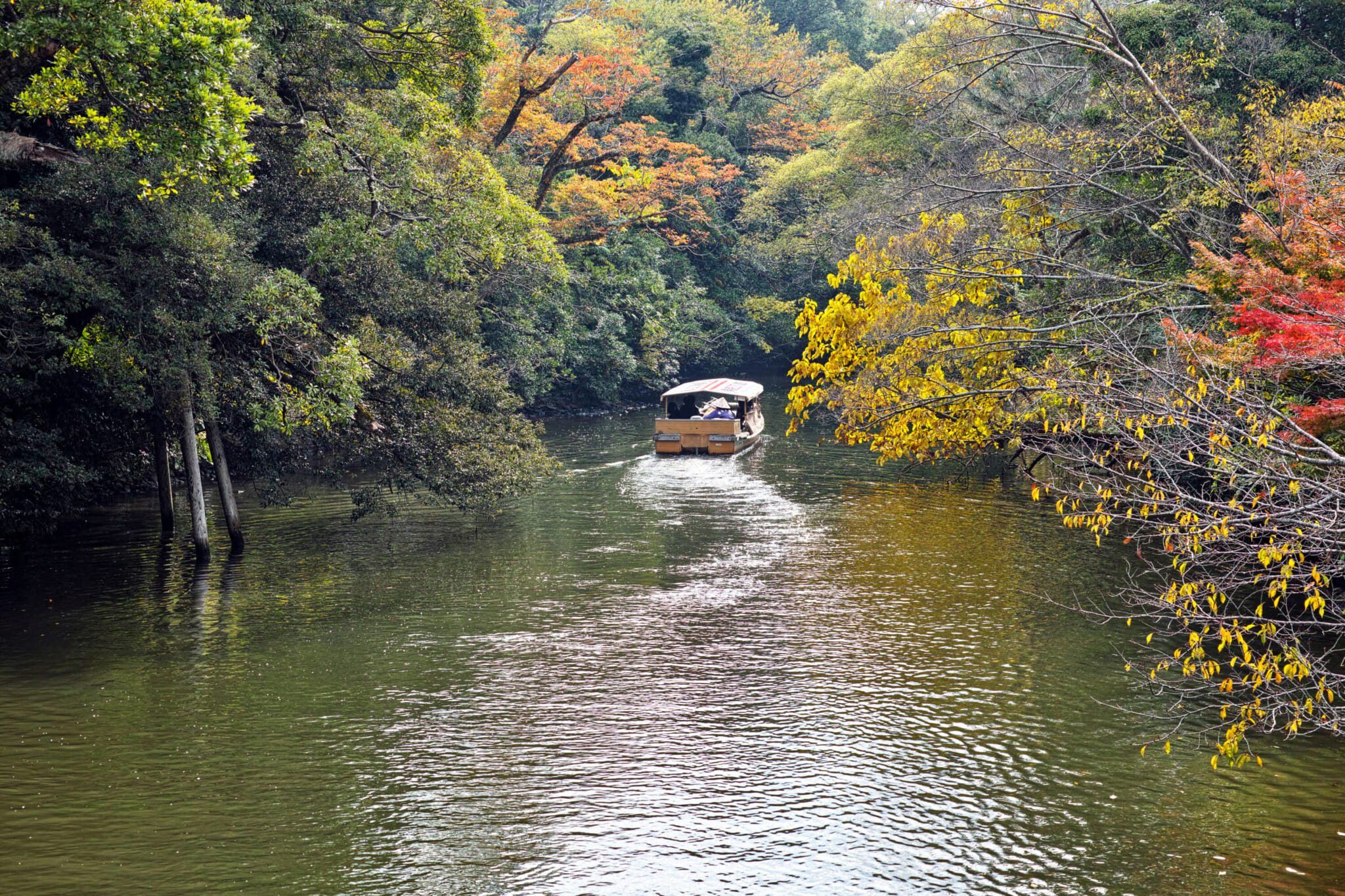
Spring and autumn are the best times to visit. Cherry blossom season, typically late March through April, draws visitors for the hundreds of blooming trees across the castle grounds.
The Grand Tea Ceremony, hosted annually on the castle grounds in honor of Matsudaira Fumai — the seventh lord of Matsue and founder of the Fumai-ryu tea ceremony — is typically held during the last weekend of October, though it’s worth checking dates in advance as they may shift slightly year to year. It’s one of the most atmospheric events in the San’in region and worth timing a visit around.
In winter, the Horikawa sightseeing boats that cruise the castle moat are equipped with kotatsu heaters and blankets, making for a memorable cold-weather experience.