Most people associate festivals in Japan with summer. In Tokyo alone, there is an incredible collection of traditional parades and firework displays to admire across June, July and August. But unbeknownst to many visitors, the country also boasts a vibrant array of fall festivals that celebrate the autumn harvest, commemorate historical events and honor local deities. From the Kurama Fire Festival’s dramatic, glowing procession to the Takayama Autumn Festival’s breathtakingly beautiful floats, here are unforgettable fall festivals in Japan.
Takayama Autumn Festival (Gifu)
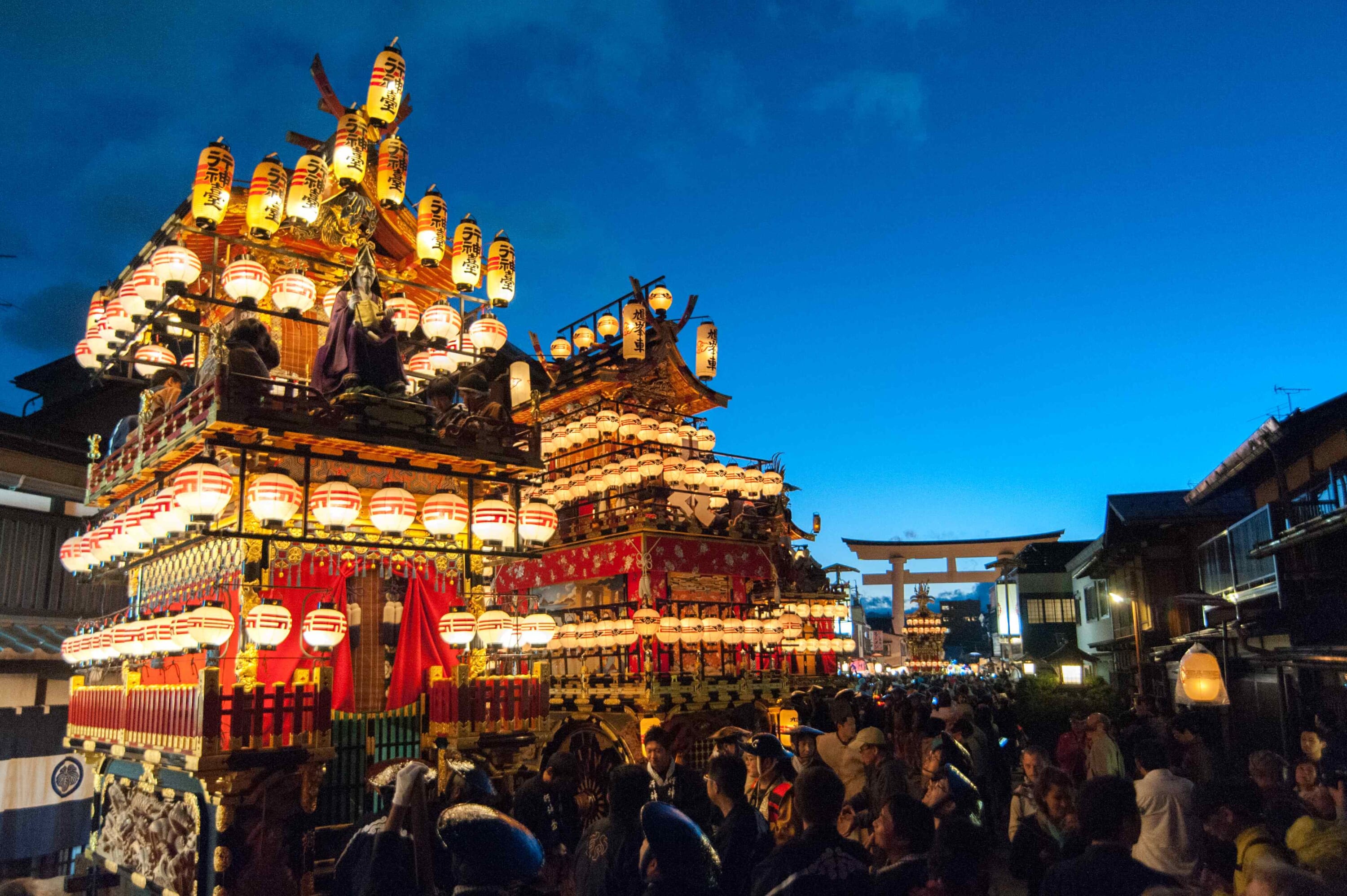
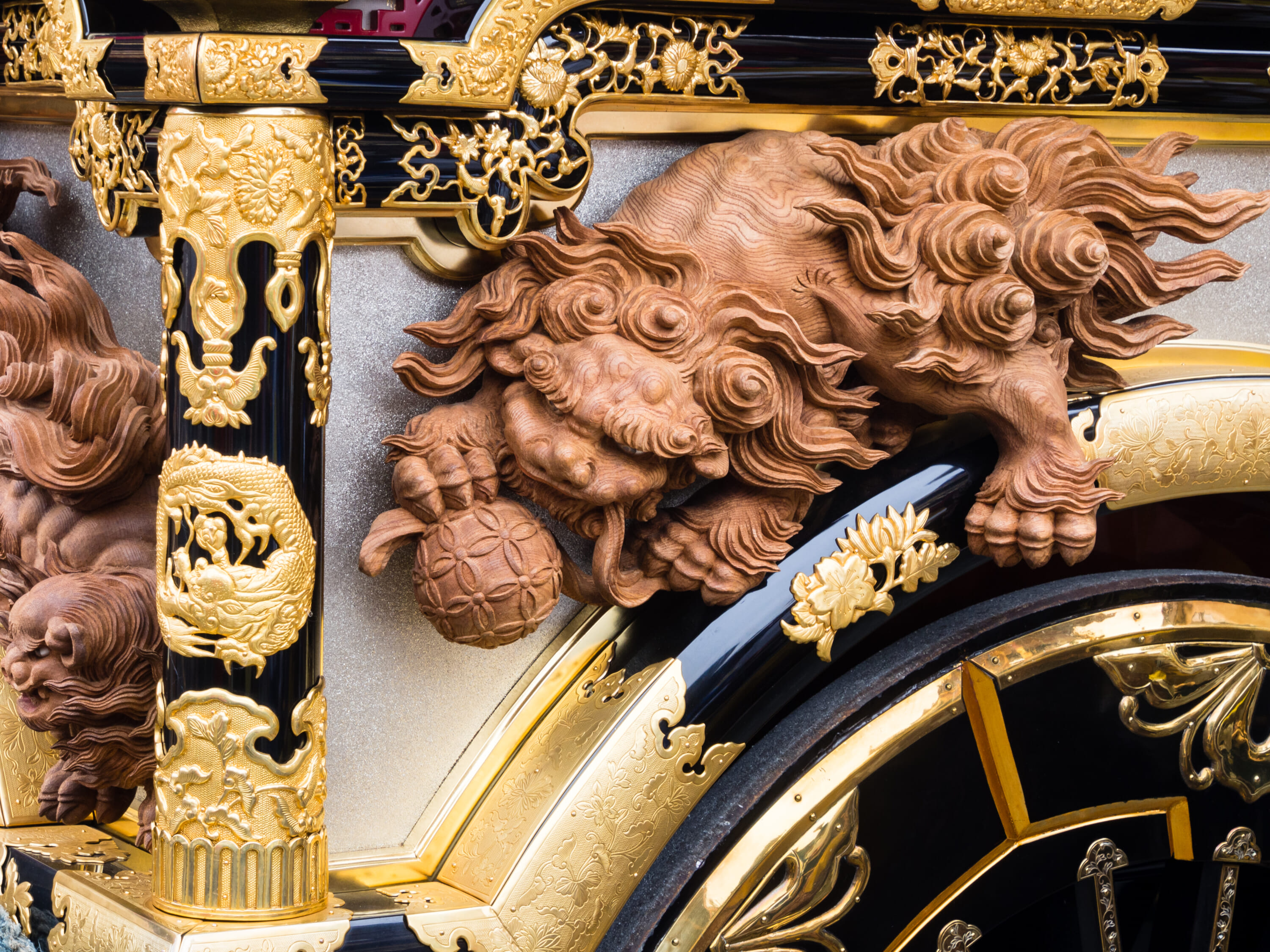
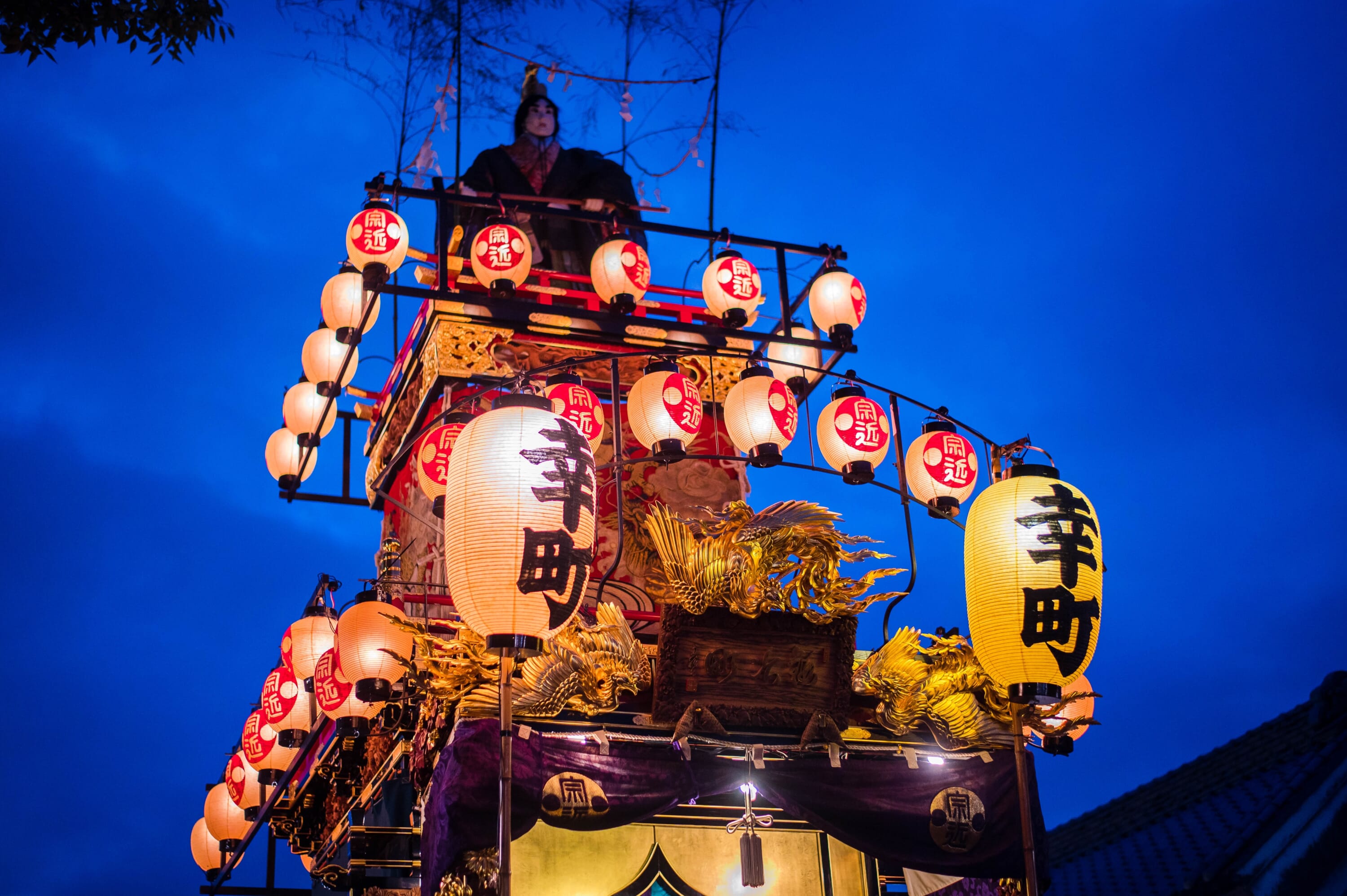
The Takayama Autumn Festival, also known as the Hachiman Festival, is a renowned annual event held on October 9 and 10 at Sakurayama Hachimangu Shrine. It’s famous for its procession of ornate floats called yatai, which are decorated with intricate carvings and lacquer work.
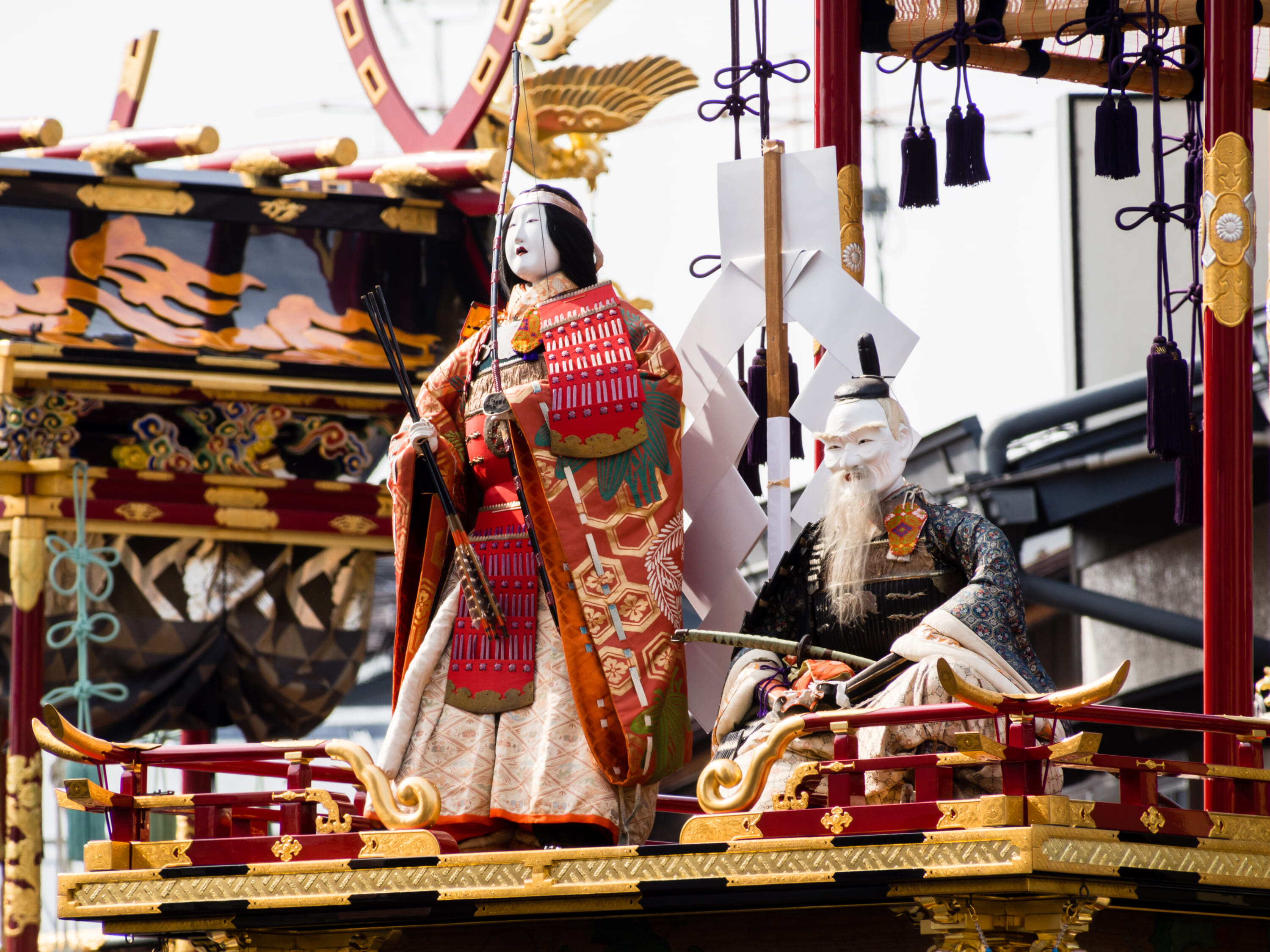
A festival highlight is the karakuri ningyo — mechanical marionettes that perform on some of the floats. The event culminates in a breathtaking yoimatsuri (night festival) on October 9, where the floats are illuminated by traditional lanterns, creating a spectacular scene as they are pulled through the streets. The Takayama Autumn Festival is recognized by UNESCO as an Intangible Cultural Heritage of Humanity.
Jidai Matsuri (Kyoto)
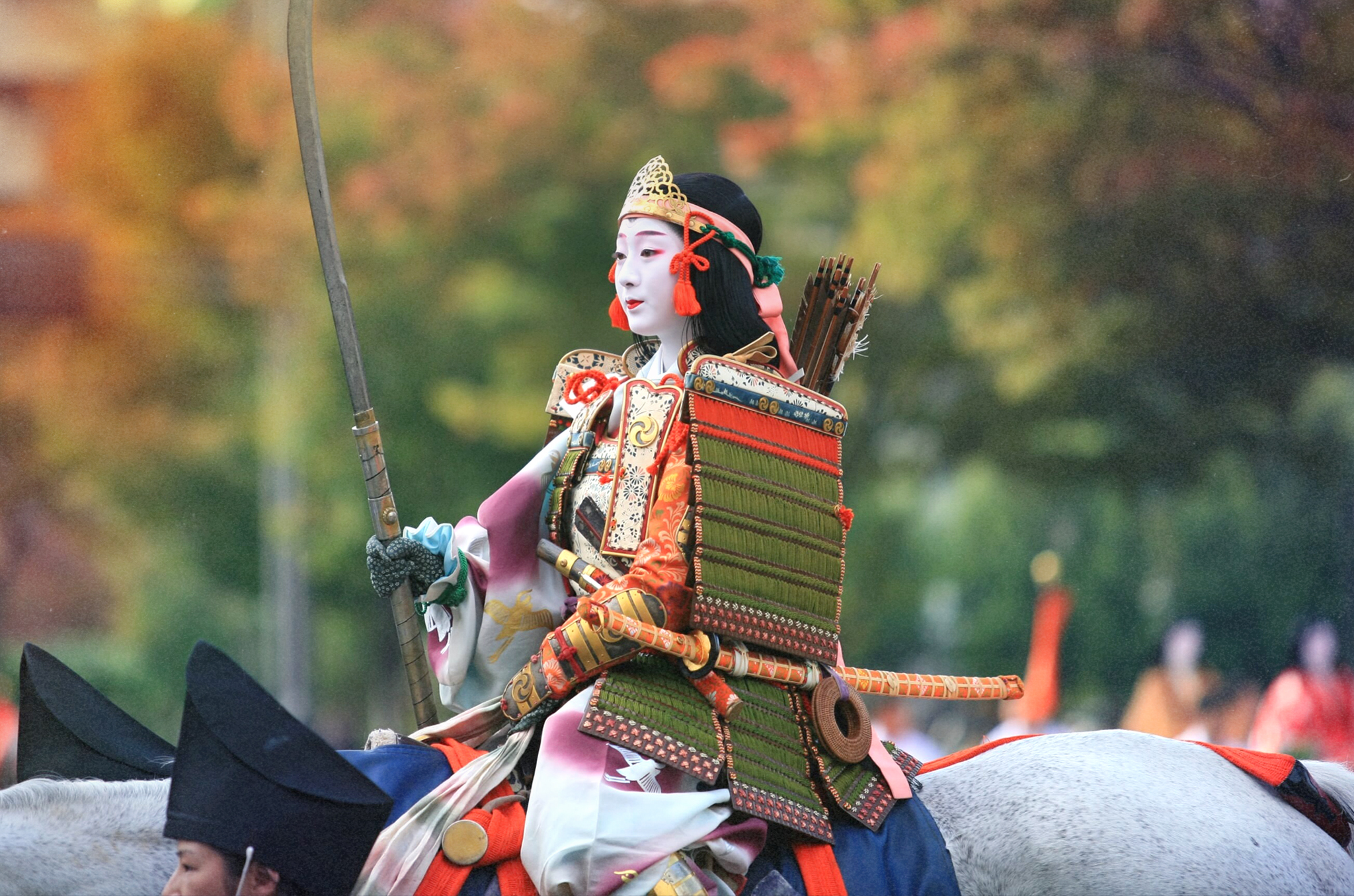
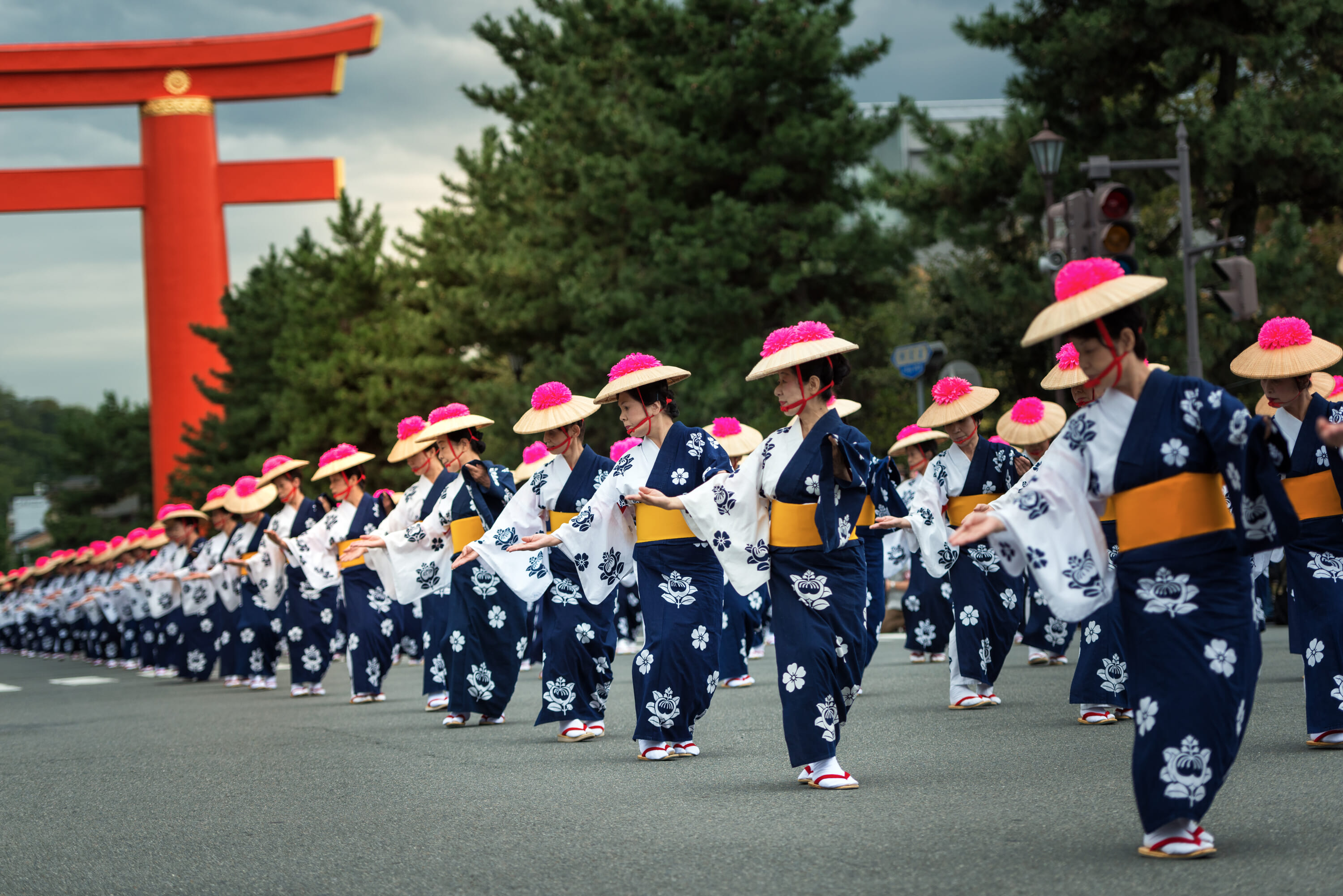
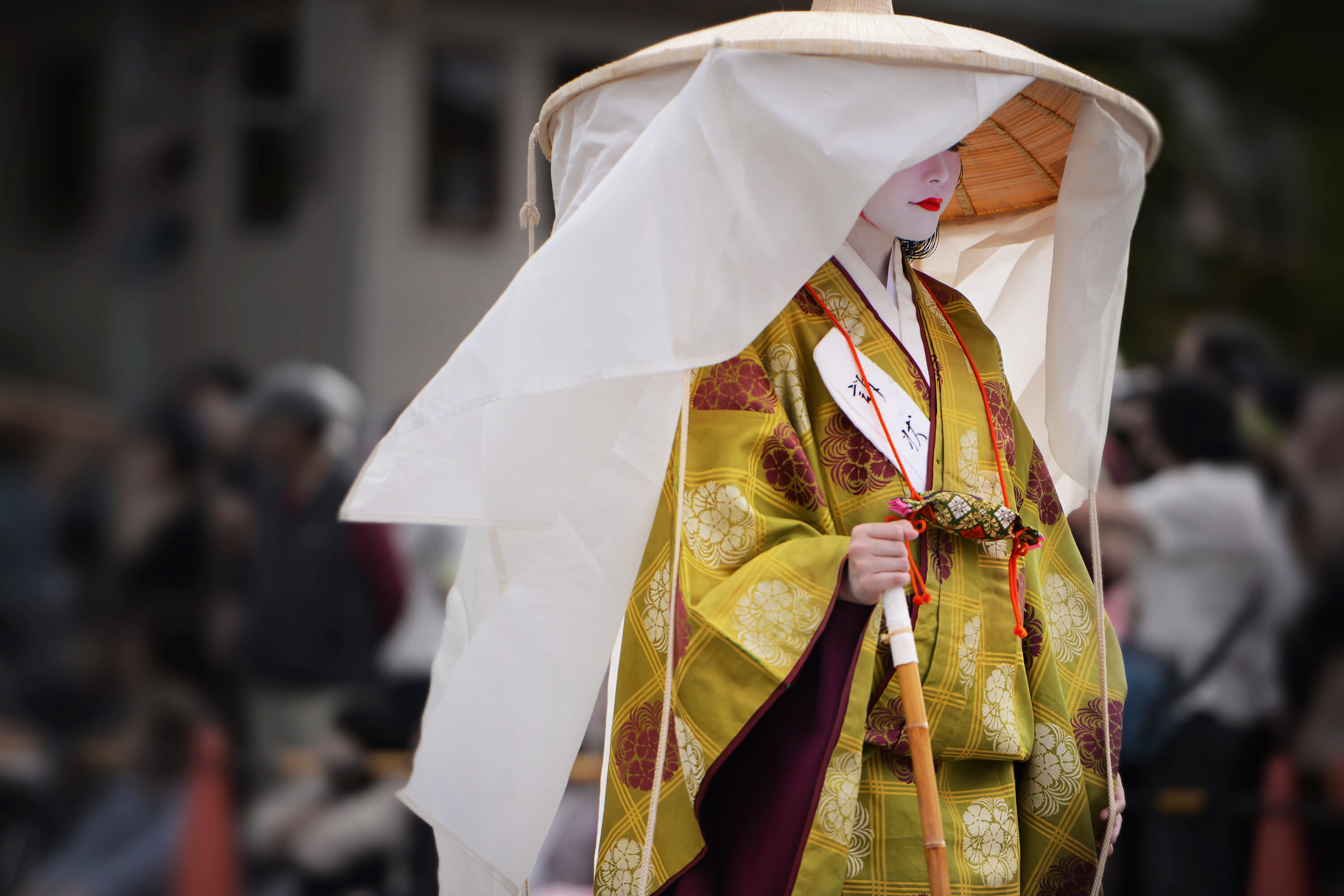
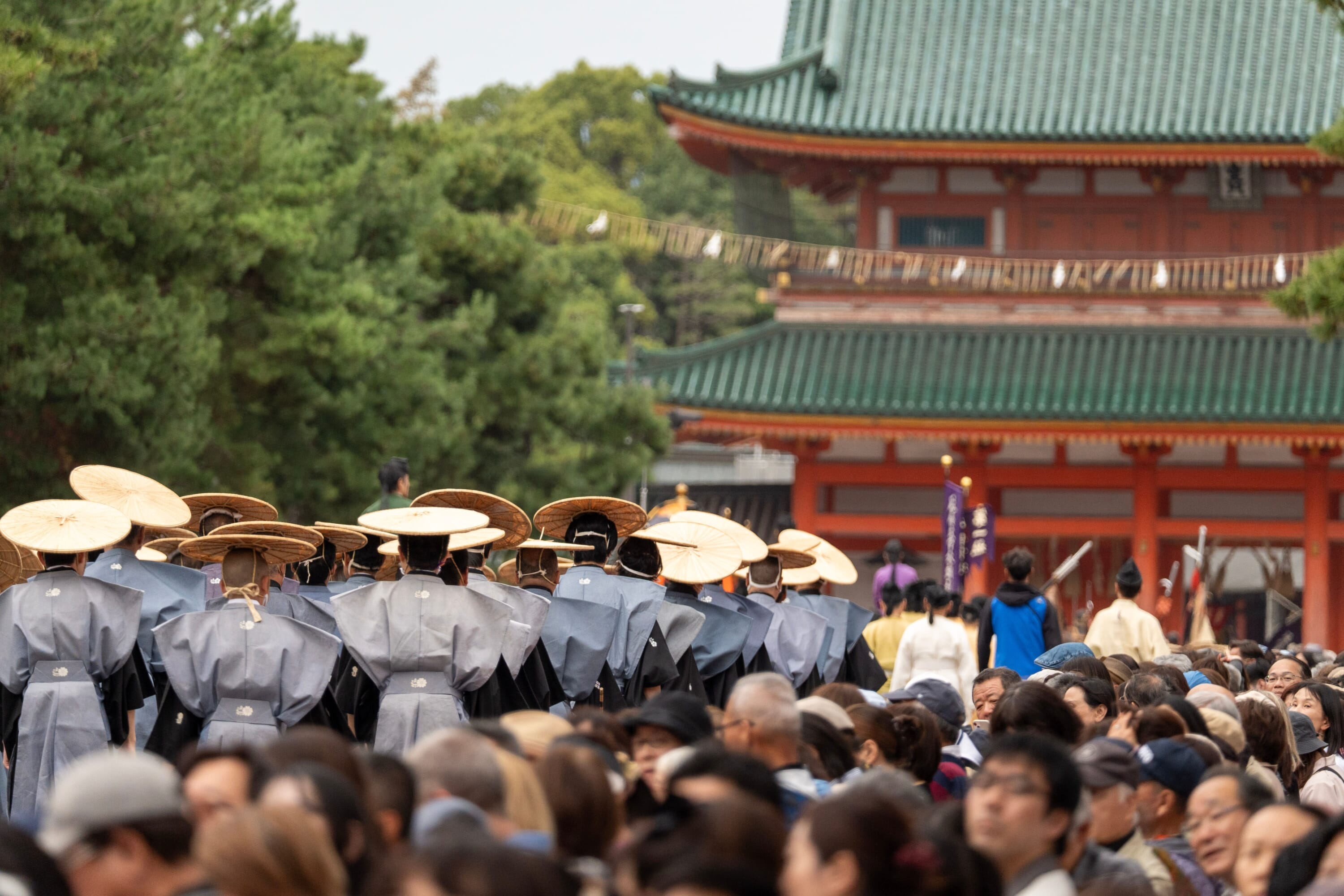
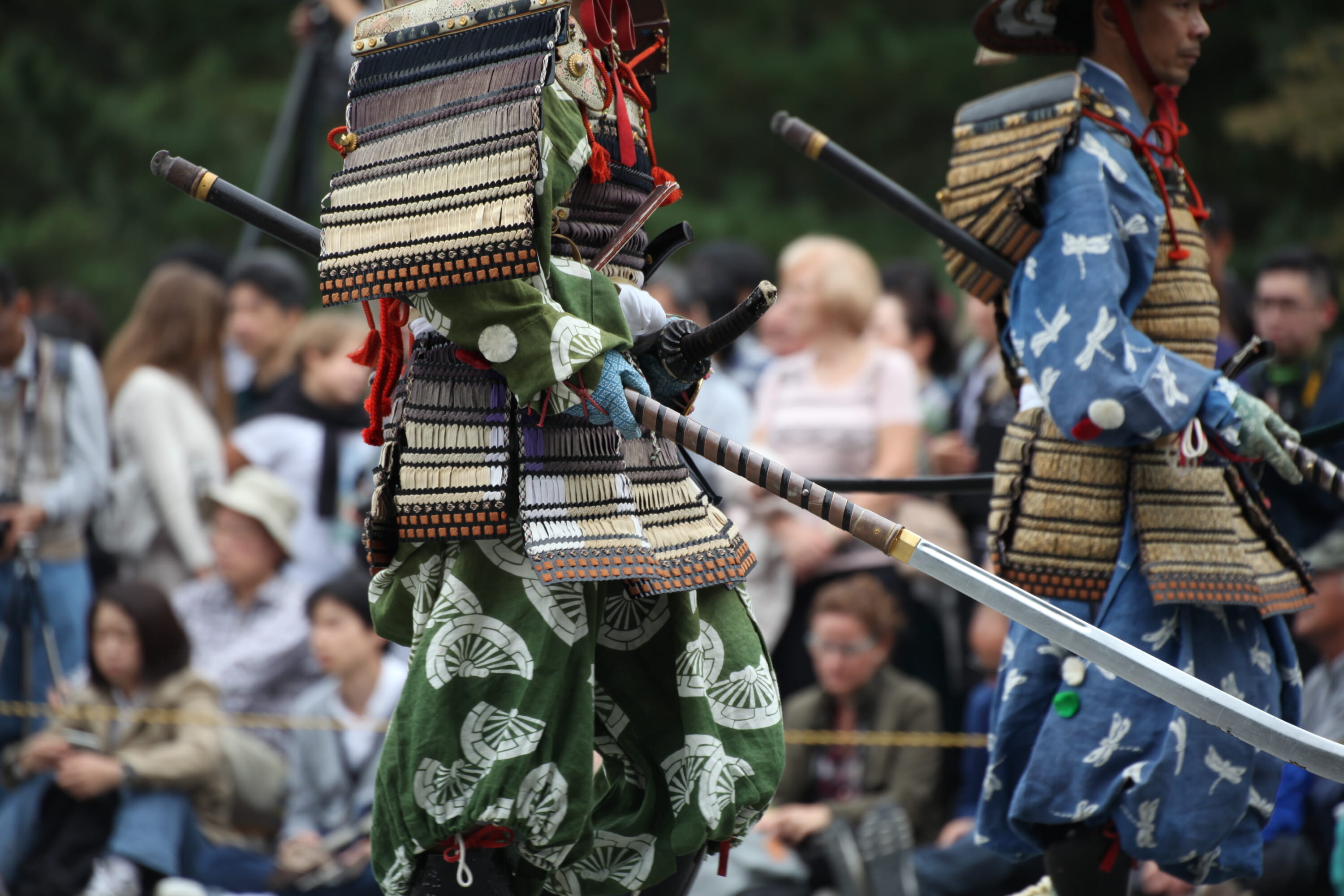
The Jidai Matsuri, or “Festival of the Ages,” is a major historical parade held every October 22 in Kyoto. It commemorates the city’s history, from the Enryaku period (782-806), through its founding as the imperial capital in 794 to the Meiji Restoration in 1868. The highlight is a two-kilometer-long procession featuring around 2,000 participants dressed in meticulously recreated period attire, moving in reverse chronological order.
This living capsule of history includes famous samurai, court nobles and commoners, as well as a marching band and elaborate palanquins. The parade begins at the Kyoto Imperial Palace and culminates at Heian Jingu Shrine, offering a unique and visually stunning journey through Japan’s past.
Kurama Fire Festival (Kyoto)
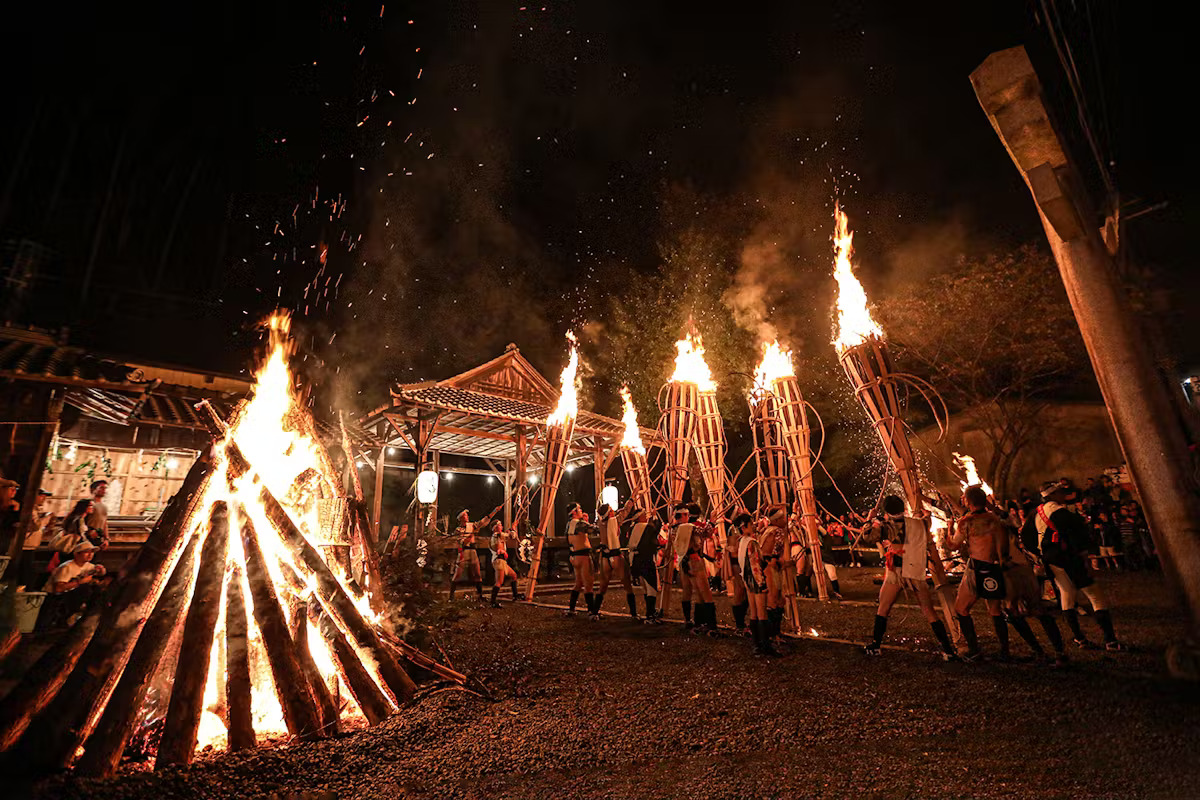
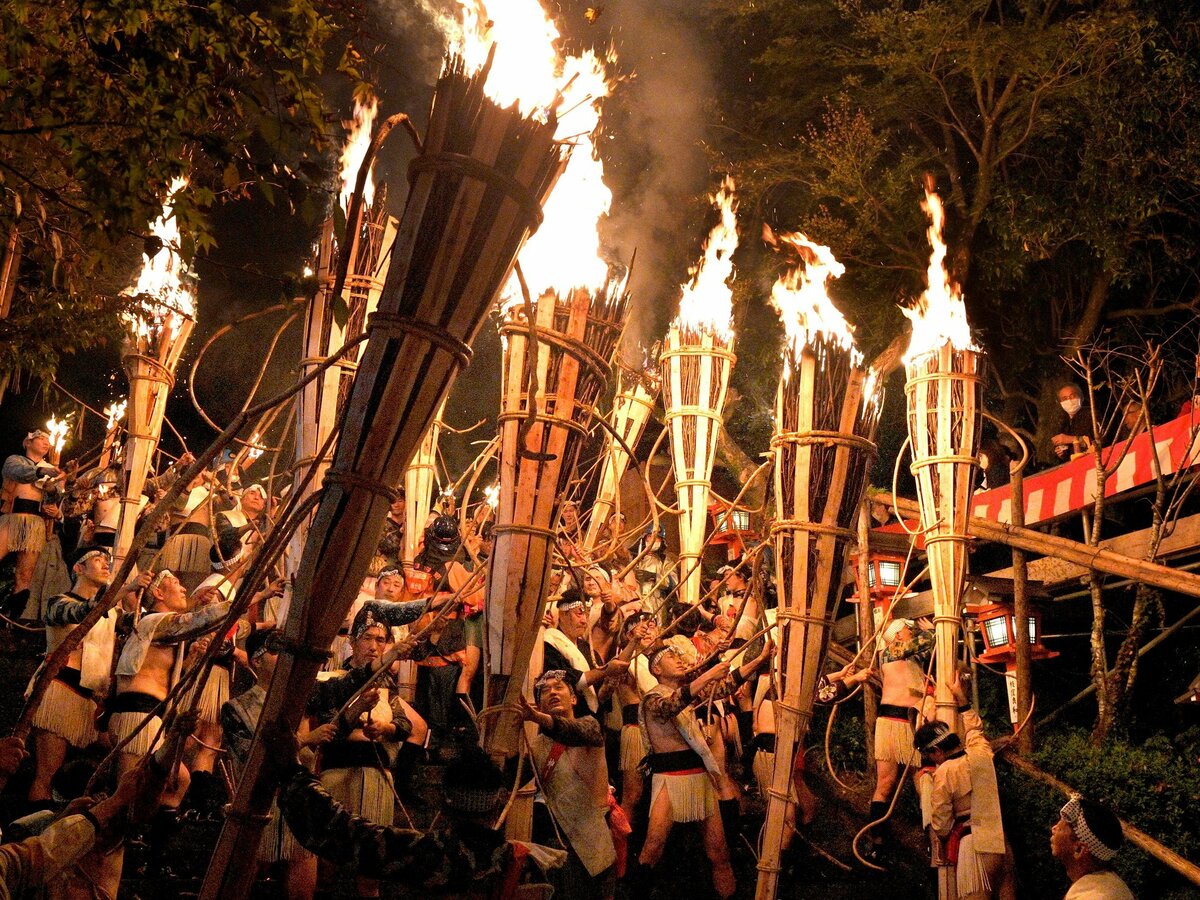
The Kurama Fire Festival, or Kurama no Hi Matsuri, is an ancient tradition held annually on October 22 in the mountain village of Kurama, near Kyoto. Known as one of Kyoto’s three most eccentric festivals, it’s a re-enactment of a ceremony from the year 940, when Yuki Shrine and its associated deities were relocated to the area to protect the capital.
The Kurama Fire Festival’s main feature is a dramatic procession of locals, including men carrying huge torches and children carrying smaller ones. The largest torches, called taimatsu, weigh up to 80 kilograms. In a vivid display of strength, the spectacle sees participants chanting and parading the torches and two portable shrines until late into the night.
Kawagoe Festival (Saitama)
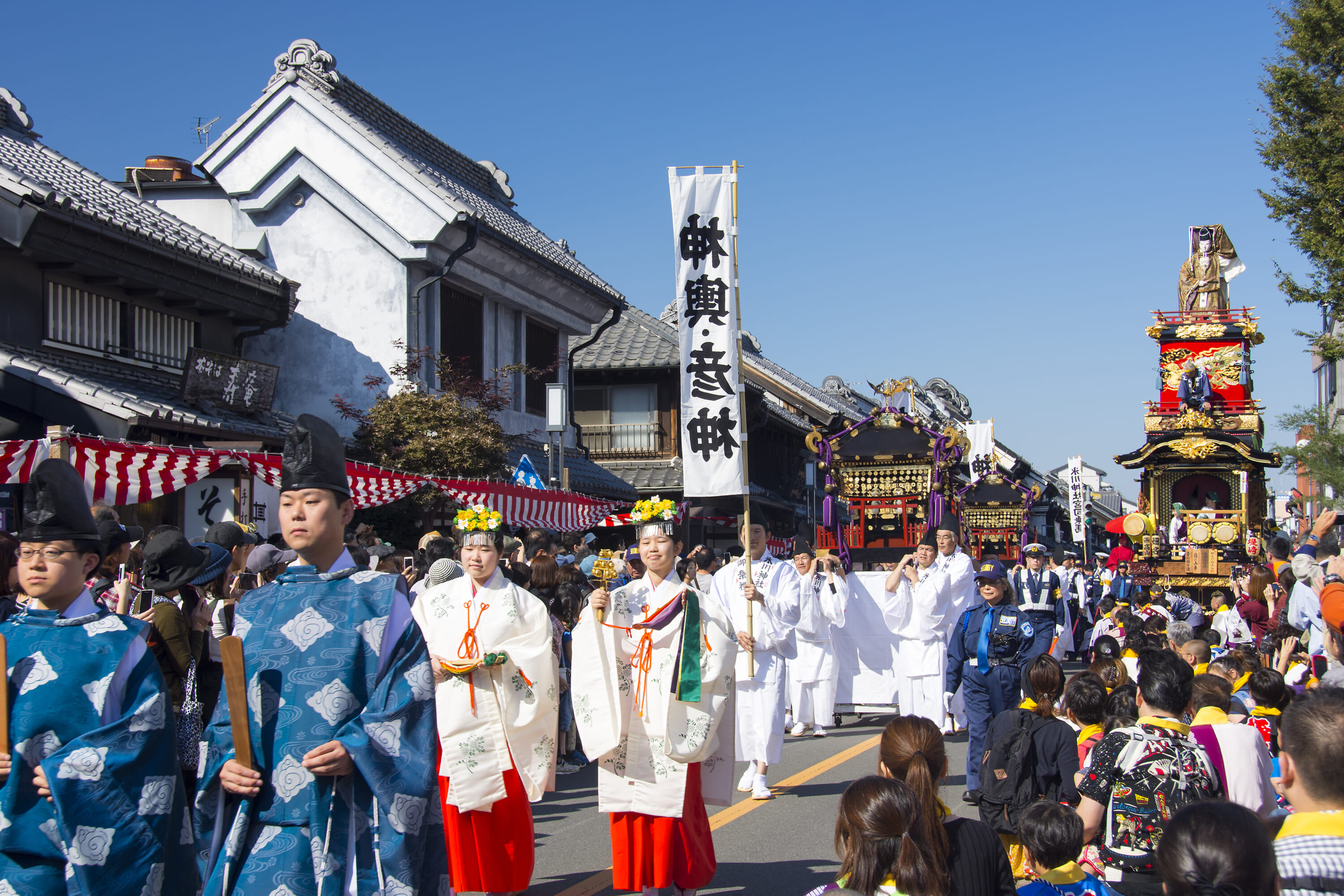
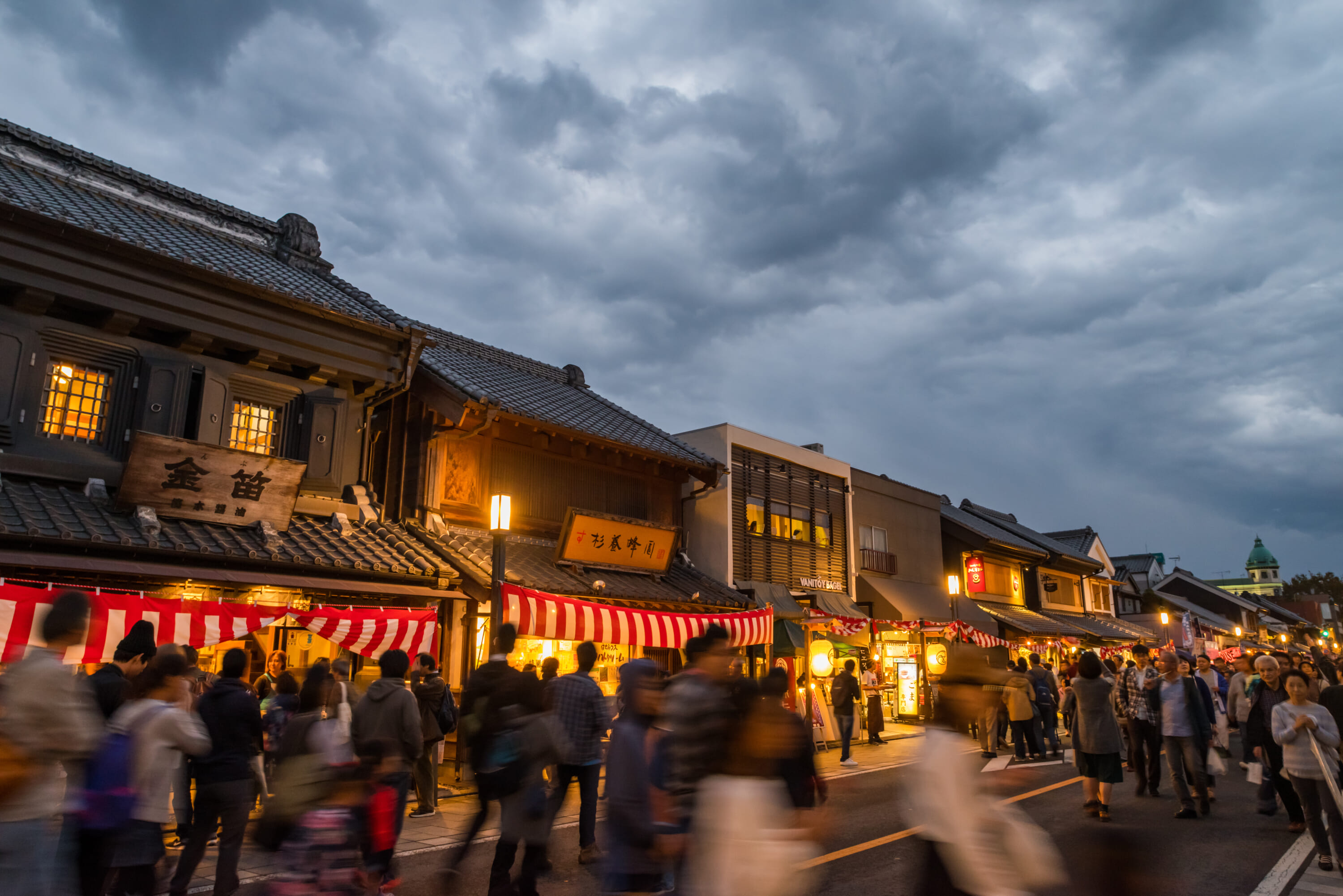
The Kawagoe Festival, officially the Kawagoe Hikawa Festival, is a vibrant traditional festival held annually on the third weekend of October in Kawagoe, Saitama Prefecture. With a history spanning over 370 years, it’s known for its beautiful floats, which are topped with large dolls of historical or mythical figures. The festival is a nationally designated Important Intangible Folk Cultural Property and is registered on the UNESCO Intangible Cultural Heritage list.
Lively musical “battles” called hiikkawase take place at night, when floats from different neighborhoods meet. The floats face each other, and the musicians and dancers on board compete in a loud and energetic performance of traditional hayashi music as the crowds cheer them on. The festival’s backdrop is the historic Kurazukuri district, with its old storehouse-style buildings, which adds to the Edo-period atmosphere.
Kishiwada Danjiri Matsuri (Osaka)
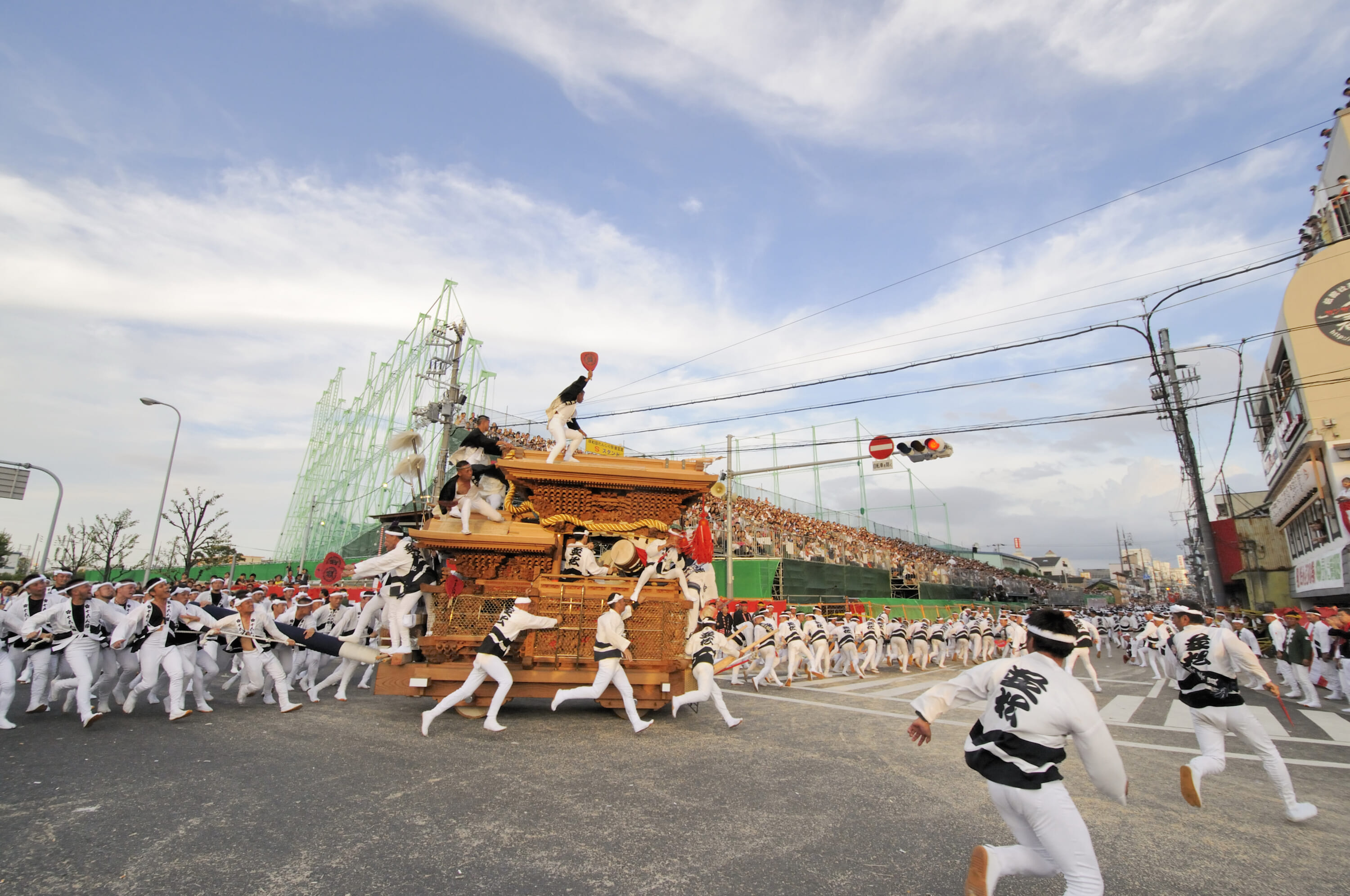
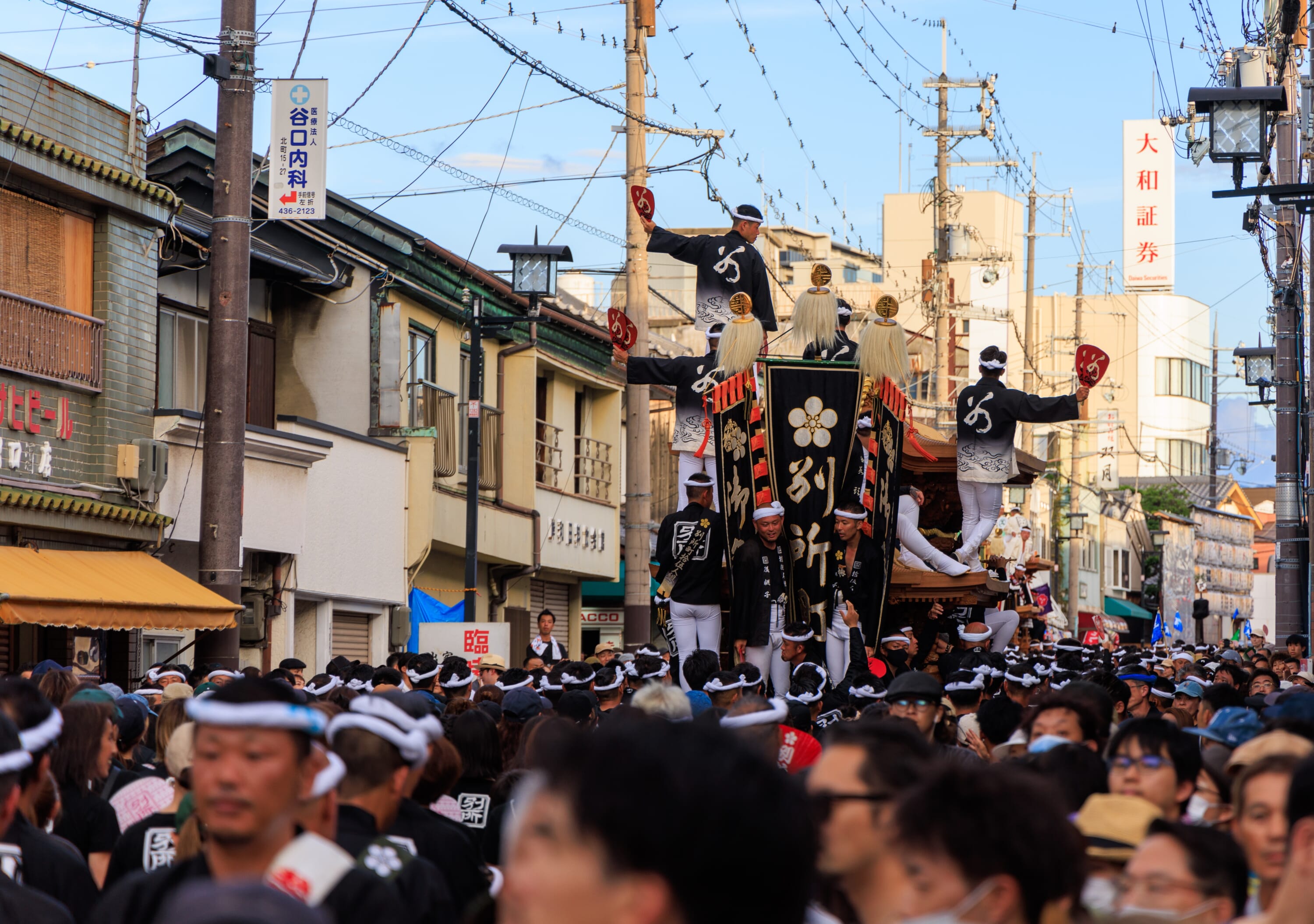
The Kishiwada Danjiri Matsuri is a vibrant, spirited festival held annually in Kishiwada, Osaka, on the weekend before Respect for the Aged Day (the third Monday of September). It’s famous for its centerpiece: the high-speed procession of massive, intricately carved wooden floats called danjiri. Teams of hundreds of men pull these four-ton floats through the city’s narrow streets at full speed.
The festival’s highlight is the yarimawashi, where the floats make daring 90-degree turns without slowing down. The dramatic event, which has a 300-year history, concludes with a more serene, lantern-lit parade at night.
Niihama Taiko Festival (Ehime)
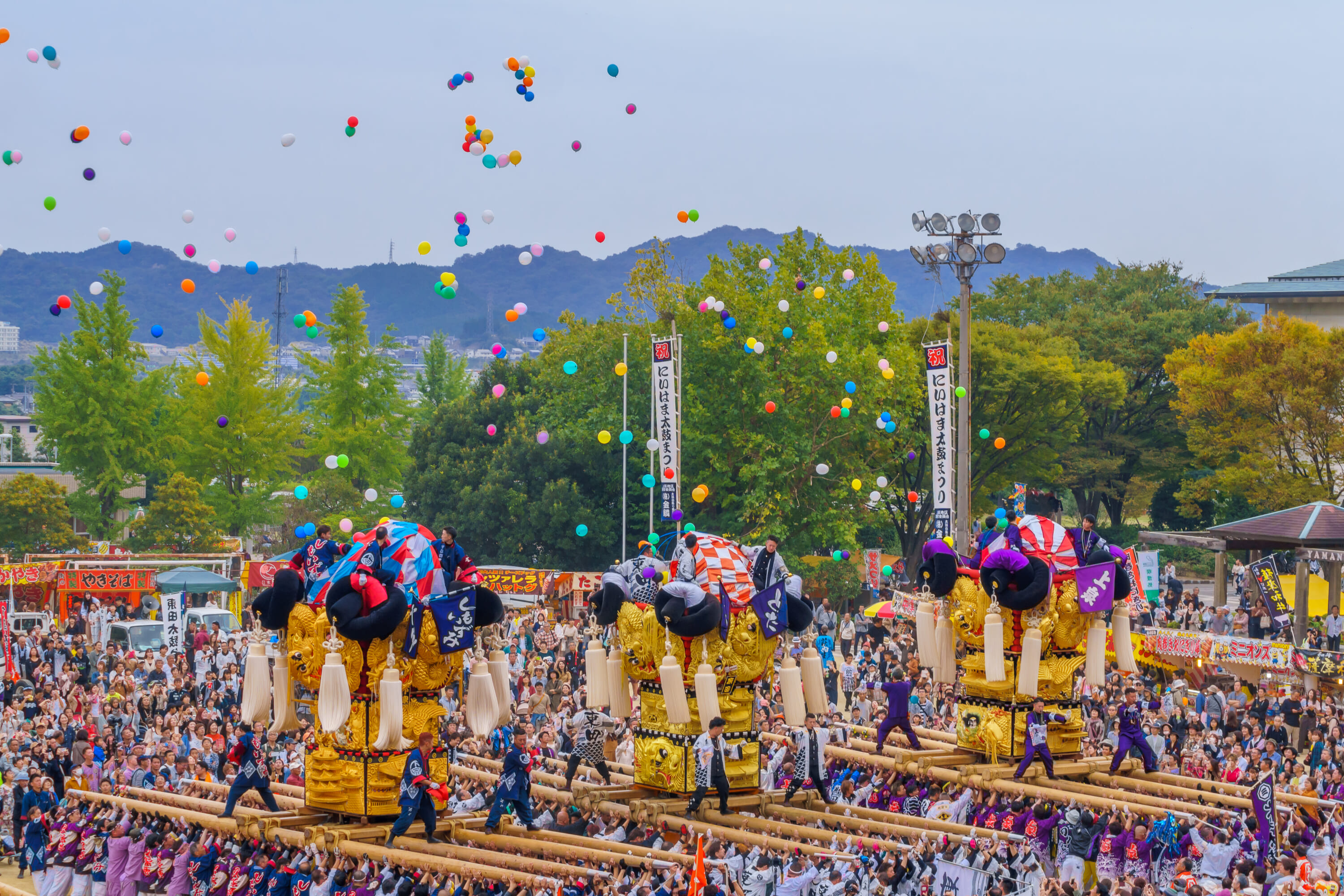
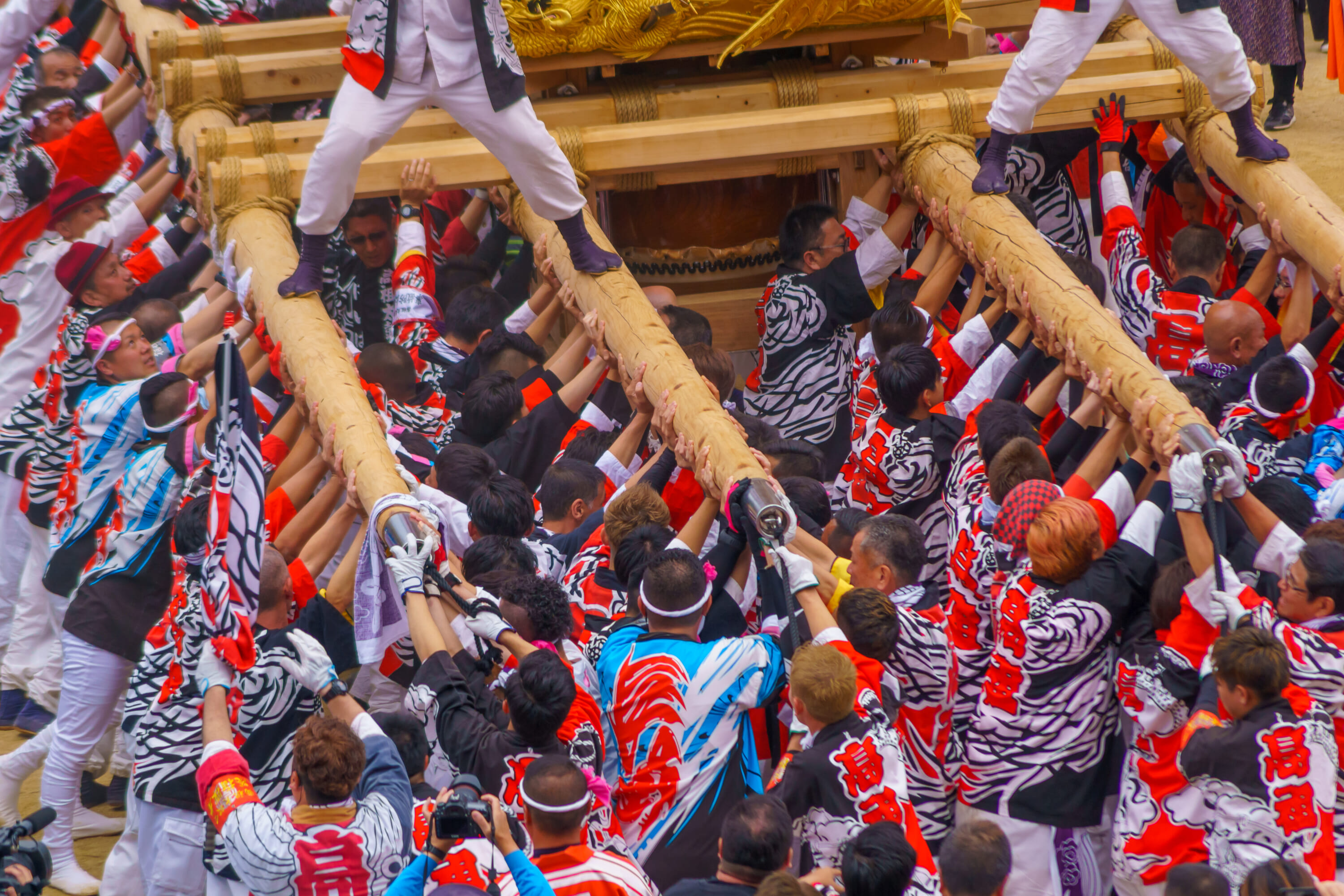
The Niihama Taiko Festival is an annual festival held in mid-October in Niihama, Ehime Prefecture. Known as one of Shikoku’s three great festivals, the 1,000-year-old event features dozens of massive, gold-embroidered floats called taiko-dai. Each taiko-dai weighs around three tons and is carried by teams of up to 150 men.
The main spectacle is the kakikurabe, a powerful contest where the teams compete to lift their floats as high as possible. The festival is also known for its intense and sometimes violent hachiawase or intentional collisions of the floats — a boisterous tradition that borders on dangerous.
Related Posts