Pan dorobo japan's bread-stealing mouse
Source image courtesy of PR Times, edited by Aya Sato

大人気絵本『パンどろぼう』日本中が夢中になる理由

人間と擬人化された動物たちが共存する、ある田舎町のパン屋。一見、平和な光景。しかし、そこには異様なものが。並んでいるパンの一つに、手足と顔がついているのです。周囲をうかがう不審な表情。そして辺りに誰もいないことを確認するやいなや、仲間のパンを抱えて外へと逃走します。しかし、それはパンではありません。パンの被り物をしたネズミだったのです。今まさに、その店は「パンどろぼう」の被害に遭ったところでした。

これは、公開からわずか4週間で約32万回再生を記録した、近日公開予定のプロジェクト『パンどろぼう』アニメ版のティザー予告の一幕です。10月に放送開始を控えるこのアニメは、日本中を席巻している「パンどろぼうマニア」の最新ステージと言えるでしょう。なぜ、この国は泥棒を働くネズミの物語にこれほどまで執着するのでしょうか?その真相を探ってみましょう。

"Pan Dorobo" author Keiko Shibata at a fan club event in Tokyo

東京でのファンイベントに登壇した『パンどろぼう』の著者、柴田ケイコ氏 | Image courtesy of PR Times

パンどろぼうの台頭:日本における空前のブームを読み解く

パンどろぼうは、柴田ケイコ氏による子ども向けの絵本としてスタートし、瞬く間にヒット作となりました。2020年にKADOKAWAから第1巻が刊行されて以来、シリーズ累計発行部数は2023年までに300万部を超え、2025年には450万部へと急増。現在、令和時代(2019年〜現在)において最も売れている日本の子ども向け絵本シリーズとなっています。 

「カワイイ」と「ネオ・カワイイ」の境界線上で

近年の現象であるにもかかわらず、パンどろぼうには、まるで流行に左右されない20世紀の古典のような、オールドスクールな趣があります。それは「可愛らしさ」と「時代を超越した魅力」を兼ね備えた、世界的なトレンドである「ネオ・カワイイ」の定義そのものです。そして、最後におそらく最も重要な要素は、大人をも惹きつけるエッジが効いている点でしょう。

ネオ・カワイイとは進化し続けている概念ですが、一言で言えば、従来の「無害で無邪気な可愛さ」という枠を超え、アイロニーやファッション、現実世界の諸問題といった、より大人びた領域へとその概念を広げようとする試みです。例えば、ベアブリックやラブブのコレクターズアイテムが挙げられます。これらは子供向け玩具のような外見を持ちながら、アートや自己表現として大人たちに受け入れられています。パンどろぼうは完全にそのカテゴリーに属しているわけではありません。主な読者層は子どもたちです。しかし、「泥棒」を物語のメインテーマに据えるという、どこか人を食ったようなユーモアが、大人たちの心にも確実に響いているのです。

A page from the picture book Pan Dorobo vs. Nise Pan Dorobo

絵本『パンどろぼう vs にせパンどろぼう』の一場面 | Image courtesy of PR Times

単なる「生煮え」の犯罪ファンタジーではない魅力

主人公のパンどろぼうは最終的に改心して真っ当な道を歩みますが、その後のシリーズでは別の仮装した強盗たちが登場します。これは読者に、一種の心地よい現実逃避を提供しています。主要なキャラクターが厳密には犯罪者でありながら、リスクは低く、トーンは一貫してコメディであるという世界観です。そこでの罪は滑稽で血の通ったものであり、修正可能です。重大な悪事というよりは、いたずら好きな振る舞いとして描かれています。落ちていた少額の現金ですら警察に届けなければ「遺失物横領罪」という罪になりかねない日本の厳格な社会において、こうしたテーマが大人の心をも掴むのは、決して不思議なことではありません。

誤解のないように言っておきますが、パンどろぼう の物語が盗みを推奨しているわけではありません。現実の世界で窃盗が称賛されるべき、あるいは報いがないものであるという示唆は、作品のどこにもありません。同時に、これらの物語は堅苦しい道徳劇でもありません。説教臭い教訓を垂れるのではなく、空想という安全な環境の中で、ルールを破るスリルを(それを是認することなく)楽しませてくれるのです。また、パンどろぼうが空腹から盗むのではなく(もしそうなら、もっと深刻な話になっていたでしょう)、パンへの「愛」ゆえに盗むという設定も、読者を惹きつける一因となっています。
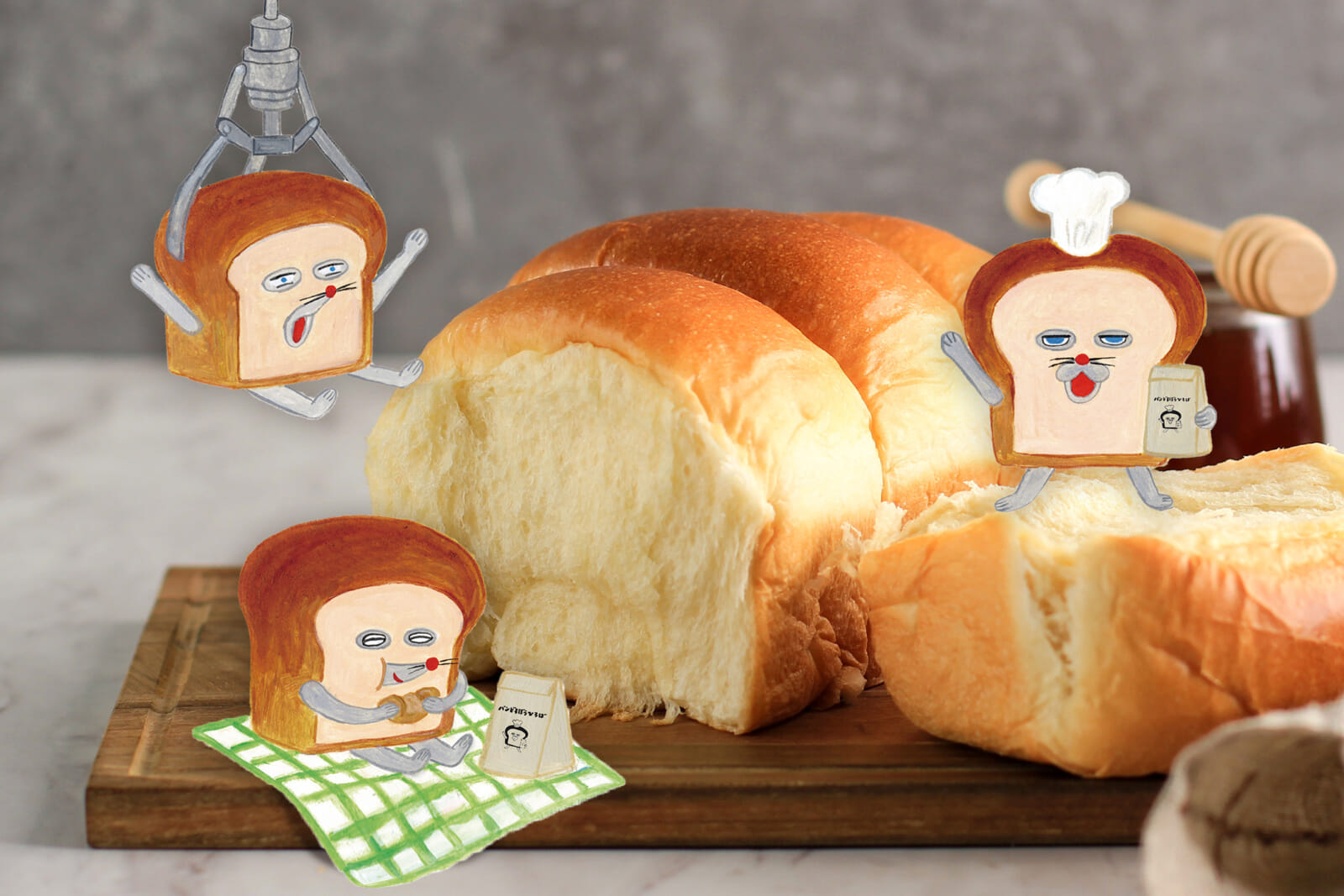
pan dorobo japan's bread-stealing mouse

パンどろぼうは「食パン」が大好き | Source image courtesy of PR Times, edited by Aya Sato

パン:愛の言語

バッグやその他のアクセサリーなど、子供だけでなく大人もターゲットにしたグッズ展開の中で、最も頻繁に目にされるデザインの一つがあります。それは、パンどろぼうが目を閉じ、被り物をした顔にこの上ない至福の表情を浮かべてパンを抱きしめている姿です。これこそが、パンどろぼう が幅広い層に支持される理由を解き明かす鍵となります。すべては、パンへの愛から始まっているのです。

パンは明治時代(1868年〜1912年)から日本で広く食べられてきましたが、21世紀に入ってその人気は爆発しました。日本のパン市場は2兆円近い規模に達しています。ある調査では、回答者の約50%が「ほぼ毎日パンを食べる」と答えています。しかし、日本に住んでいる方ならご存知のように、日本のパンは欧米のそれとは少し異なります。

欧米風のパンも比較的容易に見つかりますが、日本人が最も好むのは、柔らかく、ふわふわで、しっとりとしたパンです。例えば、外国人が「まるでお菓子のようだ」と表現することもある 食パン がその代表格です。日本のパンが「本物」のパンかどうかについては意見が分かれるかもしれませんが、それが極上のコンフォートフード(安らぎを与える食べ物)であることは否定できません。日本のような国において、パンが「喜び」の象徴となるのは、ごく自然なことだと言えるでしょう。

パンどろぼうは、そうした感情を刺激します。本を読んでいる時、子供たちは面白い格好をした愉快なネズミのごっこ遊びのようないたずらを見て楽しみ、大人たちもまたそれを楽しみます。しかしその根底には、柔らかくて温かい、美味しいパンに対する、パンどろぼうの隠しきれない、純粋な「愛」を感じ取っているのかもしれません。このキャラクターは、意図的かどうかにかかわらず、人生のささやかな楽しみに対する、すがすがしいほど恥じらいのない情熱を体現しています。そして大人たちは、日々の暮らしを支えてくれるのはそうした小さな喜びであることを知っているからこそ、瞬時に反応してしまうのです。

これらすべての要素が合わさり、子供と大人の両方に喜びと笑い、そして心温まる感覚と一種の社会的解放感を与えるキャラクターが誕生しました。パンどろぼう の成功は、第1巻が書店の棚に並んだ瞬間に、すでに約束されていたと言えるでしょう。


この記事は、による英語の原文を翻訳・編集したものです。

Pan dorobo japan's bread-stealing mouse
Source image courtesy of PR Times, edited by Aya Sato

為何《麵包小偷》能讓全日本瘋狂?人氣繪本爆紅背後的秘密

在人類與擬人化動物共存的鄉下小鎮裡,有一家看似平凡的麵包店。然而,在陳列架上的麵包之中,卻混進了一個詭異的存在——一塊長著手腳與表情的麵包。

牠鬼鬼祟祟地觀察四周,確認沒人後,立刻抱起其他麵包逃跑。然而,那其實根本不是麵包,而是一隻戴著吐司頭套的老鼠。就在剛剛,這家店成了「麵包小偷」的受害者。

這一幕,正是即將推出的《麵包小偷》動畫版預告中的片段。預告公開短短四週便突破 32 萬次播放,而預計於 10 月開播的動畫,也被視為席捲全日本的「麵包小偷熱潮」最新階段。

究竟,為什麼日本人會如此沉迷於一隻偷麵包的老鼠?

"Pan Dorobo" author Keiko Shibata at a fan club event in Tokyo

《麵包小偷》的崛起:日本史無前例的繪本熱潮

麵包小偷 最初是由 柴田惠子 創作的兒童繪本,卻在短時間內迅速爆紅。

自 2020 年由 KADOKAWA 推出第一集後,截至 2023 年系列累積銷量已突破 300 萬冊,到了 2025 年更暴增至 450 萬冊,成為令和時代(2019 年至今)最暢銷的日本兒童繪本系列之一。

介於「可愛」與「新可愛」之間的魅力

雖然《麵包小偷》是近年的作品,但它卻帶有一種彷彿 20 世紀經典童書般的復古氣質。這也正好呼應近年全球流行的「Neo Kawaii(新可愛)」美學——既保有傳統可愛元素,同時又帶有超越時代的魅力。

而最重要的是,它還擁有能吸引成年人的「怪趣味」。

所謂「新可愛」,簡單來說,就是不再只是單純無害、天真的可愛,而是加入諷刺感、時尚感,甚至現實世界的灰色地帶。例如近年熱門的 BE@RBRICK 或 Labubu 等收藏玩具,雖然外觀看似兒童玩具,卻同時被大人視為藝術與自我表達的一部分。

《麵包小偷》雖然不完全屬於這類型,但它以「小偷」作為主角設定,本身就帶著一種荒謬又帶點黑色幽默的氣質,也因此意外打中成年讀者。

A page from the picture book Pan Dorobo vs. Nise Pan Dorobo

 Image courtesy of PR Times

不只是兒童版犯罪幻想

故事中的麵包小偷最終會改邪歸正,但後續系列仍不斷出現新的變裝盜賊角色。

這種設定,某種程度上提供了讀者一種輕鬆的現實逃避。角色雖然 technically 是犯罪者,但整體世界觀始終低風險、充滿喜劇感。書中的「罪行」滑稽又有人味,與其說是重大犯罪,更像淘氣惡作劇。

在日本這種高度重視規則的社會裡,就連撿到少量現金不送警局,都可能被視為「侵占遺失物」。因此,這種安全又無傷大雅的「違規感」,其實也讓許多成年人產生共鳴。

當然,《麵包小偷》並不是在鼓勵偷竊。作品從未美化現實犯罪,也沒有傳達「偷東西不需要付出代價」的訊息。

但它同時也不是一本充滿說教意味的道德教材。

比起教訓孩子,它更像是在幻想世界中,讓人短暫享受「打破規則」的刺激感。而且,麵包小偷並不是因為飢餓才偷東西,而是因為「太愛麵包」,這也讓角色變得更加討喜。

pan dorobo japan's bread-stealing mouse

Source image courtesy of PR Times, edited by Aya Sato

麵包:日本人的情感語言

在《麵包小偷》的各種周邊商品中,最常見的設計之一,就是主角閉著眼、露出幸福表情、緊緊抱著吐司的模樣。

而這,其實正是《麵包小偷》能夠跨年齡爆紅的關鍵。

因為,一切都來自對麵包的愛。

雖然麵包自明治時代起便已在日本普及,但真正的大爆發其實是在 21 世紀之後。如今,日本麵包市場規模已接近 2 兆日圓。有調查指出,約半數日本人幾乎每天都會吃麵包。

而熟悉日本飲食文化的人都知道,日本的麵包與歐美截然不同。

日本人偏愛的是柔軟、濕潤、蓬鬆的口感。例如經常被外國人形容「像甜點」的日式吐司(食パン),就是代表之一。

或許有人會爭論那是否算「真正的麵包」,但不可否認的是,它早已成為日本最重要的 comfort food 之一。

在這樣的文化背景下,麵包自然也成了「幸福感」的象徵。

《麵包小偷》正是抓住了這份情感。

孩子們會被那隻奇怪又搞笑的老鼠吸引,大人們則從角色對麵包毫不掩飾的熱愛中,看見一種對生活小確幸的純粹執著。

某種程度上,麵包小偷象徵的,其實是「毫不害羞地熱愛某件小事」的能力。而成年人之所以會被它打動,或許正因為大家都明白——真正支撐日常生活的,往往正是這些微不足道的小快樂。

也因此,《麵包小偷》才能同時帶給孩子與大人歡笑、療癒感,以及一種微妙的情緒解放。

從第一集擺上書店那一刻開始,它的成功,其實早已註定。


本文翻譯與編輯自 的英文原文。

Pan dorobo japan's bread-stealing mouse
Source image courtesy of PR Times, edited by Aya Sato

Pan Dorobo: Why Japan Is Obsessed with This Bread-Stealing Mouse

A small-town bakery in a world populated by humans and anthropomorphic animals. All seems well at first glance. But then you see it. One of the loaves of bread has limbs and a face. A shifty-looking face that scopes out its surroundings and, after confirming that the coast is clear, bolts out the door carrying its bread brethren. But it’s not a loaf of bread at all. It’s a mouse in a bread costume. The bakery has just been hit by the Pan Dorobo (Bread Thief).

That’s the teaser trailer for the upcoming Pan Dorobo anime, which was viewed nearly 320,000 times in its first four weeks. Set to premiere in October, the anime is the latest stage of a Bread Thief mania that’s been sweeping Japan. Why is the country obsessed with the story of a thieving rodent? Let’s find out.

"Pan Dorobo" author Keiko Shibata at a fan club event in Tokyo

“Pan Dorobo” author Keiko Shibata at a fan club event in Tokyo | Image courtesy of PR Times

Rise of the Bread Thief: Decoding Japan’s Pan Dorobo Mania

Pan Dorobo started out as a children’s picture book by Keiko Shibata and was an instant hit. After Kadokawa published the first volume in 2020, the Bread Thief series sold over 3 million copies by 2023, a figure that soared to 4.5 million in 2025. The franchise is currently the best-selling Japanese children’s book series of the Reiwa period (2019–present). 

On the Border of Kawaii and Neo-Kawaii

But despite being a recent phenomenon, Pan Dorobo has an old-school quality to it — like a 20th-century classic that’s never gone out of style. It’s the very definition of cutesy and timeless, two important characteristics of a global trend known as “neo-kawaii.” Its final and arguably most important element? An adult edge.

Neo-kawaii is an evolving concept, but in a nutshell, it’s an attempt to expand the idea of “cuteness” beyond its original inoffensive and harmless boundaries into more adult territory like irony, fashion and real-world issues. Examples include the Bearbrick and Labubu collectibles: toy-like figures embraced by adults that blend childlike aesthetics with art and expressions of personal identity. Pan Dorobo isn’t fully in that category; its primary audience is kids. But adults are definitely responding to it, possibly because of the tongue-in-cheek centering of theft as the book’s main theme.

A page from the picture book Pan Dorobo vs. Nise Pan Dorobo

A page from the picture book “Pan Dorobo vs. Nise Pan Dorobo” | Image courtesy of PR Times

More Than Just Half-Baked Crime Fantasies

The titular Bread Thief does ultimately reform and go straight, but later books introduce other costumed bandits. This presents readers with a form of cozy escapism: a world where the main characters are technically criminals, yet the stakes remain low and the tone firmly comedic. The crimes are silly, bloodless and correctable, framed more as mischievous antics than genuine wrongdoing. It’s not surprising that such themes would find an adult audience in Japan’s strict society, where even not turning over small amounts of found money to the police is technically a crime: embezzlement of lost property.

To be clear — none of the Pan Dorobo books celebrate stealing. There is absolutely no suggestion anywhere in them that theft is admirable or consequence-free in real life. At the same time, the stories aren’t rigid morality tales either. Rather than delivering heavy-handed lessons, they invite readers to enjoy the thrill of rule-breaking — without endorsing it — in the safe environment of make-believe. It also helps that the Bread Thief doesn’t steal out of hunger (because that would have been a whole other can of worms) but rather out of LOVE.

pan dorobo japan's bread-stealing mouse

Pan Dorobo loves “shokupan” milk bread | Source image courtesy of PR Times, edited by Aya Sato

Bread: The Language of Love

One of the most frequently seen depictions of the character in merchandising — which is aimed as much at adults as at kids, with bags and other accessories — is the Bread Thief with his eyes closed, a look of utter serenity on his masked face, hugging a piece of bread. This is the key to understanding the crossover appeal of Pan Dorobo: It all starts with bread.

Bread has been eaten widely in Japan since the Meiji period (1868–1912), but it has absolutely exploded in popularity in the 21st century. The Japanese bread market is worth nearly ¥2 trillion. In one survey, close to 50% of respondents said they ate bread almost every day. But as you may know if you’ve lived in the country, Japanese bread is a little different from the Western variety.

The latter is relatively easy to find here, but the kind that Japanese people like the most is soft, fluffy and moist, like shokupan milk bread, which some foreigners describe as almost cake-like. But while not everyone agrees that Japanese bread is “real” bread, they can’t deny that it’s really great comfort food. It’s easy to see how, in a country like Japan, bread could become a symbol of, well, joy.

The Bread Thief taps into those feelings. When reading the books, kids see a funny mouse in a funny costume engaging in some pretend mischief, and adults enjoy that as well. But underneath that, they may also feel the Bread Thief’s open, unrestrained LOVE for soft, warm, delicious bread. The character, whether intentionally or not, embodies a refreshingly unashamed passion for the small pleasures of life, and adults instantly respond to it because it’s the little pleasures that keep us going.

Put it all together, and you have a character that appeals to both younger and older readers, giving them joy, laughs, a warm, fuzzy feeling inside and a kind of social release valve. The success of Pan Dorobo was basically guaranteed the moment the first book hit the shelves.

Related Posts