Seeing anime and movie locations in real life is a fun and exciting way to explore different neighborhoods, as artists really do include details that match real-life locations. Recognizing such details makes it feel as though you’ve stepped into the animated world.
The Kichijoji and Mitaka neighborhood, just 20 minutes from the actual Studio Ghibli office and brimming with the serenity and fantasy of the animation studio’s works, is the perfect place to delve into the world of real-life anime settings. With artsy cafés, tranquil parks and retro-style shopping districts, Kichijoji has often been rated one of Tokyo’s most desirable places to live. And even if not everything is explicitly Ghibli-branded, you can still find many fun places to check out that give off the same fairytale-like vibes as the films.
Read on for our guide to a Ghibli-inspired day exploring Kichijoji through animated eyes.
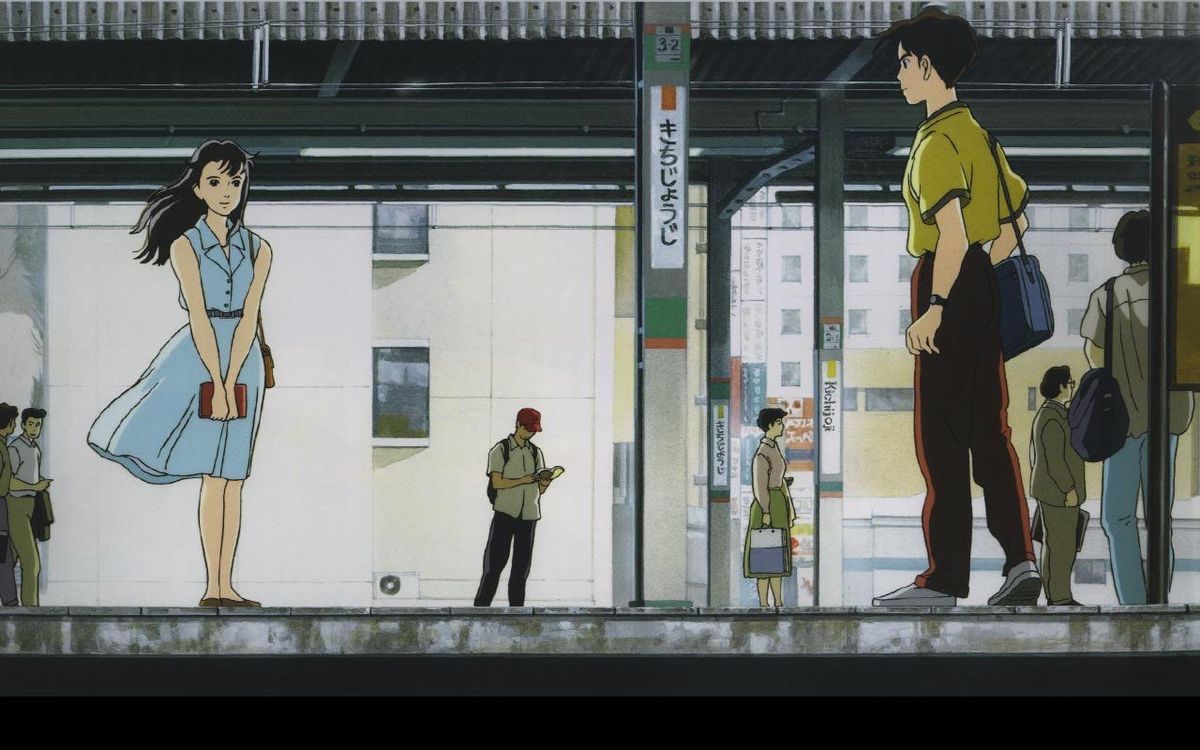
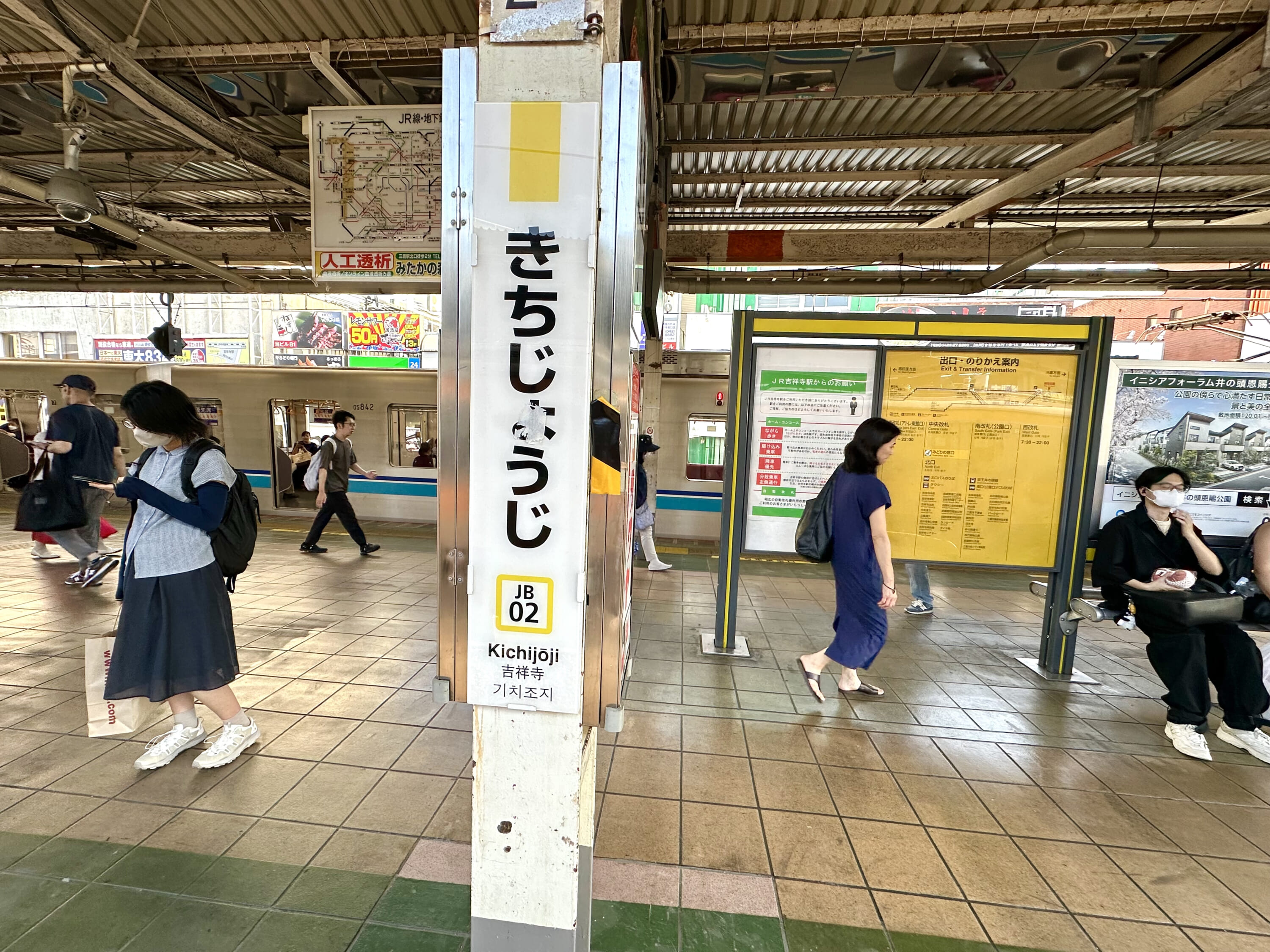
Start your day right by arriving via Kichijoji Station. Though it’s often not the first film that comes to mind when you think of Studio Ghibli, Umi ga Kikoeru (Ocean Waves) boasts opening and ending scenes that take place at this Chuo and Sobu Line station. Most of the movie, which revolves around a love triangle that develops between two good friends, Taku Morisaki and Yutaka Matsuno, and Rikako Muto, a new girl who transfers to their high school from Tokyo, is set in Kochi city as a story told in flashbacks.
But at Kichijoji Station, after not seeing each other for many years, Taku and Rikako serendipitously reunite after making eye contact across train platforms. It’s then that Taku realizes he’s always been in love with her.
Ghibli Museum
From Kichijoji Station, take the park exit for a scenic walk through Inokashira Park to the Ghibli Museum, Mitaka. Opened in 2001, the Ghibli Museum is three floors of magic that adults and children alike can enjoy.
Video recording and photography aren’t permitted inside the museum, and while that may be bad news for fans, the rule is there to preserve Studio Ghibli’s philosophy of being present and enjoying life’s smaller but precious moments.
The museum has various exhibits that demonstrate the animation process and illustrate the illusions and science behind it. From zoetropes to animation cels, visitors can see the extensive labor and artistry required to create a Ghibli film. Whereas many other studios in the industry have opted to use more computer-generated imagery for faster and more convenient filmmaking, Studio Ghibli is still largely traditional, with hand-painted scenery and thousands and thousands of paper sketches. You’ll be able to flip through big binders of storyboards to see how the initial concepts were translated to the big screen.
Included with your ticket is one admission to the Saturn Theater, where you can watch short films exclusively released for screenings at the museum; as there are no DVDs or online copies, this is your only chance to see these films. A total of 10 films ranging in length from nine to 16 minutes play on rotation each month. One of the films, Mei and the Baby Cat Bus, serves as a mini sequel to the heralded My Neighbor Totoro.
Visit the Straw Hat Café for sandwiches, desserts and drinks. The café even has its own original beer inspired by Valley of the Wind. The beer label was illustrated by Goro Miyazaki, Hayao Miyazaki’s son.
Despite Totoro himself waiting behind the counter of the ticket office, on-site tickets are no longer available. To visit the museum, you’ll need to purchase your tickets in advance. Online ticket sales open at 10:00 am on the 10th day of every month. Ticket sales are highly competitive, so you’ll want to have your computer ready to head straight into the queue. For ticket prices and other information, visit the website.
Inokashira Park
While at Inokashira Park, continue exploring the 95-plus acres of beautiful scenery. Ghibli’s use of nature goes deeper than just serving as a mere background for the plot. The natural world’s lushness is a symbol of infinite possibility, and its bold color is the incomparable beauty of our shared home that needs to be cherished and protected.
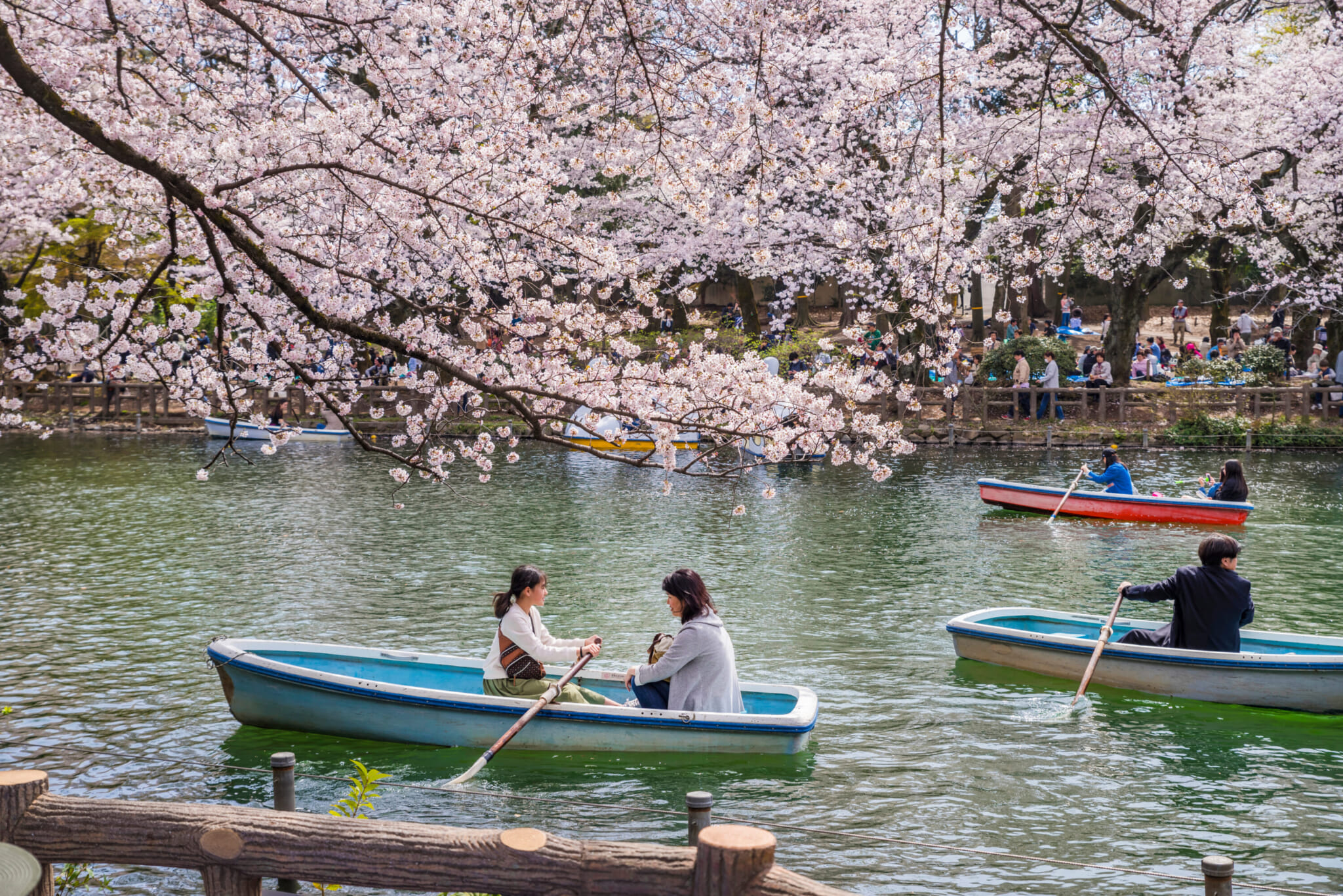
The park, which has a history of over 100 years, was a gift from the emperor to the people. It has playgrounds, gardens, a pond and even a zoo — the Inokashira Park Zoo and Aquatic Life Park — which features over 170 animal species, with a special focus on creatures native to Japan such as the Japanese squirrel and serow. The over 20,000 trees at the park change with the seasons and add colorful accents to the pond’s shoreline, with delicate sakura blossoms in spring and fiery foliage in fall. Rent a rowboat or swan boat and paddle across Inokashira Pond for a relaxing experience — though the swan boats are harder to control than they look.
Because of its proximity to the Ghibli Museum, you’ll often encounter street performers playing Studio Ghibli music. Many visitors grab a drink from the nearby cafés or vending machines and sit down on the benches to listen to their favorite Joe Hisaishi scores played on the violin.
Shirohige’s Cream Puff Shop
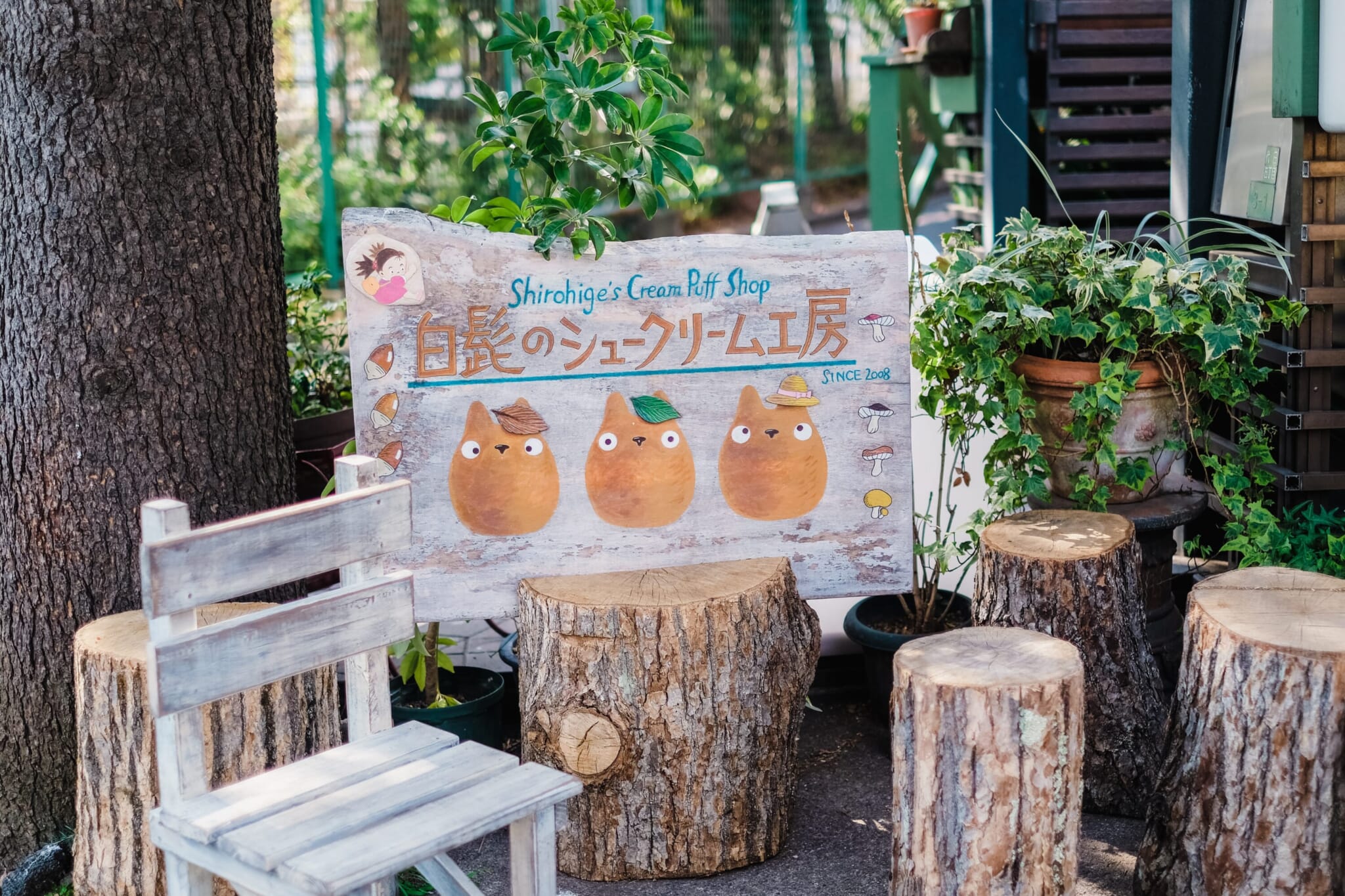
Shirohige’s Cream Puff Shop is a cozy bakery owned and operated by Hayao Miyazaki’s sister-in-law, and it’s the only one in Japan officially authorized to create Ghibli-inspired treats. You can see original artwork created by Miyazaki hanging on the walls, and the bakery’s “factory manager” pig mascot, Higejii, adds extra touches of whimsy.
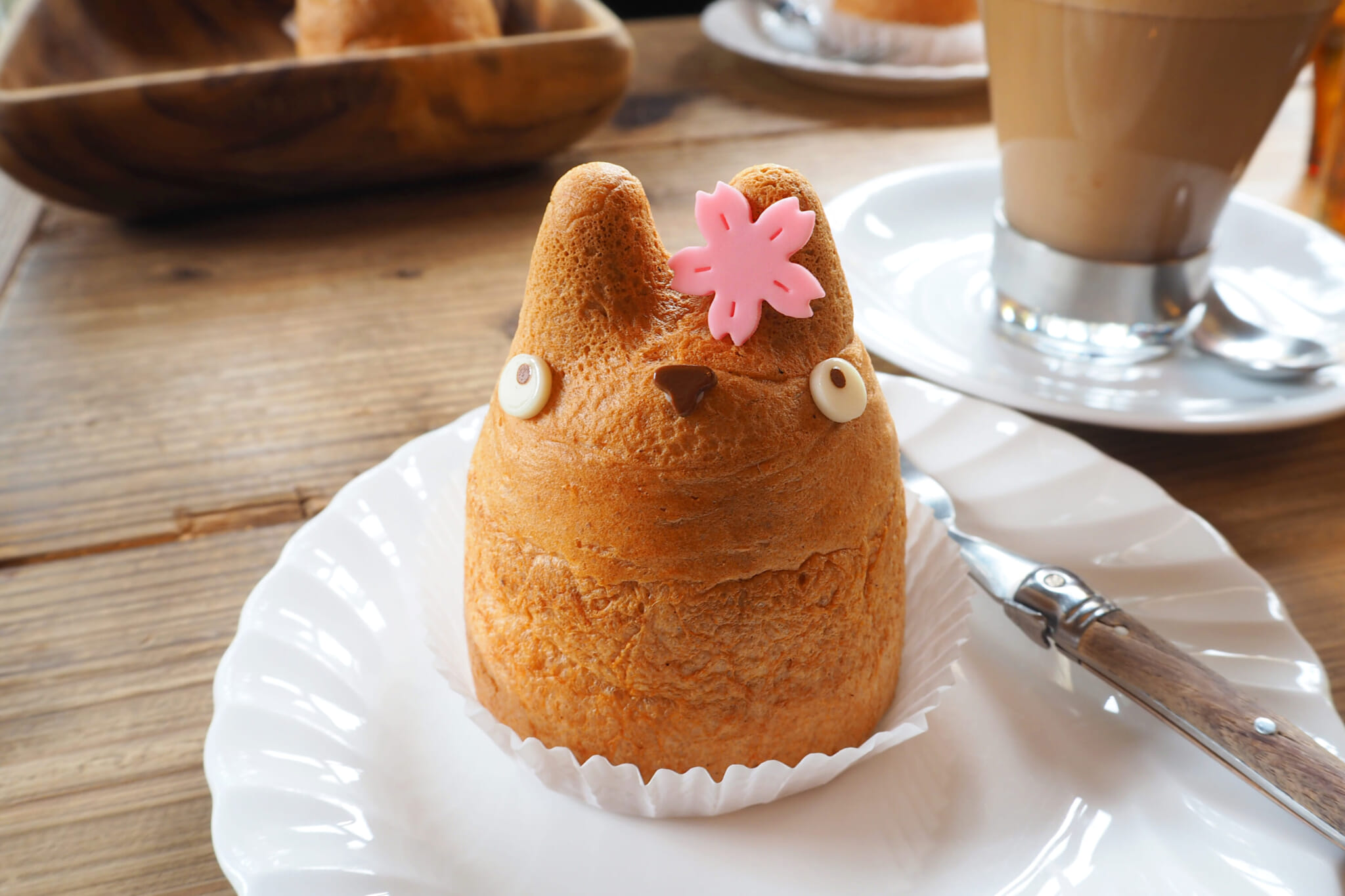
As its name implies, Shirohige’s signature item is the Totoro cream puff. These forest spirit-shaped choux pastries are filled with various flavors; you’ll find custard and fresh cream, as well as chocolate served year-round and special seasonal flavors like matcha, chestnut, caramel banana and raspberry and cream cheese. Each flavor is indicated by colored miniature hats and accessories on the Totoros’ heads.
The bakery’s menu offers other treats as well, including a limited number of Catbus raisin butter sandwich cookies. Seasonally, tasty creations such as Ponyo peach jelly are available. The shop’s delectable delights look like they jumped straight out of the movies with their intricate designs and are almost too cute to eat. You can also pick up a set of Totoro cookies packaged in a stunning box with illustrations of Totoro and Mei. The Mori no Omiyage(forest souvenirs) are small cookies shaped like mushrooms and acorns. For special occasions, consider ordering a whole Totoro cake. The strawberry shortcake is a classic Japanese sponge cake with whipped cream topped with a Totoro cream puff surrounded by juicy strawberries.
The Kichijoji bakery is for takeout only; there is no seating area, but you can take your Totoro to eat outside or at the benches of Inokashira Park. Note that the cream puffs sell out incredibly fast, so arrive early to ensure you score your Totoro. A second Shirohige Cream Puff Shop can be found in Setagaya, but since it’s bigger and has a café area for eat-in guests, it usually has more traffic, making the Kichijoji location the more peaceful option if you don’t mind taking your Totoro to go.
Corn Barley
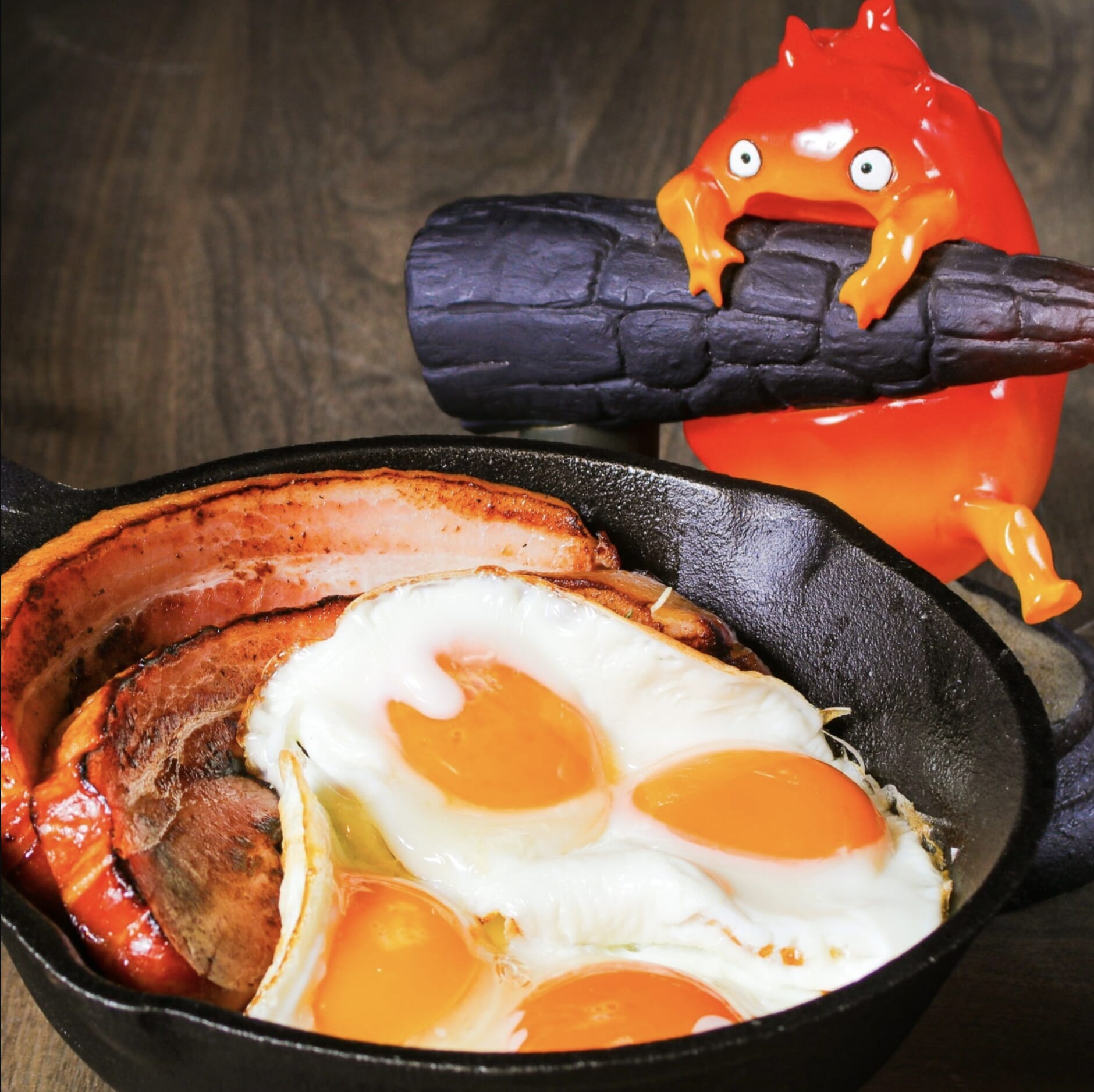
For many fans, Ghibli food is one of the best parts of the films. Studio Ghibli manages to draw the most scrumptious dishes that make us salivate just imagining what they taste like. Corn Barley, located a one-minute walk from the north exit of Kichijoji Station, is a European-inspired bistro that offers a Studio Ghibli course meal (advance reservations required). The meal pays homage to various Ghibli anime by recreating some of the most iconic as-seen-in-film dishes, including Calcifer’s bacon and eggs from Howl’s Moving Castle and the herring and pumpkin pie from Kiki’s Delivery Service.
Not only is the presentation of each plate artfully crafted to match each movie’s theme, but each course also comes with props like plushies and figurines to accompany your foodie shots. The warm retro atmosphere of the restaurant matches well with the Ghibli style. You can find various characters like Totoro, Mr. Dough from the Ghibli Museum exclusive short Mr. Dough and the Egg Princess and the Kashira heads from Spirited Away scattered throughout the dining room, sitting in chairs as if they were dinner guests.
Petit Mura
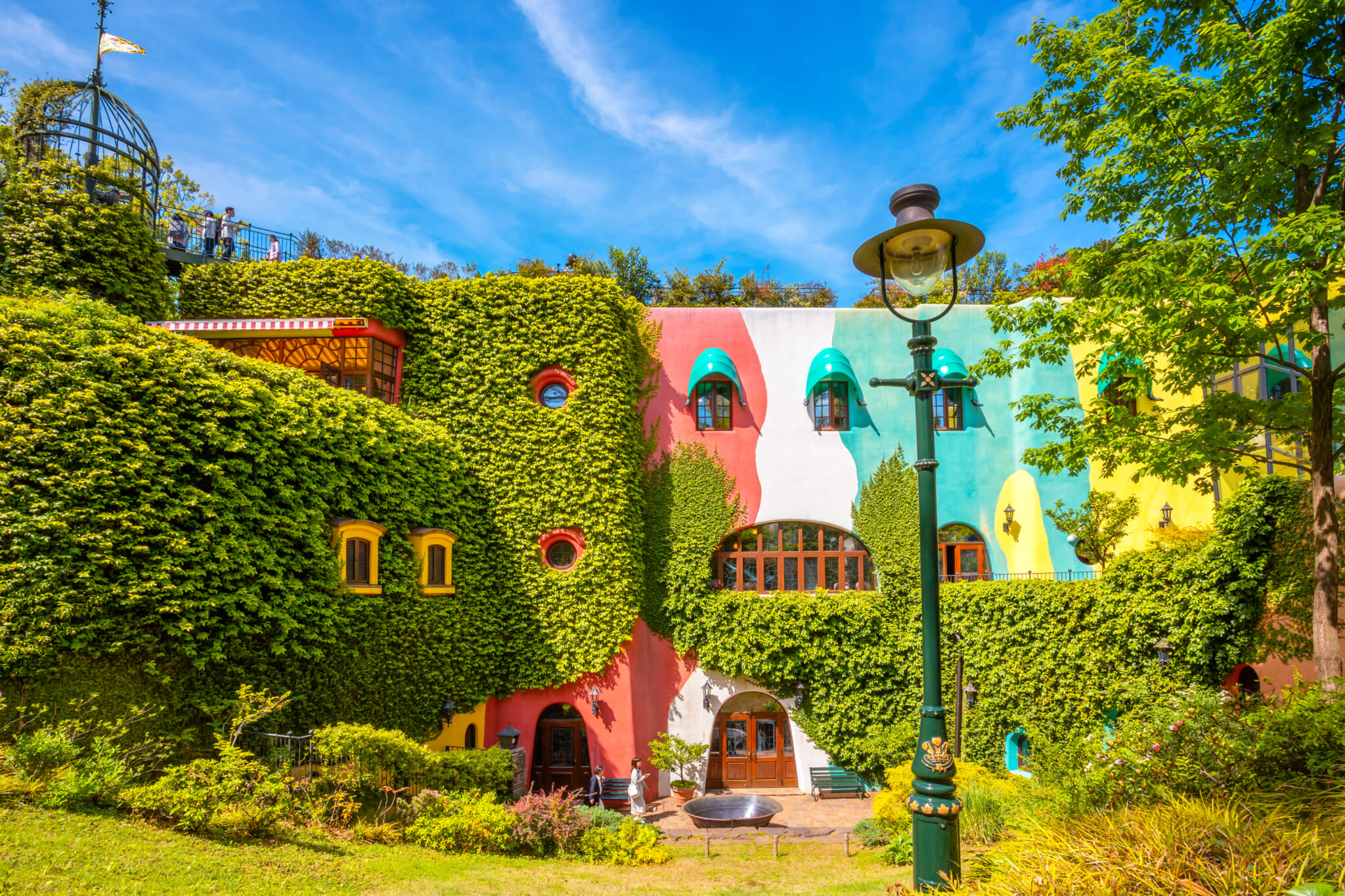
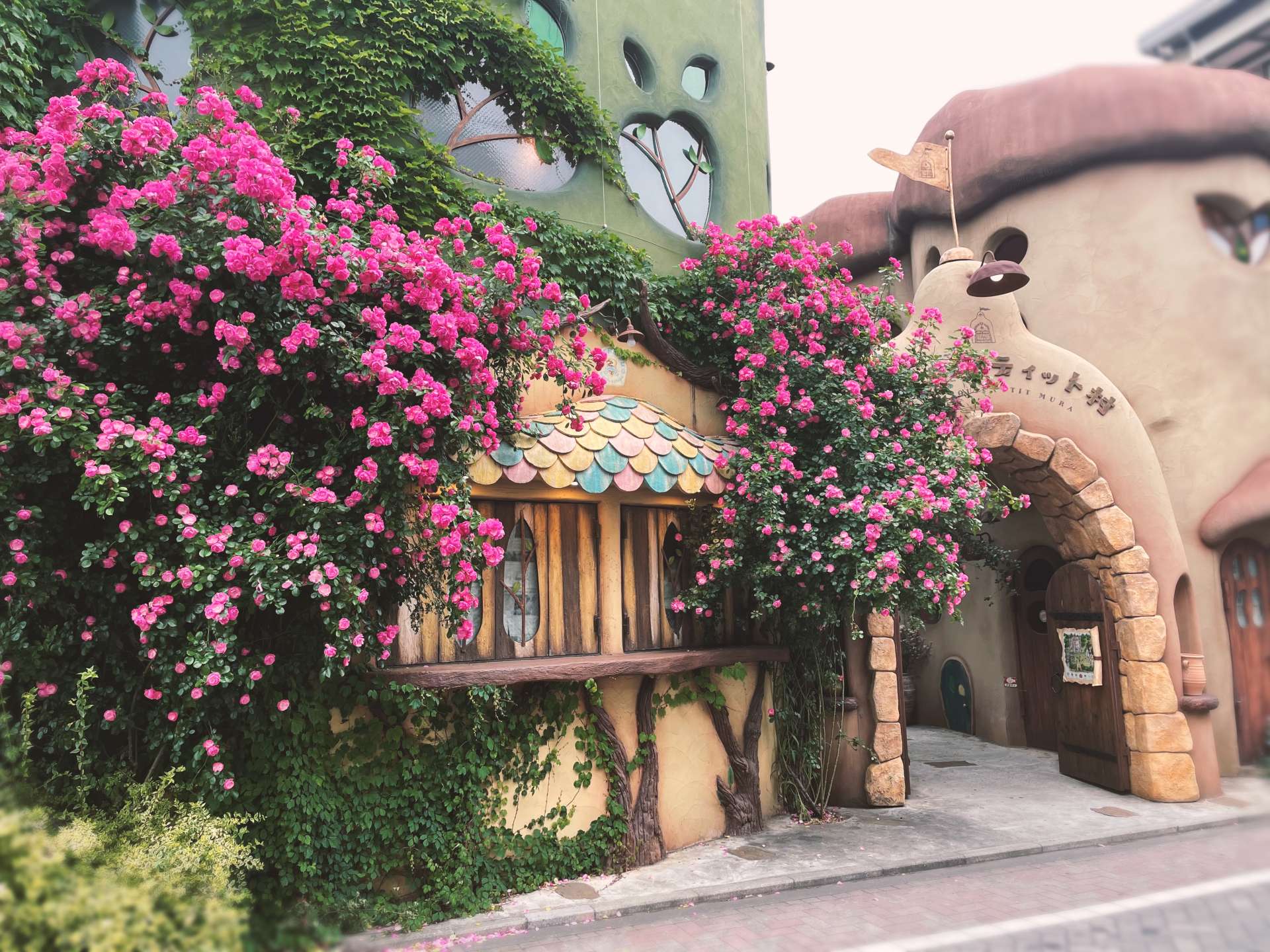
Petit Mura, just a 15-minute walk away from the Ghibli Museum, features enchanting architecture of colorful, uniquely shaped buildings covered in climbing vines that looks like a direct extension of the museum. The fairytales-and-cats-themed structure houses multiple cafés, art galleries and shops.
Cat-shaped water fountains and windows look into the Temari No Oshiro cat café, which is reminiscent of the cat kingdom from The Cat Returns. The café’s name translates to “Temari’s Castle,” and the concept is that cats built the castle to play in. Twenty-two kitties reside here with cute names like Milk, Inari and Jajamaru. The cat theme is present throughout the café, with paw-shaped windows and fishbone lamps. Unlike other cat cafés that typically charge by the hour or even half hour, Temari no Oshiro has a fixed-price admission, so you’re free to enjoy the cats as they roam freely without worrying about a ticking clock.
Tea House Happa’s various bubble-shaped windows and many hanging plants give the feeling of being shrunk down to the miniature world of Arrietty. This café serves tea, alcoholic drinks, light meals and desserts in a cozy, rustic fairy village-like ambience. As a teahouse, Happa specializes in offering 18 kinds of tea blends from herbal teas to fruit teas with dried fruits.