Hokuriku is a region where nature and cuisine are inseparably intertwined. Blessed with pure mountain waters, bountiful seas and a climate that nurtures traditional fermentation, this coastal area of Japan offers culinary experiences that cannot be replicated anywhere else.
From winter seafood feasts to regional fermented specialties, traveling through Toyama, Ishikawa and Fukui is a journey through flavors, tradition and culture.
Toyama Prefecture: Fresh From the Sea
Toyama Bay, renowned as one of Japan’s richest fishing grounds, is a sanctuary for seafood lovers. The bay’s deep-sea environment yields delicate and flavorful catches, with winter bringing prized delicacies such as snow crab and yellowtail. These seasonal offerings are not just meals; they are reflections of the region’s maritime climate and way of life.
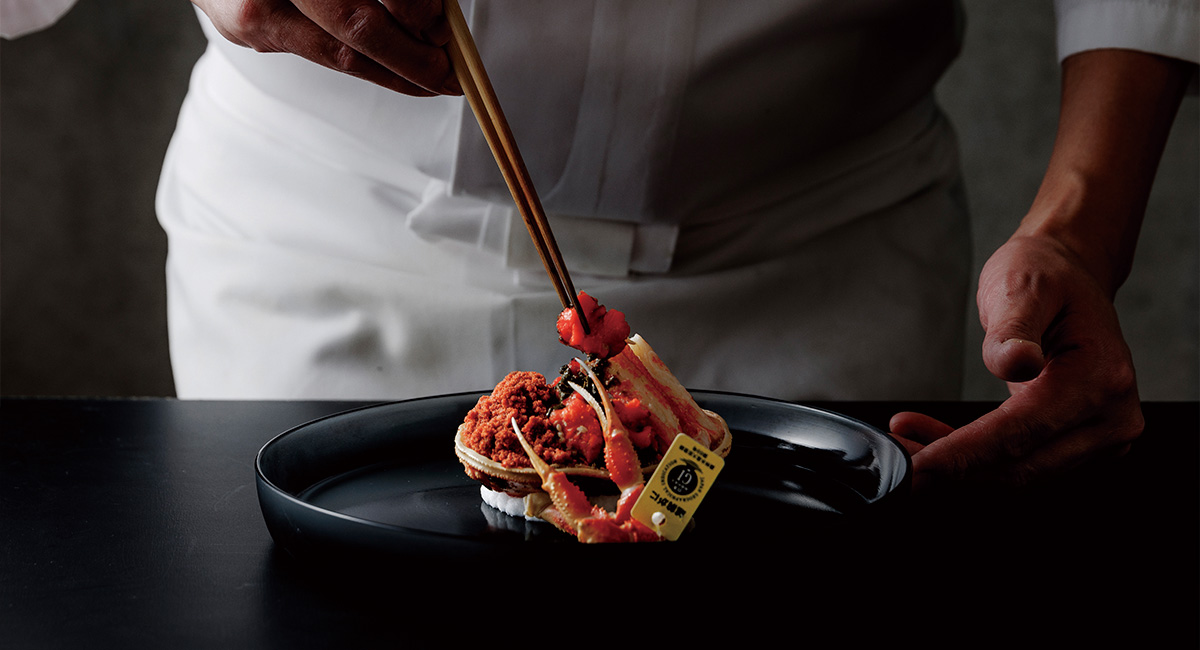
Among the standout seafood experiences is the renowned red snow crab, celebrated for its tender meat and subtle sweetness. Visitors can indulge in this delicacy at various local eateries, including Ebitei Bekkan, a restaurant acclaimed for its exquisite seafood dishes. (For more places where you can try red snow crab, click here.)
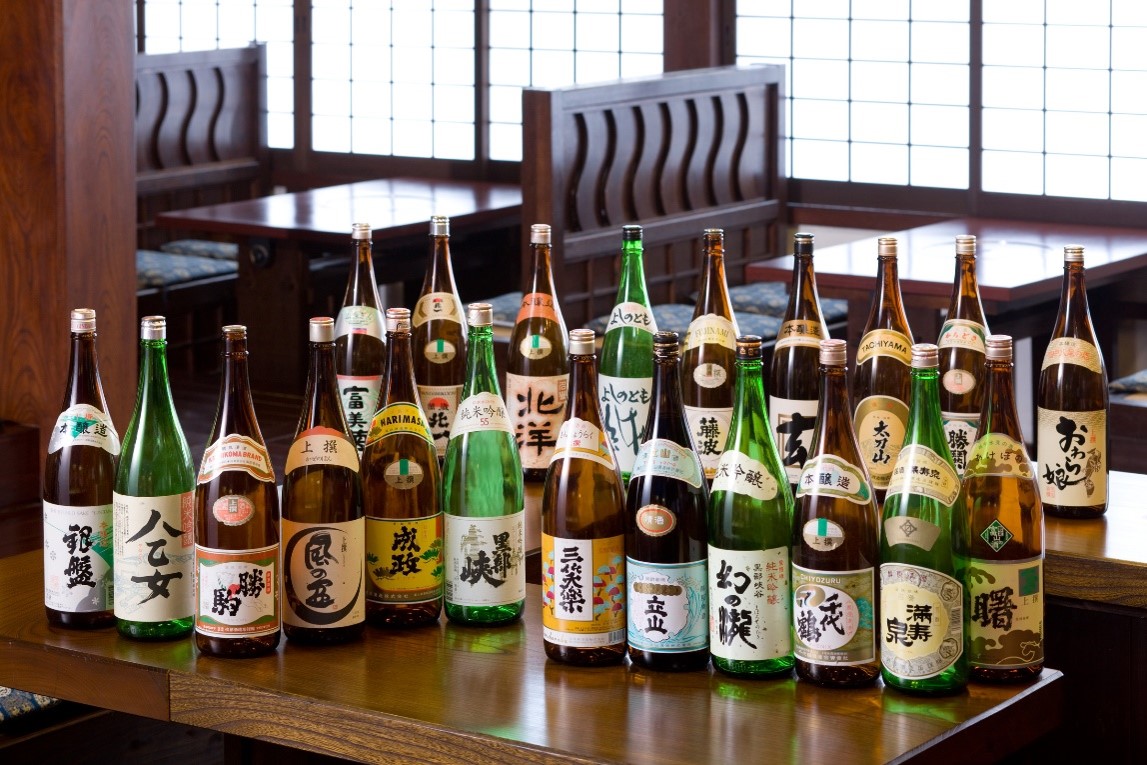
Complementing these oceanic delights is Toyama’s sake, crafted using the region’s pure mountain water. Breweries like Masuda Shuzo, known for its Masuizumi brand, offer smooth, clean flavors that enhance the natural taste of fish and shellfish.
Ishikawa Prefecture: Mountains, Water and Fermentation
Ishikawa’s snowy winters and pristine rivers create ideal conditions for sake brewing. The combination of pure water, cold climate and skilled craftsmanship has made Kanazawa and surrounding areas famous for their sake. Small local breweries produce nuanced flavors that pair perfectly with traditional regional dishes.
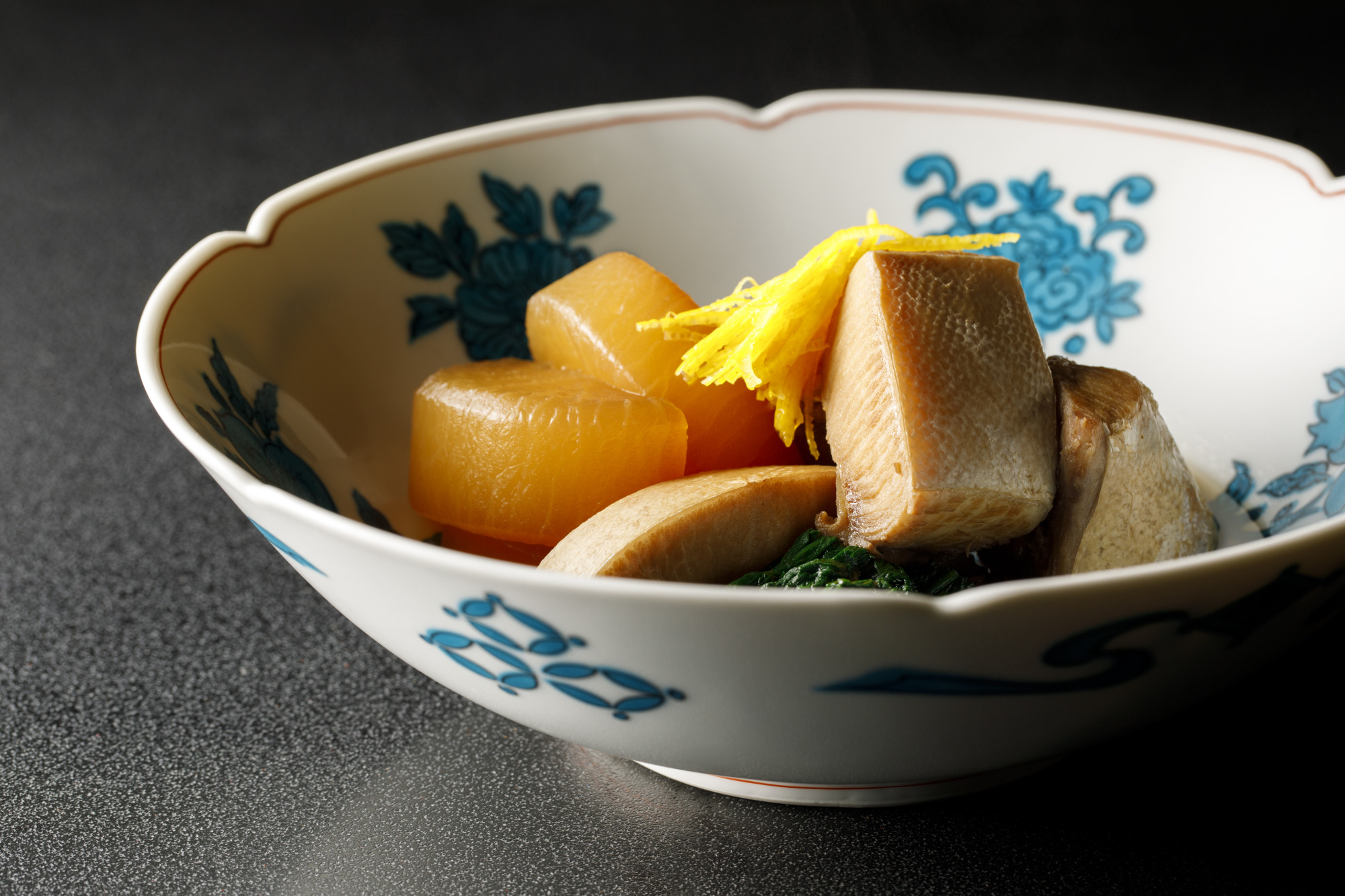
Winter specialties in Ishikawa showcase the region’s fermentation expertise. Kabura-zushi — slices of yellowtail fish carefully fermented — is a delicacy that embodies the subtle balance of preservation and flavor refinement. Visitors can sample these dishes at local eateries, many of which have been serving recipes passed down for generations.
Ishikawa also offers a chance to explore sake bars that elevate the tasting experience. Washu Bar Engawa in Kaga city, for example, is run by a sake sommelier and provides curated pairings with seasonal dishes, giving travelers a deeper understanding of how fermentation and regional ingredients converge.
Fukui Prefecture: Rice, Sake and Winter Seafood Royalty
Fukui is one of Japan’s most important rice-producing regions, and its abundance has fostered a thriving sake culture. Local breweries craft sake that reflects the richness of local rice and the purity of mountain waters. Each offers a unique experience, from tasting flights to guided tours that explain the delicate fermentation process behind every bottle.
Winter in Fukui is a festival of seafood. The famed Echizen crab, considered the king of winter delicacies, draws food enthusiasts from across the country. The snow crab’s sweet, rich flavor is celebrated in local markets, specialty restaurants and ryokan meals, often paired with sake brewed in the surrounding mountains. Wakasa blowfish and heshiko, a fermented fish specialty prepared over several months, further demonstrate the region’s mastery of preserving and enhancing natural flavors.
Dining in Fukui is not just about taste — it is a cultural ritual. Each dish reflects the region’s relationship with the land and sea, emphasizing seasonality and local tradition. Visitors can participate in tastings, cooking experiences and sake tours, making every meal an immersive exploration of Hokuriku’s culinary heritage.
Hokuriku: A Region of Fermentation and Flavor
What sets Hokuriku apart is its harmony of environment, craftsmanship, and taste. Mountain waters, fertile lands and abundant seas have fostered a culture of fermentation — from sake to pickled fish — that enhances the natural flavors of each ingredient. For travelers seeking a deep, authentic taste of Japan, Hokuriku is a destination where cuisine itself is an unforgettable experience.
Plan Your Culinary Visit
Hokuriku is now easily accessible thanks to the Hokuriku Shinkansen, which connects Tokyo to Kanazawa in about 2.5–3 hours, with onward trains to Toyama (30 minutes) and Fukui (around an hour).
Each prefecture offers culinary highlights throughout the year: Toyama’s seafood varies with the seasons, from the luminous firefly squid in spring to snow crab in winter. Ishikawa showcases winter delicacies like kabura-zushi and seasonal crab; Fukui’s Echizen crab, too, is best enjoyed in the colder months. Local sake and fermented specialties complement these dishes year-round, offering travelers a taste of the region’s culture no matter when they visit.