best libraries in japan
© Koji Fujii / TOREAL

日本国内の最も美しい図書館|建築美と静寂に包まれる旅

地下鉄に乗れば、通勤ラッシュの喧騒の中でも、熱心に紙の本をめくる人々の姿を見かけるはずです。読書文化が深く根付いた日本は、本を読むという行為をより身近にするため、心安らぐ公共空間の創出にも並々ならぬ情熱を注いできました。

単なる「本の貯蔵庫」に留まらず、現代日本の多くの図書館は、その視覚的な美しさだけでも訪れる価値のある「建築の傑作」へと進化を遂げています。

世界的な建築家たちの手によって命を吹き込まれた、日本が誇る最も美しい図書館のリストをご紹介しましょう。
地中図書館 (千葉県)

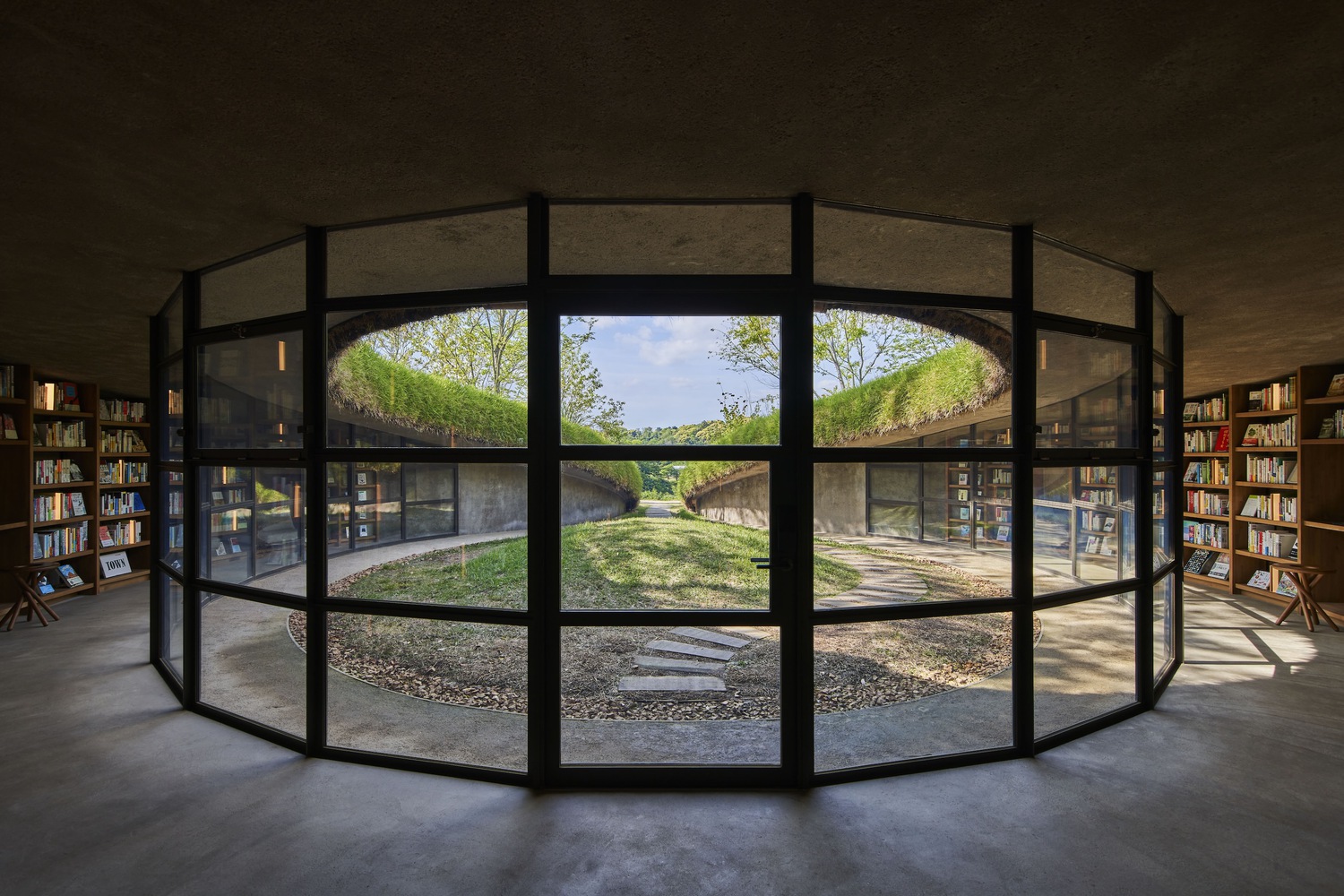
まるでファンタジー映画の世界から飛び出してきたかのような「地中図書館」は、間違いなく世界で最も美しく、そして静寂に満ちた読書空間の一つです。

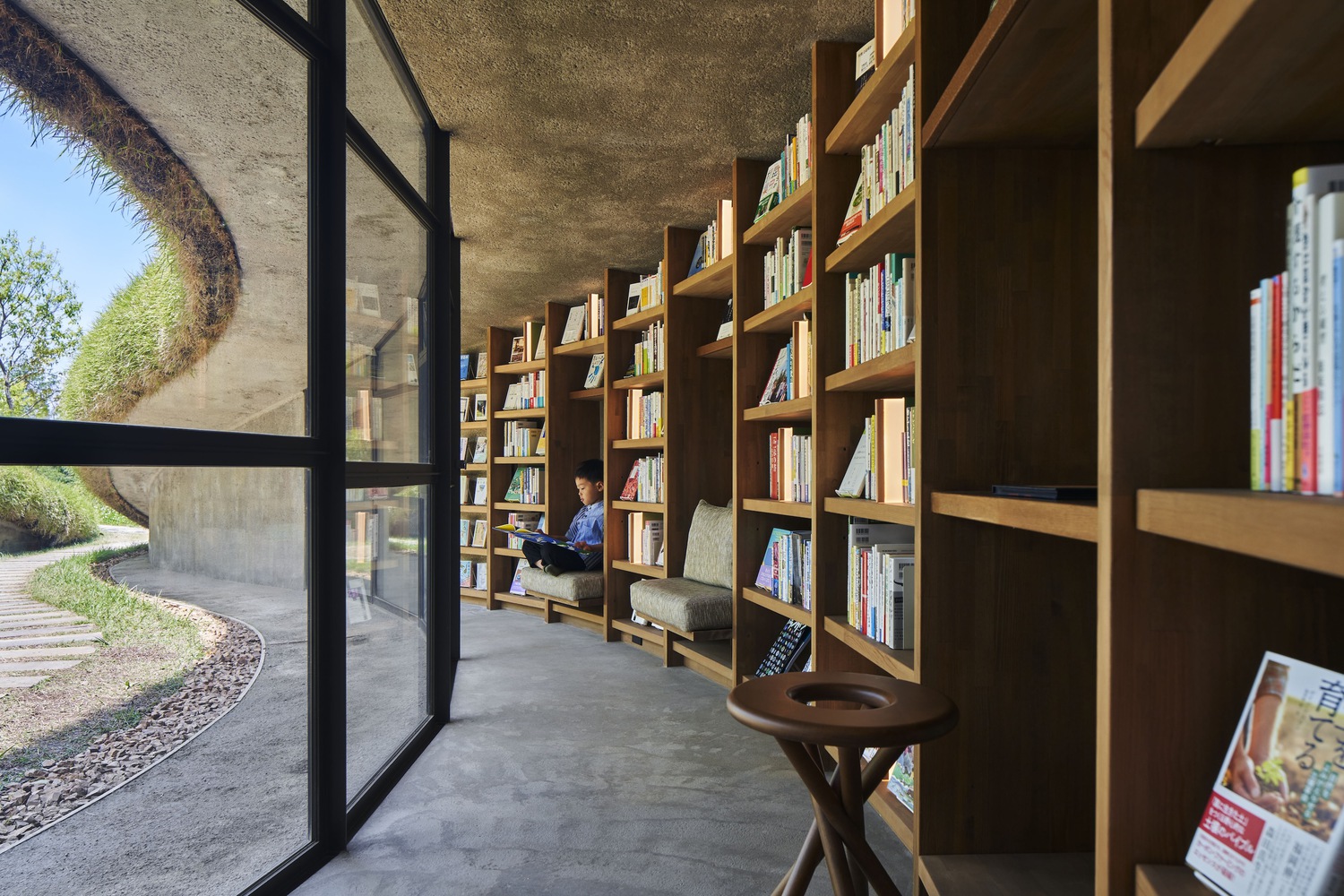
この地下に広がる聖域は、かつて建設残土で埋め尽くされた谷の上に広がる荒地でした。しかし、建築家の中村拓志氏(Hiroshi Nakamura & NAP)の手によって、土地の記憶を呼び覚ますような豊かな谷へと修復されたのです。

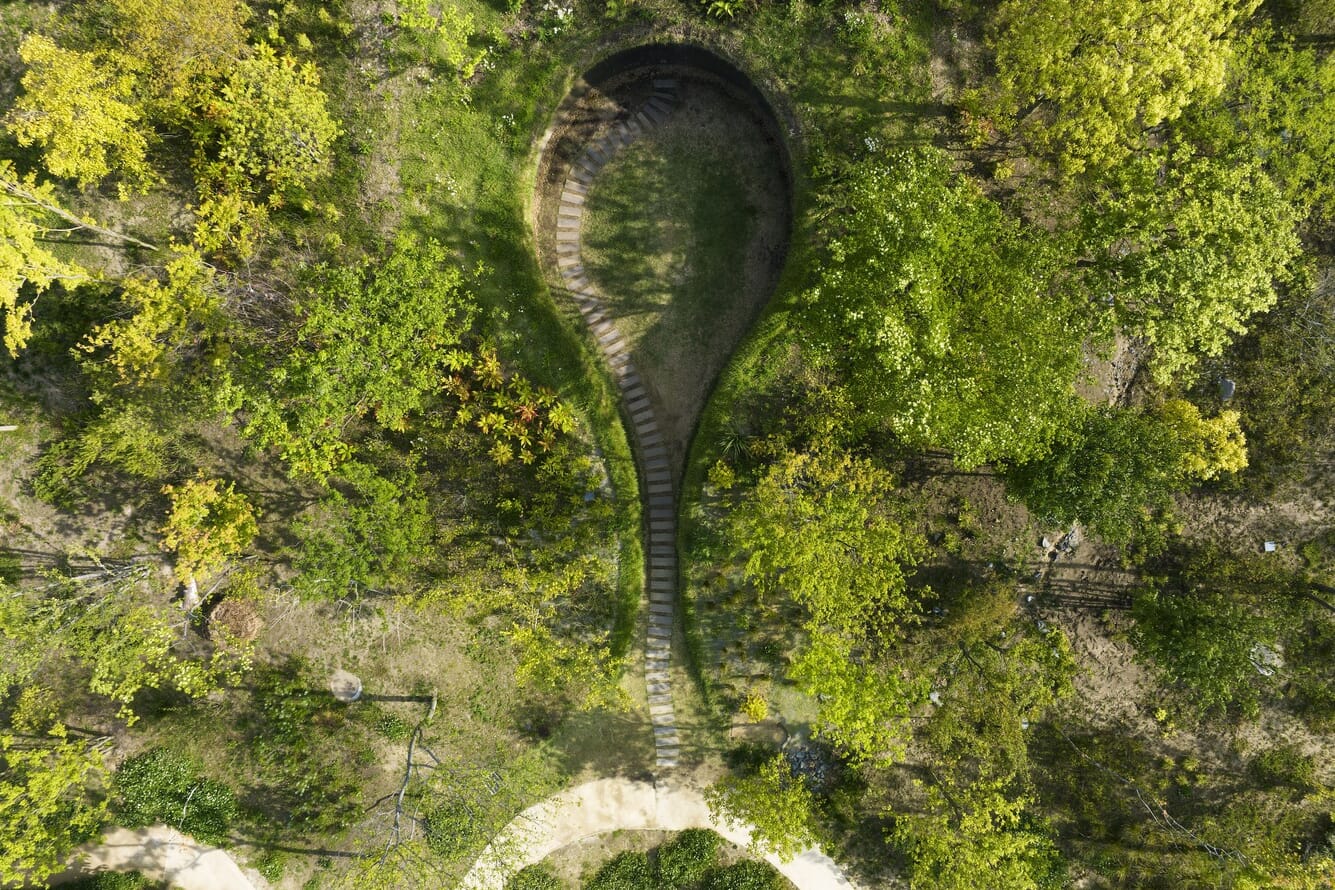
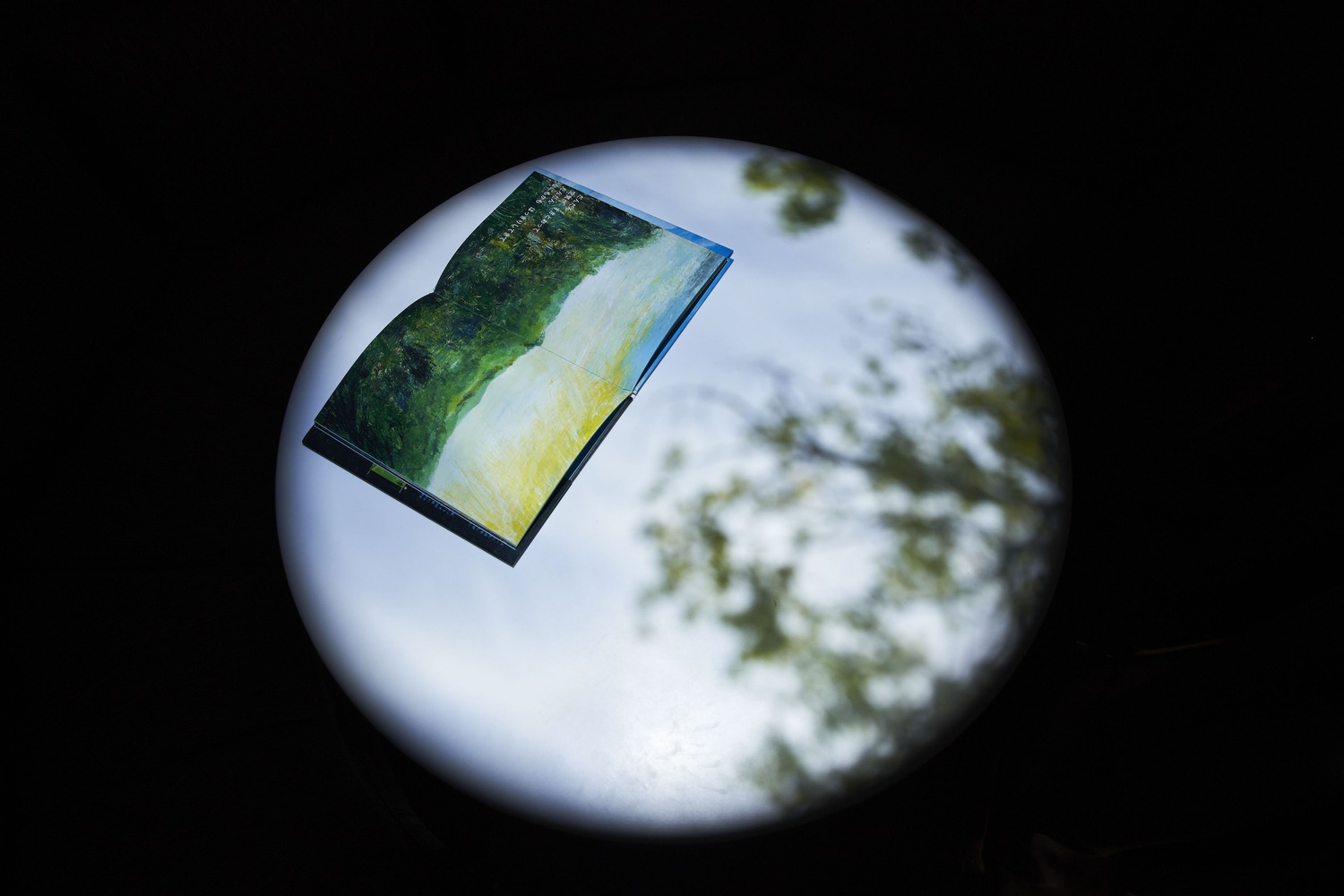
上空から見ると一滴の水滴のような形をしており、内部の緩やかに傾斜した天井は、土地本来の自然な起伏をそのまま映し出しています。天井に穿たれたピンホール状のトップライト(天窓)は、空を流れる雲の幻想的な影を下のデスクへと投影し、空間全体を一種の「カメラ・オブスキュラ」へと変貌させています。

東京から車でわずか1時間ほどの距離に位置するこの図書館は、サステナブルな農場直送のダイニングやアートインスタレーション、宿泊施設、そして農業体験が楽しめる木更津の広大な農地「KURKKU FIELDS」の中に静かに佇んでいます。
多摩美術大学図書館 (東京都)

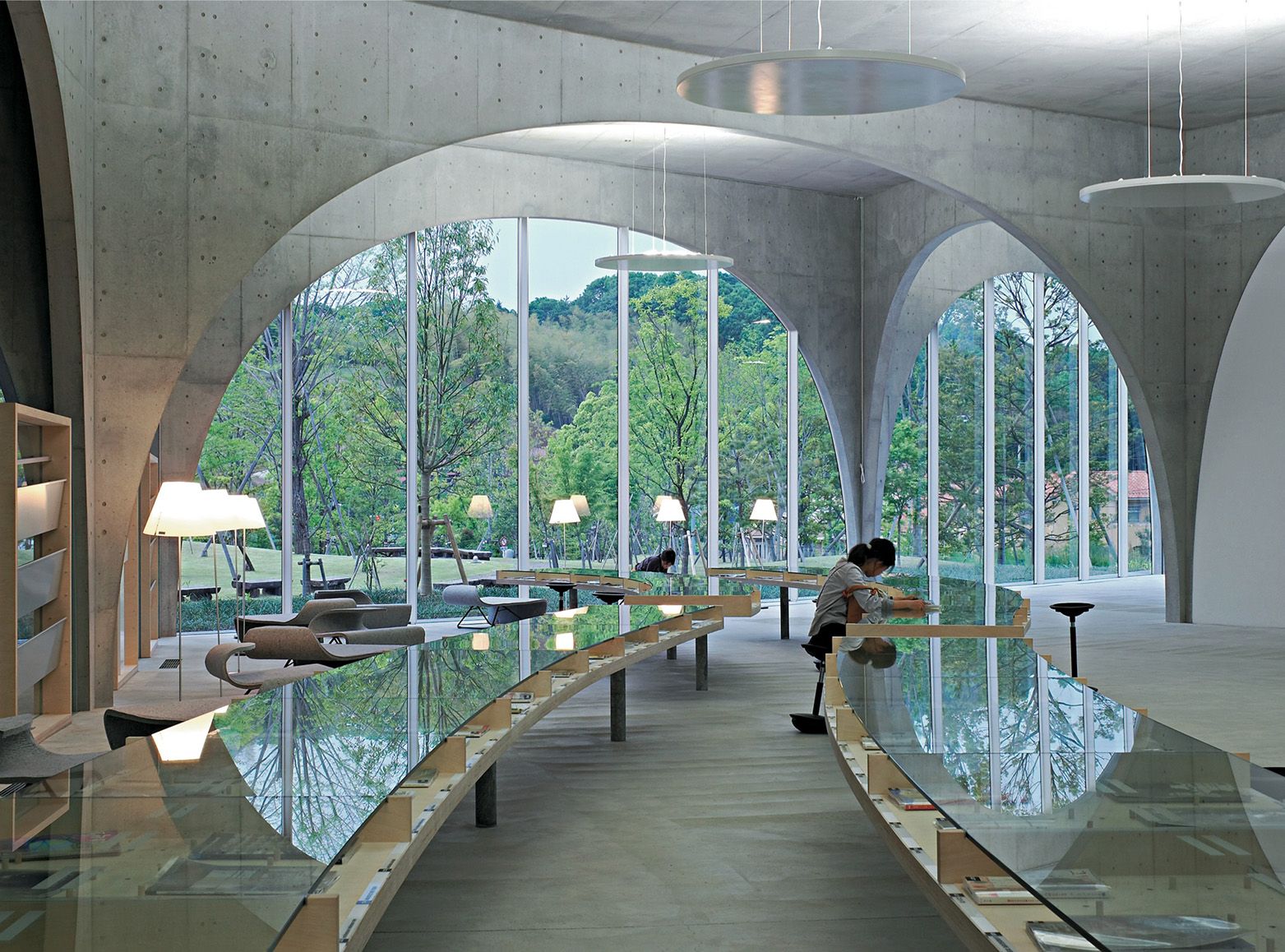
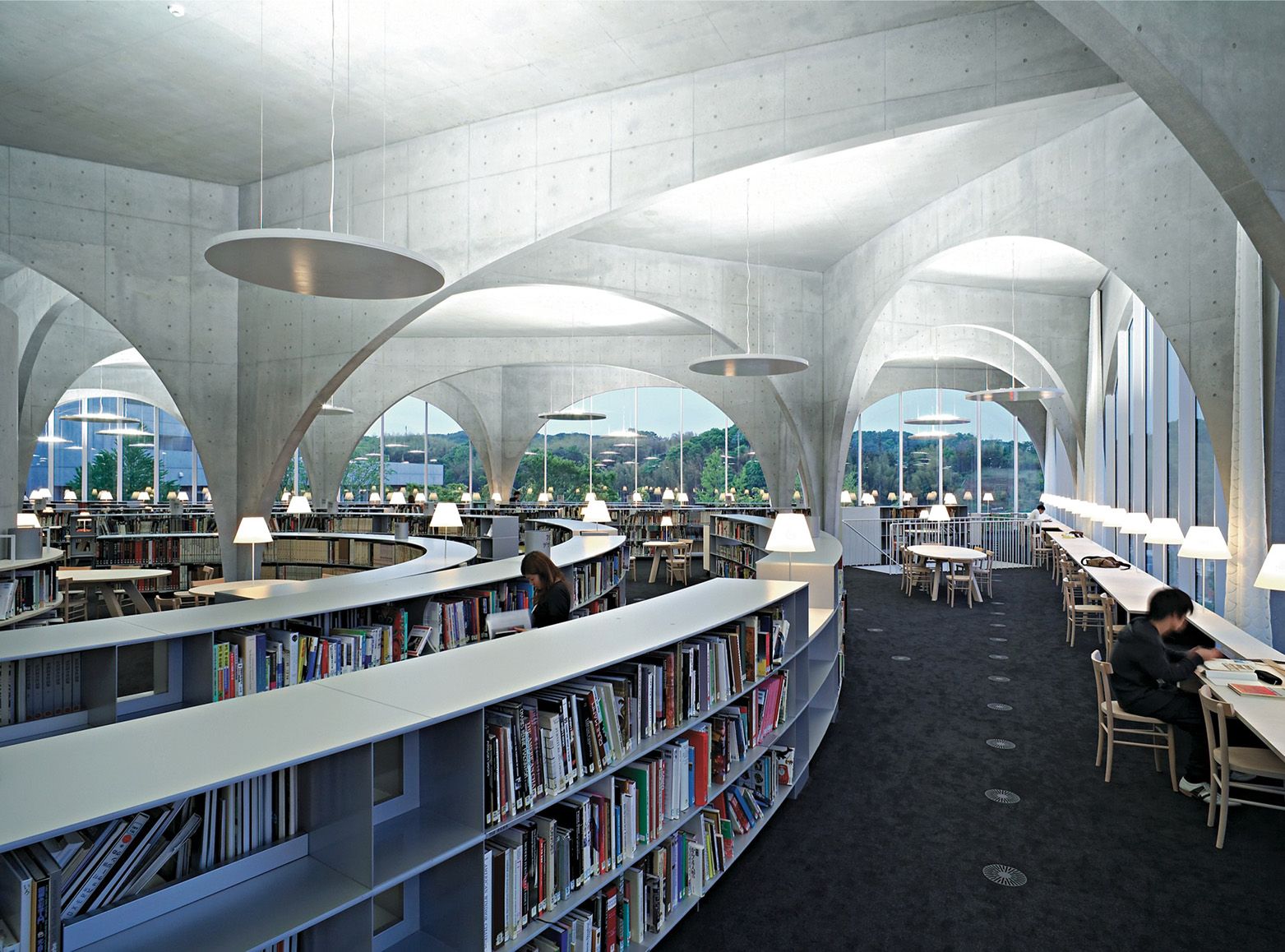
日本屈指の美術大学として知られる多摩美術大学。その図書館が、比類なき建築の傑作であることは、ある種必然のようにも思えます。

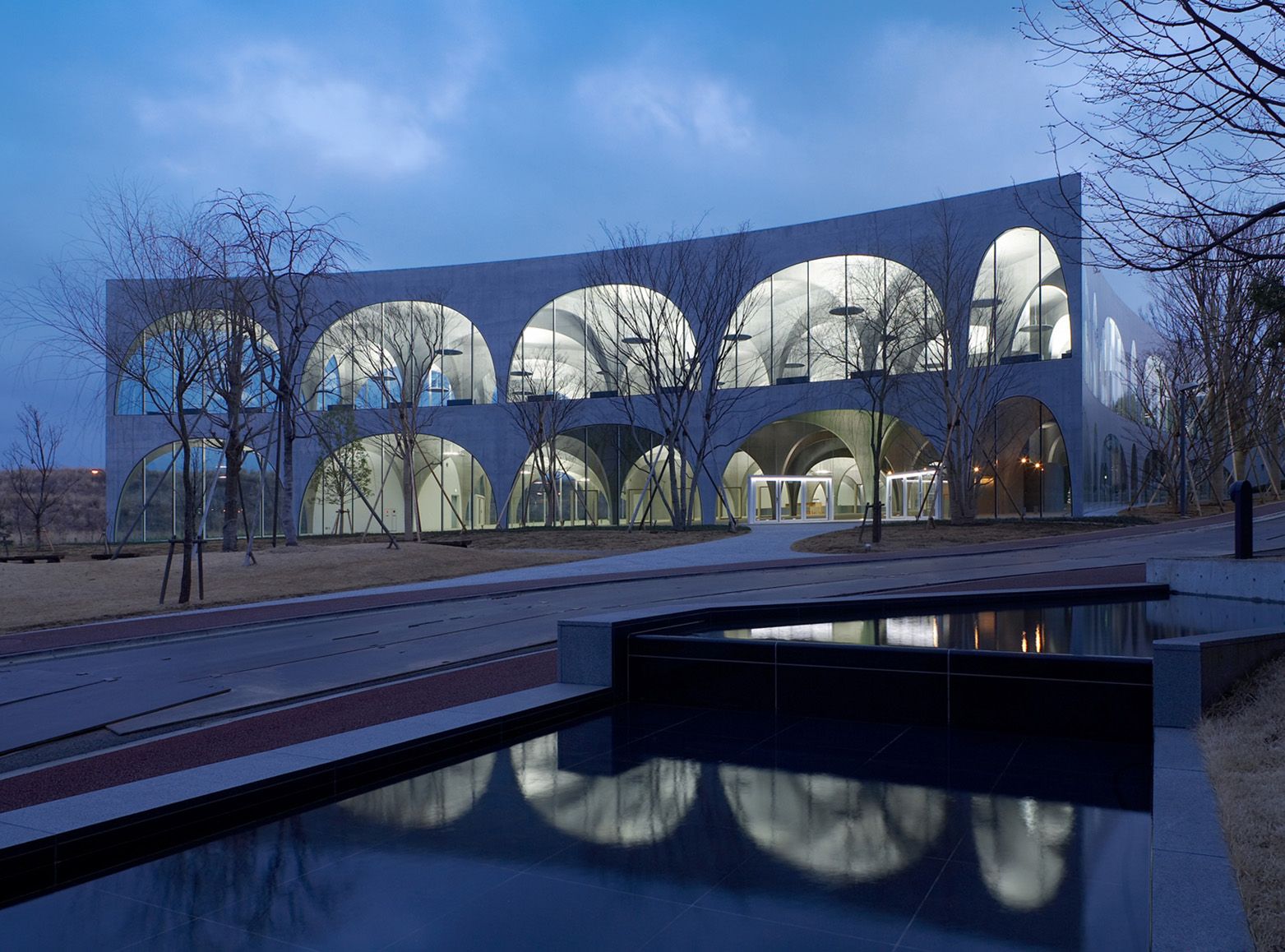
建築家・伊東豊雄氏の手によるこの空間は、氏の真骨頂である「流動性」「自然との共生」、そして「透明性」が見事に具現化されています。最も象徴的なのは、ランダムに配置された美しいアーチ構造です。その下を歩けば、まるで深い森や静かな洞窟の中を彷徨っているかのような錯覚に陥ることでしょう。

鉄やコンクリートといった無機質な素材を用いながらも、そこにはモダニズム特有の硬さは微塵も感じられません。空間そのものがダイナミックに息づき、刻々と表情を変えていく――。そんな有機的なコンセプトで設計されています。

芸術、デザイン、建築の専門書を中心に、和書約77,000冊、洋書約47,000冊、そして1,500種もの雑誌を揃えた、まさに美の探求者たちのための聖域です。

石川県立図書館 (石川県)

約110万冊という膨大なコレクションを誇る石川県立図書館は、静寂に包まれた見事なアトリウム空間です。仙田満氏と環境設計研究所によって設計されたこの建築は、外観そのものが本のページをめくるようなフォルムを模しています。

館内の中央には円形の閲覧エリアが広がり、テーマごとに分類された書棚や、膨大なコレクションを視覚化するデジタルインスタレーションが配置されています。さらに、「リング」と呼ばれる回廊型の閲覧スペースや、遊び心あふれる児童エリアなどが有機的に結びついています。

また、思わず顔がほころぶようなディテールも。館内にはなんと100種類もの椅子が用意されており、その日の気分や読みたい本に合わせて、自分にぴったりの特等席を選ぶことができるのです。
北九州市立中央図書館 (福岡県)

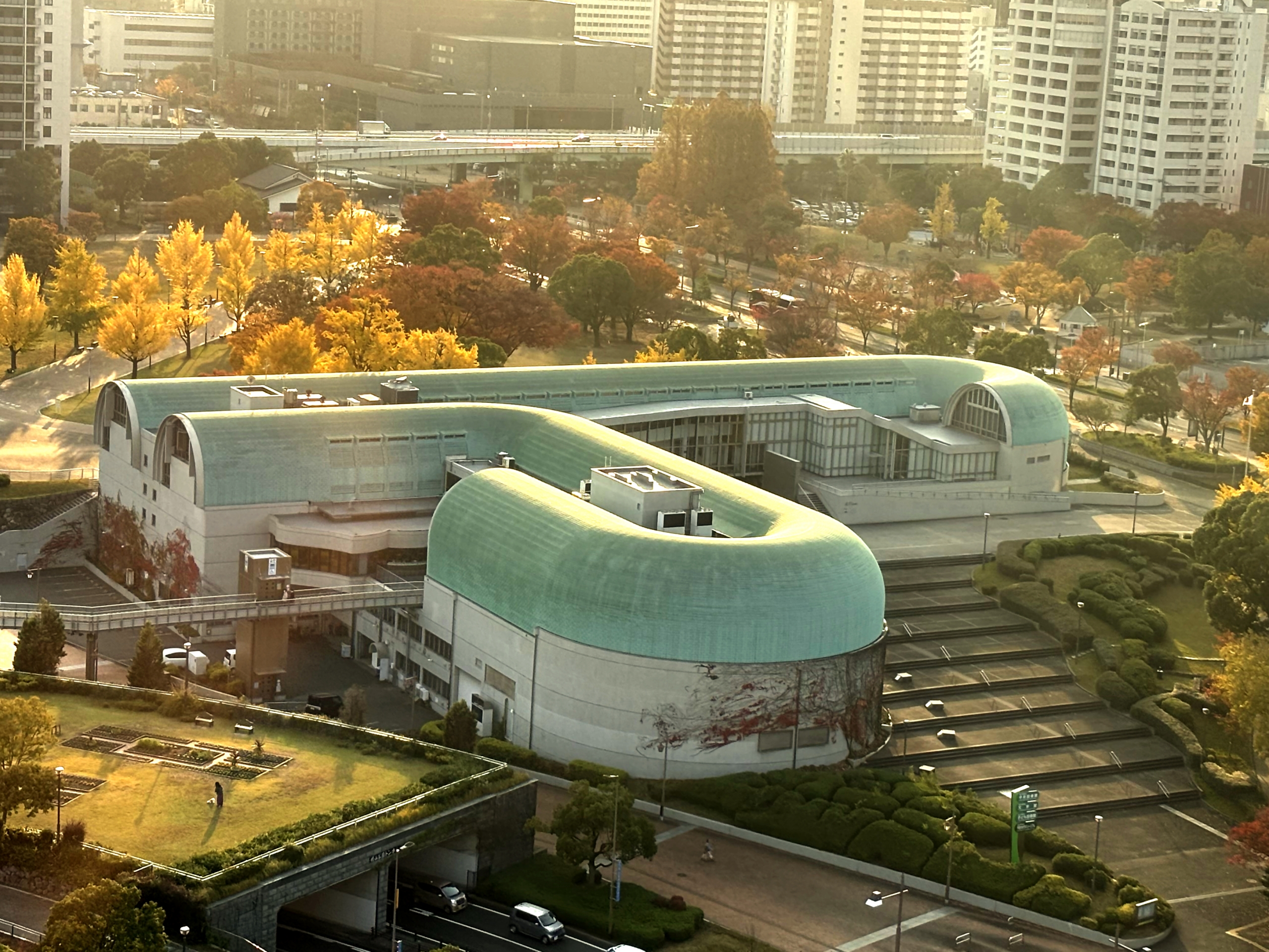
1974年に完成した北九州市立中央図書館は、こども図書館や文学館を併設する複合施設の中核を担っています。

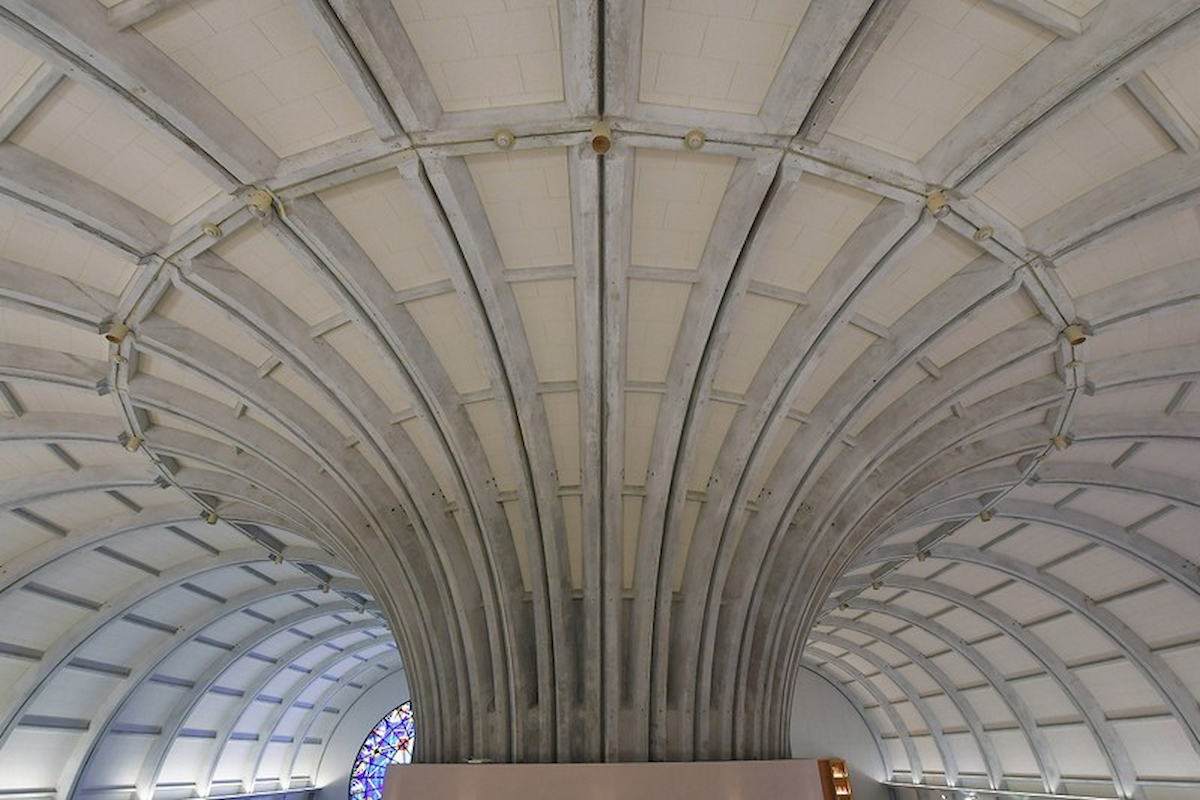
世界的な建築家・磯崎新氏によって設計されたこの建築は、ポスト・モダニズム、メタボリズム、そしてブルータリズムが見事に溶け合った、まさに時代の記念碑。最も目を引くのは、美しい緑青を湛えた銅板の屋根が描く、2本の巨大なコンクリート・ヴォールト(かまぼこ型の筒状構造)です。
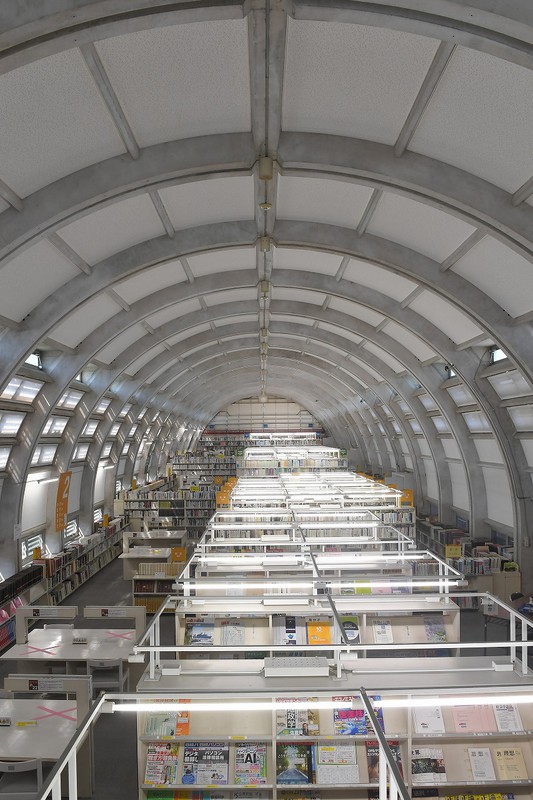
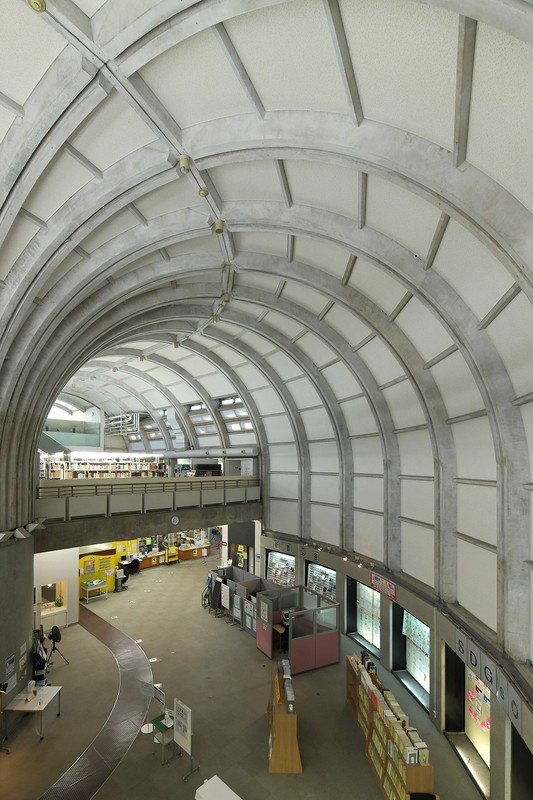
館内に一歩足を踏み入れれば、ヴォールトの力強いコンクリートの肋材が剥き出しになり、まるで現代の大聖堂のような荘厳な空間が広がっています。また、江戸時代の哲学者・三浦梅園の著書『玄語』の世界観を表現した、見事なステンドグラスも必見。

その圧倒的な存在感と独特の美しさは、2013年公開の映画『図書館戦争』シリーズのロケ地として選ばれたことでも広く知られています。

「雲の上の図書館」梼原町立図書館 (高知県)

著名な建築家、隈研吾氏によって設計されたこの図書館は、高知県の小さな町、梼原町にあります。この町はその山岳美から「雲の上の町」と称されることが多いため、町立図書館も「雲の上の図書館」と呼ばれています。

木漏れ日のような格子状の構造を構築するために、隈氏は地元産の杉材を使用しました。訪れる人は、天井の複雑なデザインを鑑賞しながら、木の質感と香りを楽しむことができます。図書館内にはボルダリング施設やカフェも併設されています。

みんなの森 ぎふメディアコスモス:岐阜市立中央図書館 (岐阜県)

岐阜市立中央図書館は、「みんなの森 ぎふメディアコスモス」として知られる文化複合施設内にあります。読書家や建築愛好家はもちろん、「穏やかな午後を過ごしたい」と願うすべての人にとって、ここはまさに夢のような場所です。

設計を手掛けたのは伊東豊雄氏。広大な館内には図書館のほか、展示ギャラリーや多目的ホール、スタジオなどが有機的に配置されています。

メインとなる2階の図書館フロアに足を踏み入れると、目に飛び込んでくるのは圧巻の「グローブ(傘の森)」です。うねるような木造格子の天井から吊り下げられた、三軸織物による11個の巨大な半球体。それぞれ異なるパターンを持つこのグローブが、空間全体に柔らかな木漏れ日のような光を投げかけています。

そのデザインは未来的でありながら温かく、ミニマルでありながら遊び心に満ちており、一見の価値があります。また、館内のサインには日本語・英語・数字すべてに独自の「みんなの森フォント」が採用されており、細部にまで徹底された美意識を感じることができます。
小布施町立図書館「まちとしょテラソ」(長野県)

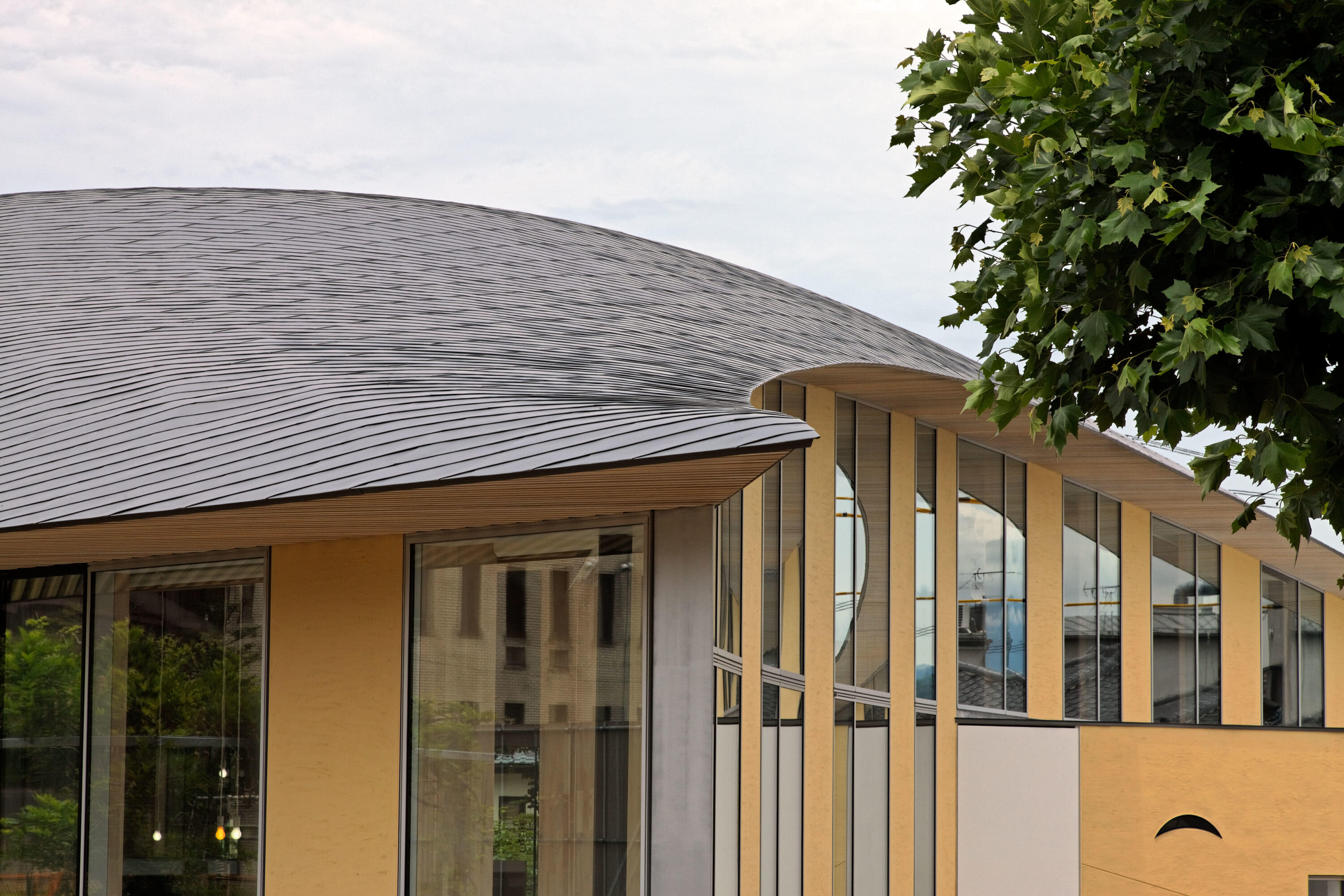
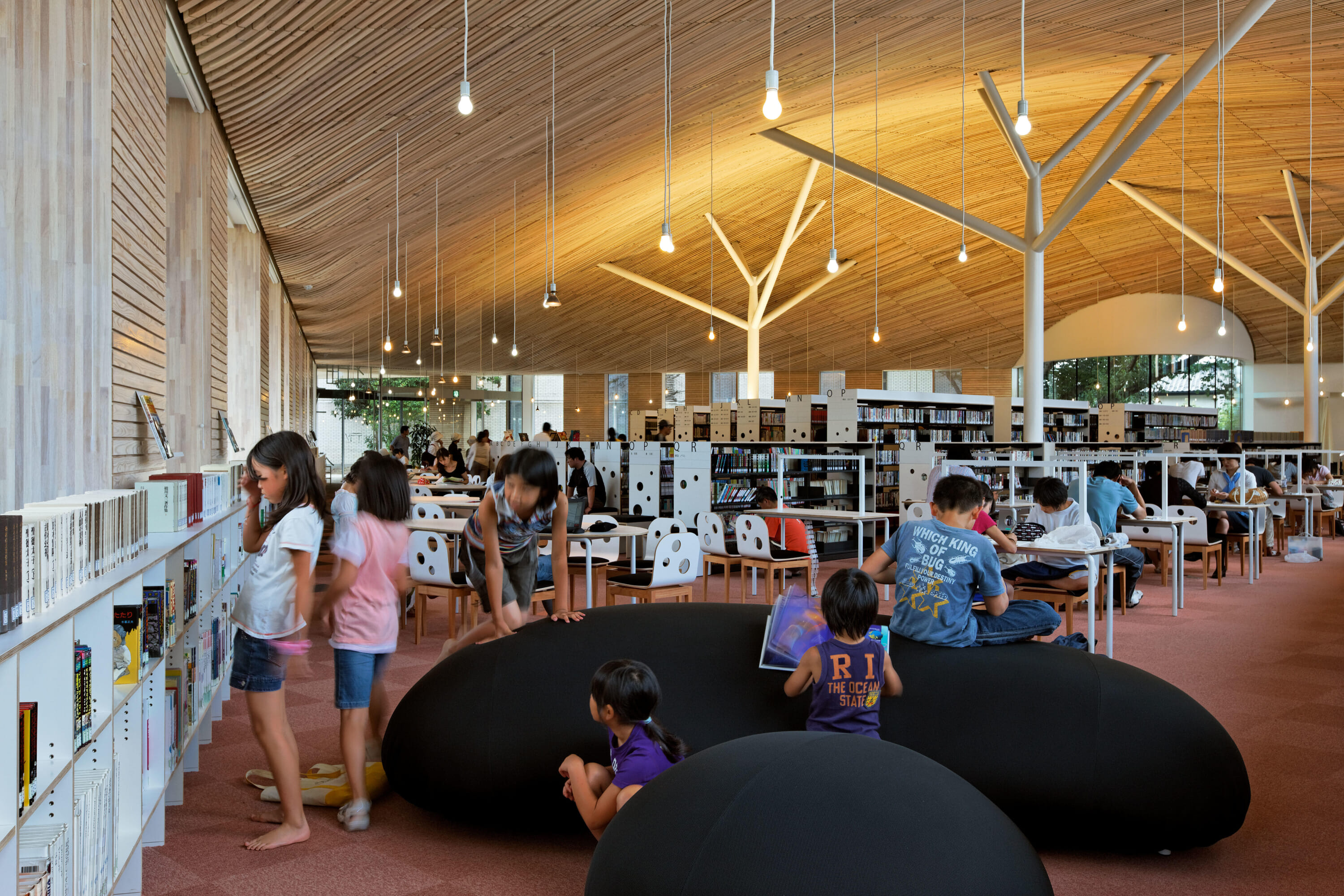
古谷誠章氏 + NASCAによって設計された小布施町立図書館は、あらゆる世代の人々を迎え入れる温かい空間です。周囲の信州の山々にインスパイアされた、緩やかに傾斜した特徴的な屋根が、構造物を自然の風景と融合させています。

建築の三角形の平面計画は、間仕切りを最小限に抑えることで、公共空間にふさわしい開放感と柔軟性を生み出しています。単なる読書の場としてだけでなく、利用者同士の交流や創造性を育むことを目指しています。たっぷりの自然光と木のアクセントに満ちたこの空間は、地域の中で心強い存在となっています。

国際教養大学 中嶋記念図書館 (秋田県)

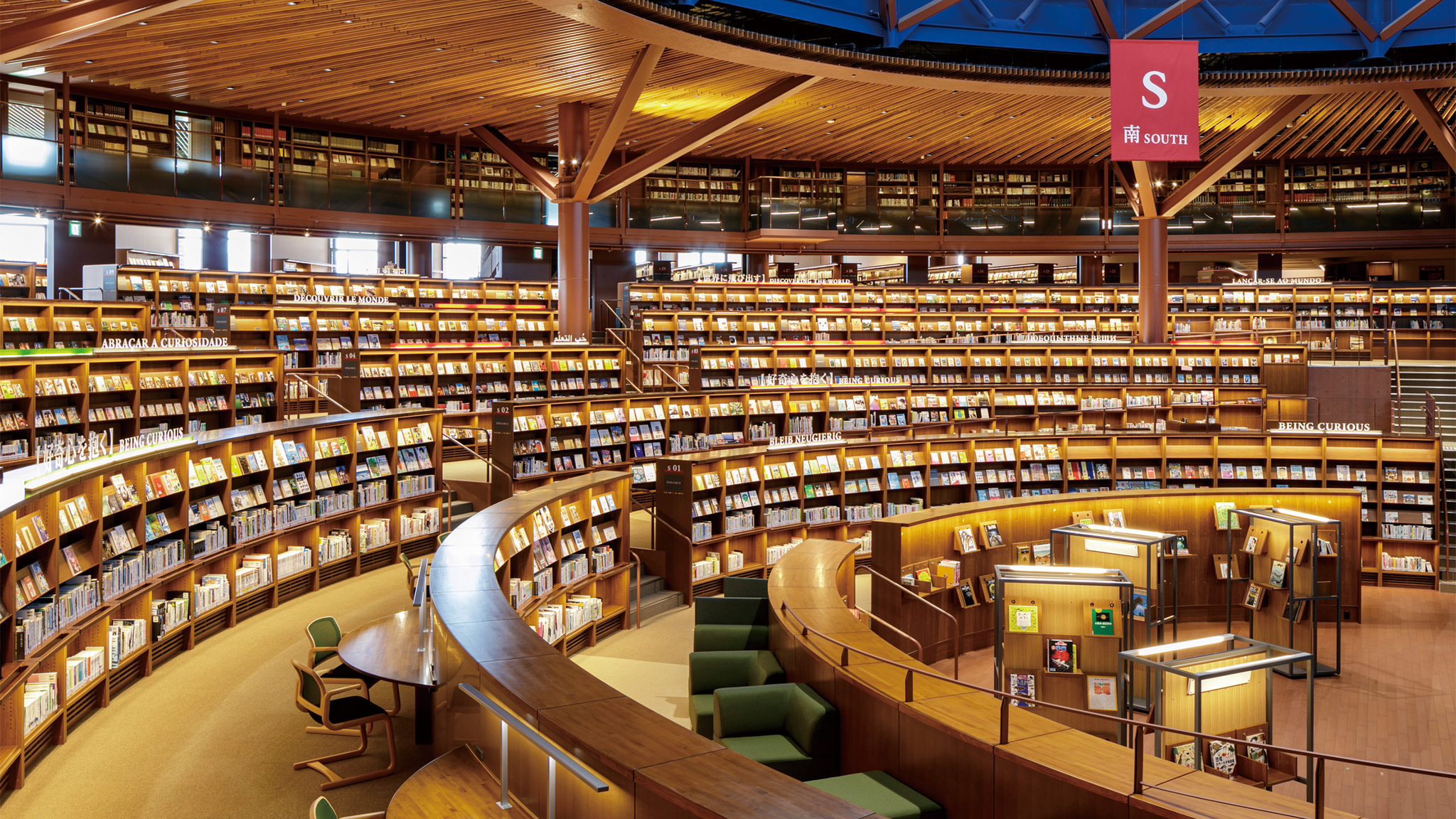
国際教養大学にあるこの図書館は、視覚的に素晴らしいだけでなく、学術的にも高く評価されています。最も注目すべき特徴は、しばしば「本のコロセウム」と称される半円形の建築美です。梼原町立図書館と同様に、中嶋記念図書館も地元産の秋田杉を使用しています。

設計を手掛けたのは仙田満氏。広大なアトリウムには伝統的な木造技術とモダンなデザインが融合した空間が広がっています。

館内には86,000冊を超える蔵書があり、そのうち約53,000冊が洋書という国際大学ならではのラインナップ。特筆すべきは、学生たちの知的な探求を支えるべく「年中無休・24時間開館」を貫いている点です。深夜の静寂の中、杉の香りに包まれながら学問に没頭できる「眠らない図書館」は、まさに学生たちの頼れる知の拠点となっています。

best libraries in japan
© Koji Fujii / TOREAL

The Most Beautiful Libraries in Japan

Board any subway in Japan, and chances are that you will see a good number of people reading physical books, even among rush-hour crowds. As a country of devoted bibliophiles, Japan is just as passionate about crafting serene communal spaces to make reading accessible. 

Far from being mere repositories of books, many Japanese libraries are artistic masterpieces, worth visiting for their visual splendor alone. Keep reading for a list of Japan’s most beautiful libraries, many of them brought to life by world-class architects. 

Library in the Earth (Chiba Prefecture)

Straight out of a fantasy film, Library in the Earth is easily one of the most beautiful and tranquil libraries in the world. The subterranean site was previously just a patch of dry land sitting atop a valley filled with construction debris. However, it was restored into a lush valley by architecture firm Hiroshi Nakamura & NAP. 

The library is meant to resemble a water drop when viewed from above, and the gently sloping ceiling inside mimics the natural contours of the land. A pinhole top light casts ethereal projections of drifting clouds onto a desk beneath, transforming the room into a camera obscura of sorts. Only an hour’s drive away from Tokyo, the library is located within Kurkku Fields, an agricultural site with farm-to-table dining, art installations, lodgings and farming experiences. 

Tama Art University Library (Tokyo Prefecture)

Tama Art University is known as one of the top art schools in Japan, so it seems only fitting that its library is a stunning architectural gem. Designed by Toyo Ito & Associates, the structure embodies Ito’s characteristic fluidity, connection to nature and transparency. Its most striking feature is the use of irregularly placed arches, made to evoke the feeling of walking through a forest or a cave. 

Although the library incorporates materials like steel and concrete, its style deviates from typical modernist rigidity, conceptualized as a dynamic and shifting space. It houses about 77,000 Japanese books, 47,000 foreign books and 1,500 periodicals, with a focus on art, design and architecture.

Ishikawa Prefectural Library (Ishikawa Prefecture)

With a vast collection of some 1.1 million books, the Ishikawa Prefectural Library is a stunning atrium of tranquility. Designed by Mitsuru Senda and the Environmental Design Institute, the library’s exterior is meant to resemble the pages of a book.

At the center is a circular reading area with thematically divided sections of books, a digital installation that visualizes the collections, a corridor-style reading space called the “Ring,” a children’s area and more. A fun detail is that the library features 100 types of chairs, which readers can choose from depending on their mood.

Kitakyushu City Central Library (Fukuoka Prefecture)

Completed in 1974, the Kitakyushu City Central Library is part of a complex that includes a children’s library and literature museum. Designed by the influential architect Arata Isozaki, the structure can best be described as a blend of Post-Modernism, Metabolism and Brutalism. Its most defining feature is its two massive concrete vaults, topped with copper plate roofs. 

Inside, the exposed concrete ribs of the vaults form vast, cathedral-like spaces. You can also spot a gorgeous stained-glass window inspired by Edo period philosopher Miura Baien’s book Gengo. Due to its unique beauty, Kitakyushu City Central Library was famously used as a shooting location for the 2013 Japanese film Toshokan Senso (Library Wars) and its sequel.

Yusuhara Community Library (Kochi Prefecture)

Designed by famed architect Kengo Kuma, this library is located in Yusuhara, a small town in Kochi Prefecture. It is often described as a “village above the clouds” for its mountainous beauty. The town’s library is, therefore, referred to as the “Library Above the Clouds.”

To construct the library’s latticework — evocative of treetops — Kuma used sugi wood, which is native to the area. Visitors can enjoy the texture and scent of wood here, while admiring the intricate design of the ceiling. The library also features bouldering facilities and a café.

Minna no Mori: Gifu City Chuo Library (Gifu Prefecture)

The Gifu City Chuo Library is part of a cultural complex known as Minna no Mori Media Cosmos. This huge library is a dream for bookworms, architecture enthusiasts and anyone looking for a peaceful afternoon. Designed by Ito, the building houses a conference space, exhibition space, library and studios.

Check out the second-floor library for a stunning “forest of umbrellas,” featuring 11 large-scale half-globes made of triaxial woven fabric, each with its own pattern, hanging from the library’s undulating ceiling, casting a soft glow over the space. The library’s design is at once futuristic yet organic, minimalistic yet whimsical, making it a must-visit location. The facility even has its own Minna no Mori typeface, used throughout the building, for Japanese, English and numerals.

Obuse Town Public Library (Nagano Prefecture)

Designed by  Nobuaki Furuya + NASCA, Obuse Town Public Library is a warm space that invites people of all ages. It features a distinctive, gently-sloped roof inspired by the surrounding Shinshu mountains, integrating the structure with the natural landscape.

The structure’s triangle plan was conceptualized with minimal partitions, creating an openness and flexibility perfect for this communal space. Rather than strictly being a place for reading, the library aims to foster interaction and creativity among its patrons. With lots of natural light and wooden accents, the space is a comforting presence in its neighborhood.

AIU Nakajima Library (Akita Prefecture)

Located at Akita International University, this library is not only visually stunning but also academically acclaimed. Its most notable feature is its semicircular shape, often described as a “Book Colosseum.” Like Yusuhara Community Library, the AIU Nakajima Library sources its materials from locally grown wood — Akita cedar.

Designed by Senda, the spacious atrium houses over 86,000 books, 53,000 of which are non-Japanese. Known as the “library that never sleeps,” the establishment is open 24 hours a day, 365 days a year, serving as a reliable hub of knowledge for students.

Related Posts