best beaches in japan for summer vacation

【2026最新】夏休みに行きたい!日本の美しき絶景ビーチ7選

日本といえば、活気あふれる大都市や歴史ある神社仏閣、雪に覆われた山々が有名ですが、実は数千マイルにも及ぶ美しい海岸線に囲まれた島国でもあります。亜熱帯の海が広がる透き通る沖縄の海から、力強くドラマチックな景観を見せる本州の海岸まで、日本のビーチは世界トップクラスの美しさを誇ります。

ウミガメと一緒にシュノーケリングを楽しんだり、最高の波でサーフィンをしたり、あるいは純白の砂浜でただのんびりと過ごしたり。次の夏休みのやりたいことリストに今すぐ追加すべき、日本が誇る最高のビーチ7選をご紹介します。

一目でわかる!日本のおすすめビーチ一覧

ビーチ名 所在地 おすすめの目的
ニシ浜 沖縄県(波照間島) 手つかずの南国の楽園
川平湾 沖縄県(石垣島) 海岸の絶景&グラスボートツアー
与那覇前浜ビーチ 沖縄県(宮古島) ファミリー&充実した設備
白浜大浜海水浴場 静岡県(下田市) サーフィン&週末の日帰り旅
ヒリゾ浜 静岡県(南伊豆町) 抜群の透明度を誇るシュノーケリング
浄土ヶ浜 岩手県 火山岩が織りなす神秘的な景観
角島大浜海水浴場 山口県 爽快な海岸沿いのドライブ旅

非日常を味わう、至高のトロピカルビーチ(沖縄)

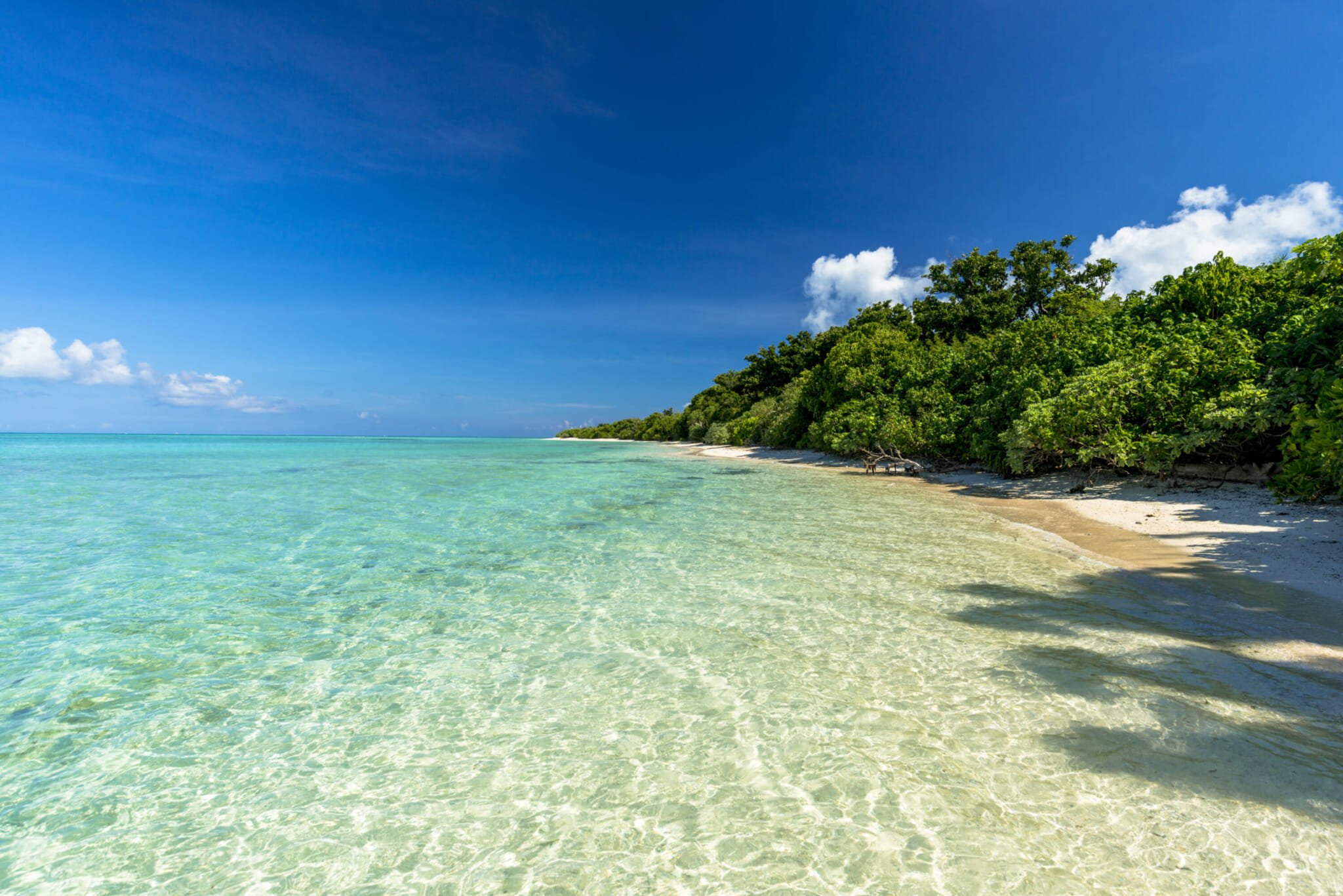
Nishihama Beach turquoise water Hateruma Island Okinawa.

ニシ浜(沖縄県・波照間島)

おすすめの目的: 静寂と手つかずの南国の楽園

誰もが思い描く「究極の南国の楽園」を求めるなら、波照間島のニシ浜に勝る場所はありません。日本の有人島として最南端に位置するこのビーチは、地元で「ハテルマブルー」と称される息をのむほど透明なターコイズブルーの海、パウダーのようにサラサラな白い砂浜、そして色鮮やかな海洋生物が息づく目の前のサンゴ礁で世界的に有名です。アクセスには石垣島からフェリーを利用する必要があり、少し旅の手間がかかるため、驚くほど混雑とは無縁の静けさが保たれています。ビーチ周辺にはレストランや売店が一切ないため、食料や必要な物資はすべて事前に準備し、ゴミは必ず各自で持ち帰りましょう。

アクセス:羽田空港などから南ぬ島 石垣空港へ(約3時間半)。石垣港離島ターミナルから高速フェリーで波照間島へ(約60〜90分)。波照間港からビーチまでは徒歩約15分、またはレンタル自転車での移動が便利です。

設備:簡易トイレとシャワーがあります。海の家、売店、レンタルショップなどはないため、十分な準備をして訪れてください。

料金:入場無料、駐車場無料。
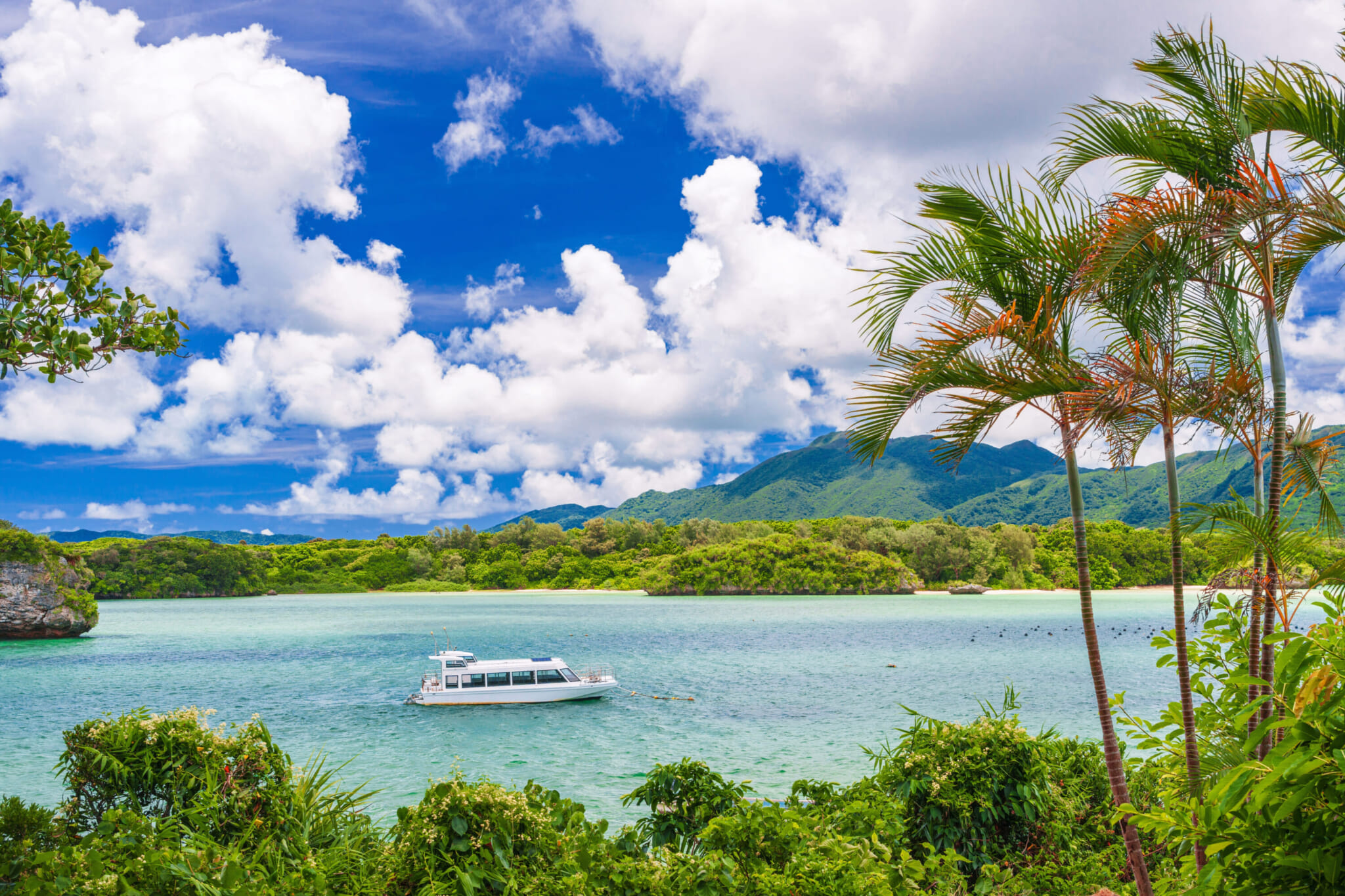
Panoramic view of Kabira Bay emerald waters in Ishigaki.

川平湾(沖縄県・石垣島)

おすすめの目的: 圧倒的な海岸美とフォトジェニックな絶景

川平湾(かびらわん)は日本屈指の景勝地として広く知られており、『ミシュラン・グリーンガイド・ジャポン』でも最高評価の三つ星を獲得しています。エメラルドグリーンに輝く海、純白の砂浜、そして湾内にぽつぽつと浮かぶ緑豊かな島々が織りなすコントラストは、見る者を一瞬で魅了します。

潮の流れが非常に速く、黒真珠の養殖地でもあるため、湾内での遊泳は厳格に禁止されています。しかし、岸辺からの景色はまさに伝説的な美しさであり、グラスボート(底がガラス張りの船)に乗れば、海中に広がる見事なサンゴ礁の庭園や巨大なシャコガイを間近に観察できます。一年を通じて美しい場所ですが、夏の時期はとりわけ鮮やかな色彩を楽しめます。

アクセス:羽田空港などから南ぬ島 石垣空港へ(約3時間半)。空港から車で約30分、または路線バスで約45分、川平湾バス停下車すぐ。

設備:トイレ、お土産店、ローカルカフェ、グラスボートツアーの受付所などが湾のすぐ近くに揃っています。

料金:入場無料。周辺の有料駐車場の料金は目安として1時間あたり約100円です。
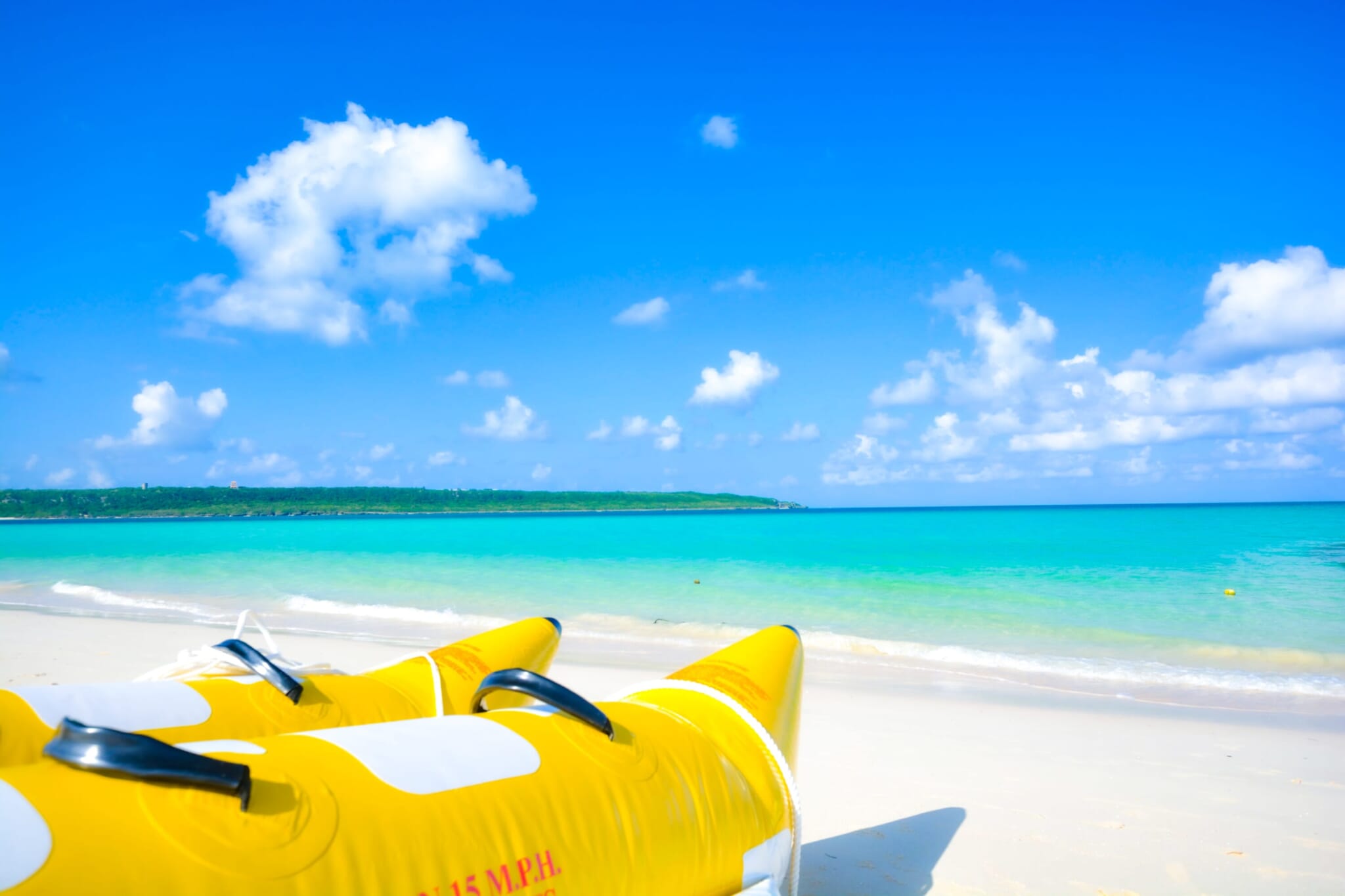
Yonaha Maehama Beach Miyako Island.

与那覇前浜ビーチ(沖縄県・宮古島)

おすすめの目的: ファミリーでのレジャー&充実したビーチ設備

旅行サイトのランキングで「日本のベストビーチ」の第1位に何度も輝いている与那覇前浜(よなはまえはま)ビーチは、宮古島の南西海岸に沿って約7キロメートルにわたって続く広大な白砂の海岸です。その圧倒的なスケールのおかげで混雑を感じさせず、海は遠浅で波も穏やかなため、安心して泳ぐことができファミリーにも完璧です。また、ジェットスキーのレンタルやビーチサイドのシャワー、カフェなど、快適な設備やアクティビティが非常に充実しています。対岸の来間島へと架かる来間大橋の隣に沈む、息をのむほど美しい夕日の絶景も見逃せません。

アクセス:東京(羽田)から宮古空港または下地島空港へ直行便で約3時間。宮古空港から車やタクシーで約15分。

設備:シャワー、トイレ、更衣室、救護所・ライフセーバー(夏季)、売店、マリンスポーツ等のレンタルが完備されています。

料金:入場無料、公衆駐車場無料。

本州・東京近郊のおすすめ名所ビーチ
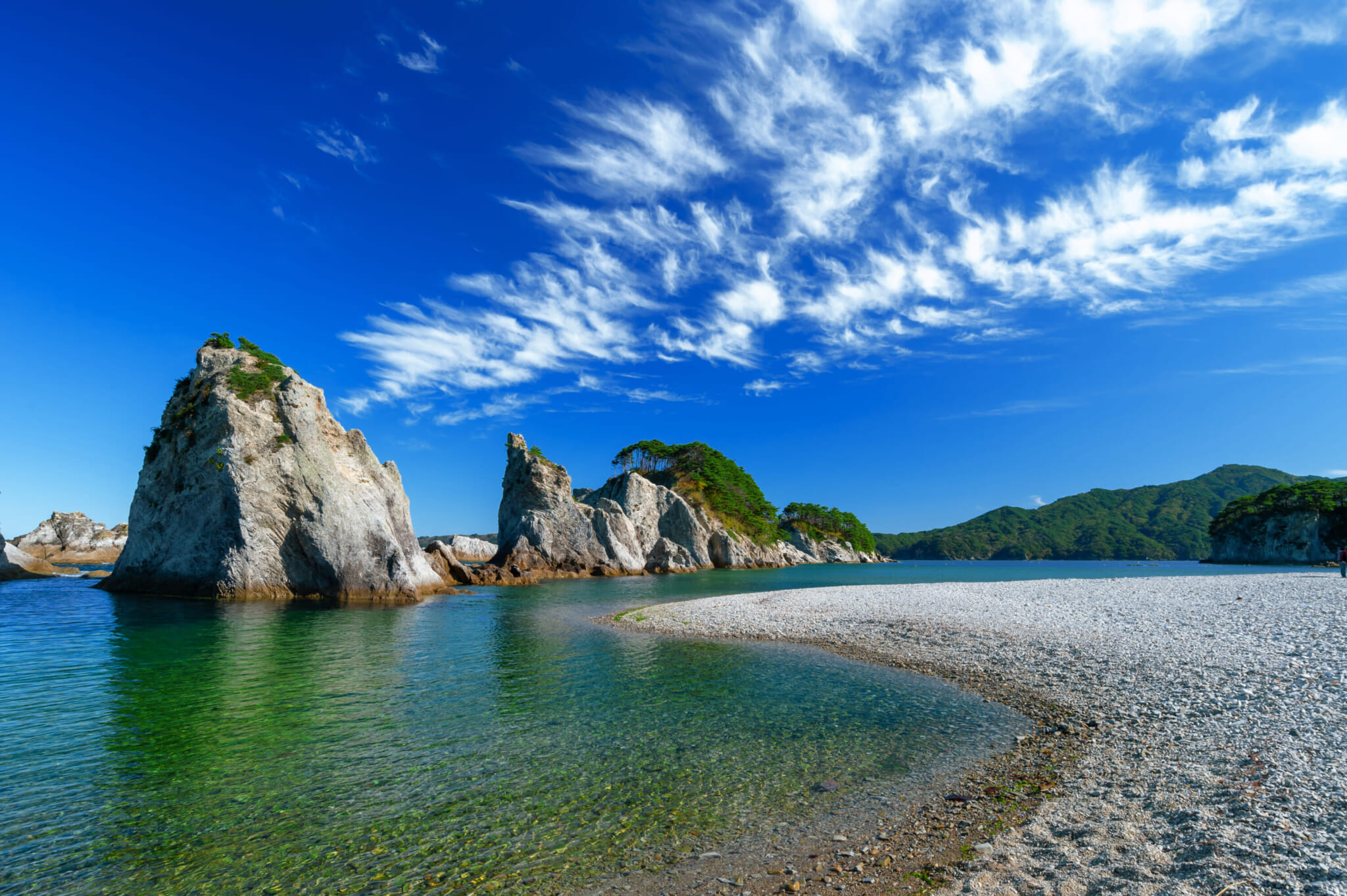
Jodogahama Pure Land Beach volcanic rock formations Iwate.

浄土ヶ浜(岩手県宮古市)

おすすめの目的: 唯一無二の奇岩風景と静謐で神秘的な海

舞台を北の東北地方へと移すと、まるで日本の伝統的な水墨画が現実世界に飛び出してきたかのような「浄土ヶ浜」に出会えます。その名は、江戸時代の高僧が「さながら極楽浄土のごとし」と、穏やかな小石の入り江にそびえ立つ鋭く白い流紋岩の岩頭を称賛したことに由来しています。

周囲の独特な岩の連なりに守られているため、浄土ヶ浜の波は驚くほど穏やかで透明度が高く、カヤックを楽しんだり、近くの「青の洞窟」を巡るさっぱ船クルーズを体験したりするのに最適です。7月と8月の海開きシーズンは海水浴のベスト期ですが、その荘厳な景観は一年を通じて旅人を魅了し続けています。

アクセス:東京駅から東北新幹線で盛岡駅へ(約2時間半)。そこから特急バスに乗り換え宮古駅へ(約2時間)。宮古駅からローカルバスを利用し、「浄土ヶ浜ビジターセンター」下車すぐ。

設備:トイレ、シャワー、レストハウス(レストラン・売店)、ビジターセンター、遊覧船・ボート受付があり、夏季の海開き期間中はライフセーバーが配置されます。

料金:入場無料。ビジターセンター近くの指定駐車場を無料で利用できます。
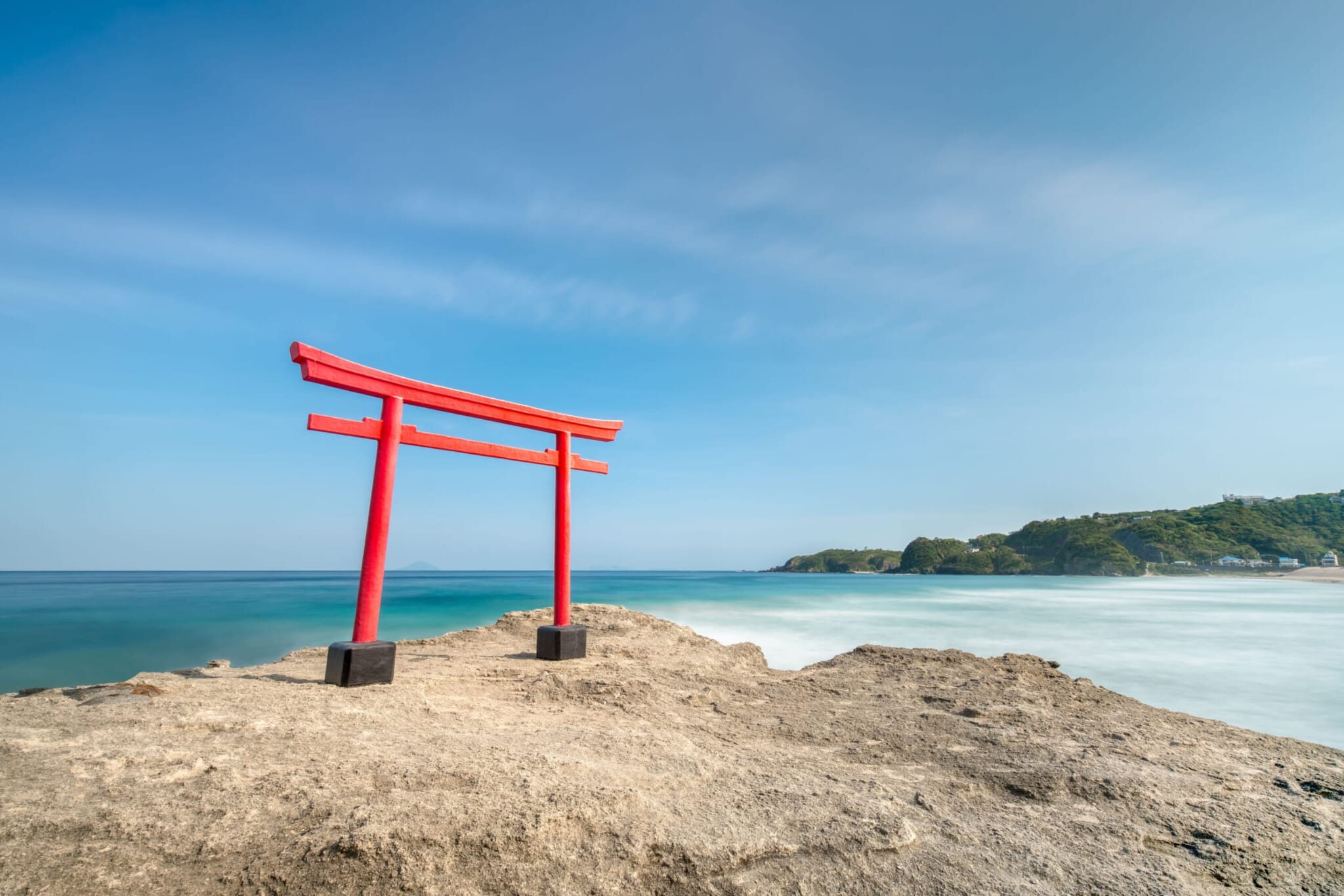
Red Shinto torii gate at Shirahama Beach Shimoda.

白浜大浜海水浴場(静岡県下田市)

おすすめの目的: 東京からの気軽な旅、サーフィン、活気あるビーチカルチャー

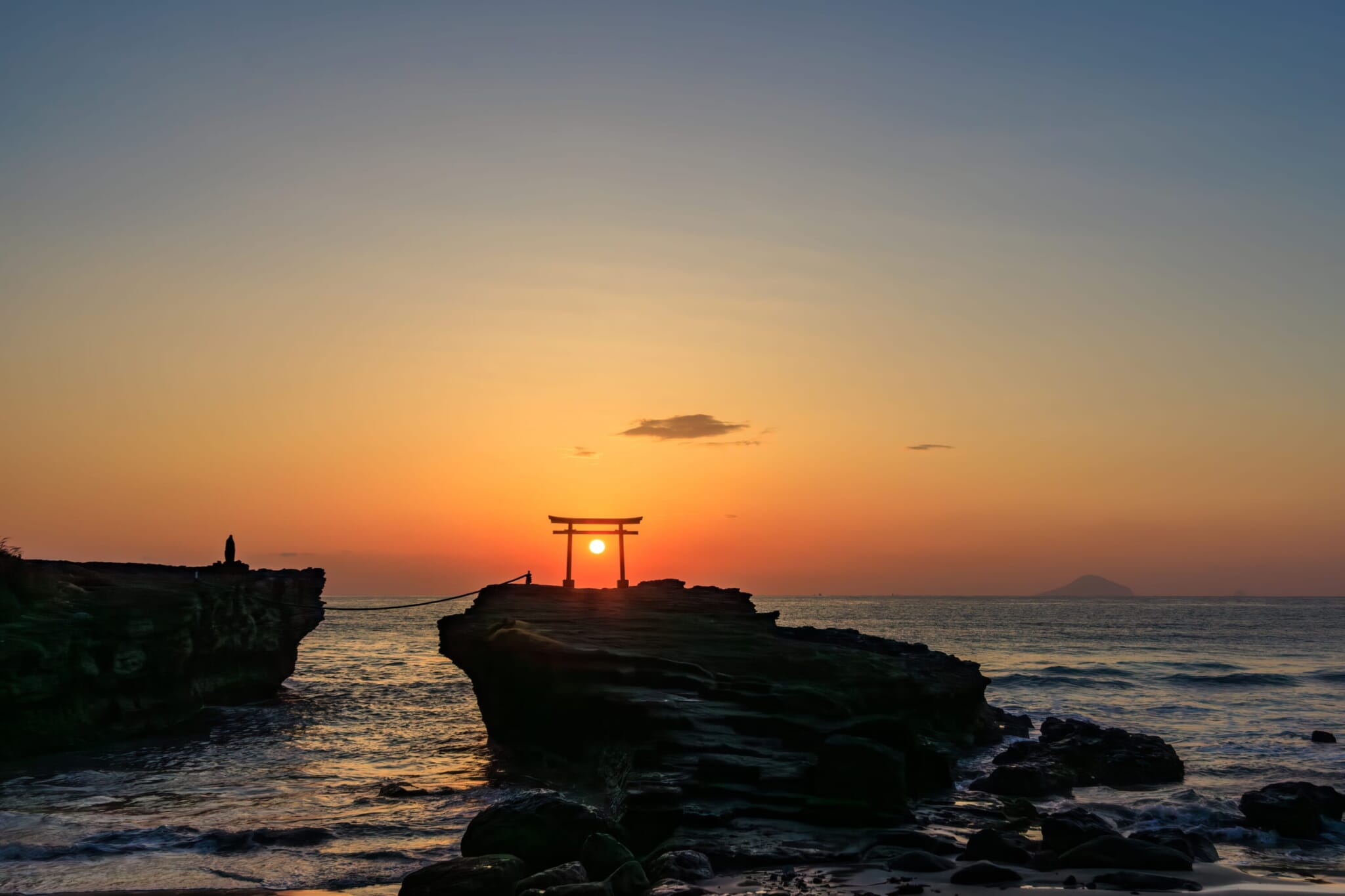
美しい白砂のビーチを体験するために、わざわざ沖縄まで飛行機で飛ぶ必要はありません。伊豆半島に位置する「白浜」は、東京から最も人気のある夏の避暑地の一つです。約800メートルにわたって続くこの広大な砂浜は、サーファーや日光浴を楽しむ人々、ビーチバレーのプレイヤーたちで溢れる活気あるスポットです。海岸の北端にある岩場には、大海原を見つめるように歴史ある伊豆白浜神社の赤い鳥居が佇んでおり、日本らしさを感じられる絶好のフォトスポットとなっています。7月から9月にかけてが最も盛り上がる時期ですが、夏のハイシーズンや連休中は非常に混雑するので注意しましょう。

アクセス:東京駅からJR特急「踊り子号」で伊豆急下田駅へ直行(約2時間半)。駅から路線バスに乗り換え、約10分でビーチに到着します。

設備:シャワー、トイレ、サーフボード・パラソルのレンタルがあり、道路を挟んですぐ目の前にコンビニがあります。夏の最盛期には多くの売店が並び、ライフセーバーが常駐します。

料金:入場無料。周辺の駐車場は年中無休で利用できますが、夏季シーズンは1日あたり1,000円〜2,000円の駐車料金がかかります。
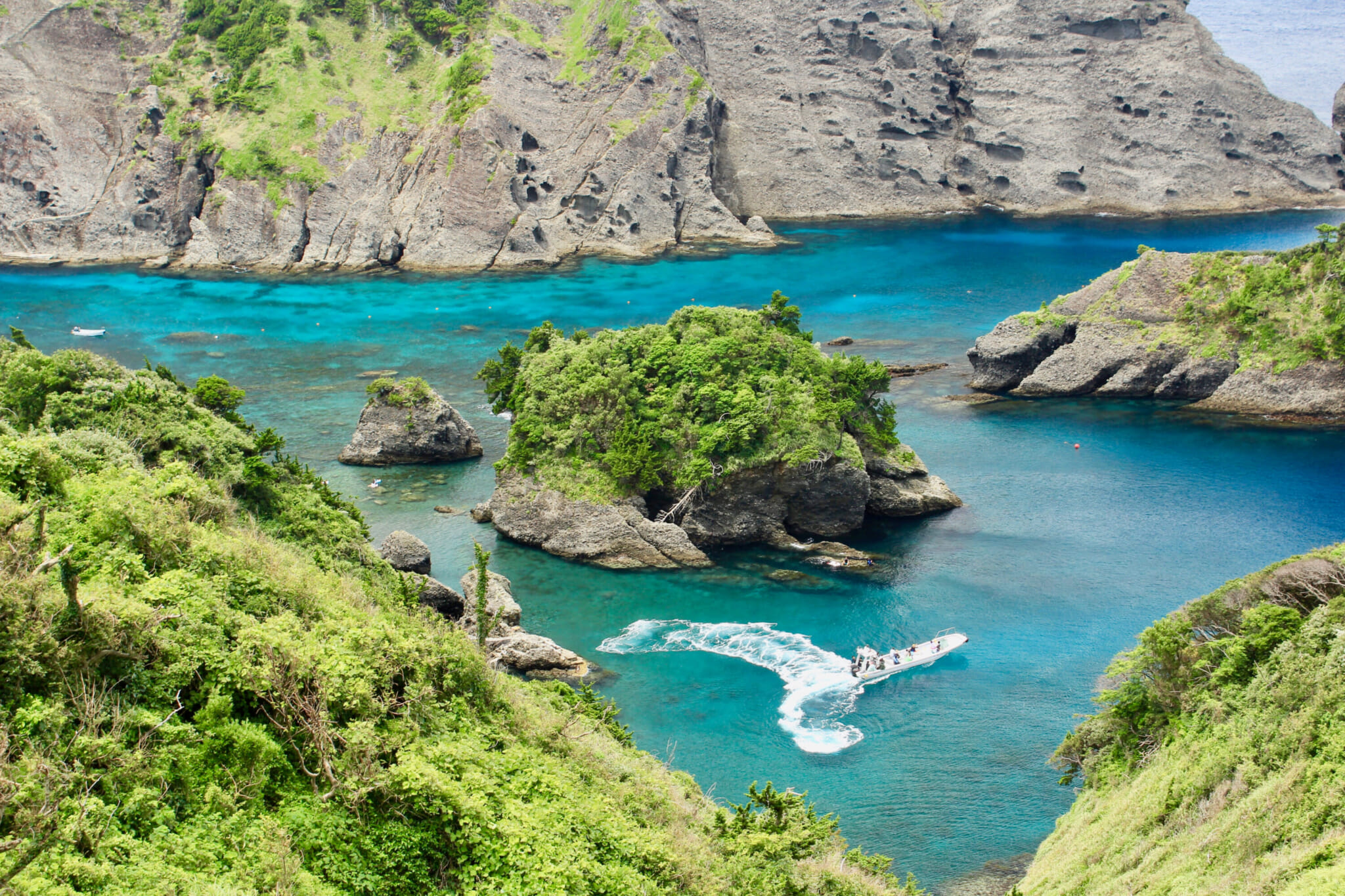
clear waters at Hirizo Beach Minami-Izu.

ヒリゾ浜(静岡県南伊豆町)

おすすめの目的: 本州随一の圧倒的な透明度を誇るシュノーケリング

伊豆半島の最南端にひっそりと隠された「ヒリゾ浜」は、中木港からミニフェリーでわずか5分ほどでしかアクセスできない、秘境感あふれる岩場の険しい入り江です。背後をそびえ立つ断崖絶壁に囲まれ、周囲が国立公園(自然保護区)に指定されているため、商業的な開発の手が一切入っていない手つかずの大自然がそのまま残されています。

温暖な黒潮がダイレクトに流れ込むため、ヒリゾ浜は本州近海でトップクラスの極めて高い水質透明度を誇ります。シュノーケラーにとってはまさに聖地であり、東京からこれほど近い場所とは思えないような、季節来回遊の南国の熱帯魚や鮮やかなサンゴの群生を目の当たりにすることができます。

アクセス:東京駅から特急「踊り子号」で伊豆急下田駅へ(約2時間半)。そこから東海バスに乗り換え「中木」バス停へ(約50分)。中木港から渡船に乗船して約5分(※渡船の運航は例年7月〜9月のみ)。

設備:ヒリゾ浜の現地にはトイレなどの設備は一切ありません。トイレ、シャワー、機材レンタル、食事処などはすべて、船に乗る前の中木港周辺のエリアに集約されています。

料金:浜への立ち入りは無料ですが、アクセスに必要な渡船(往復乗船券)の利用料金として大人2,000円がかかります。中木港の駐車料金は1日あたり1,000円〜2,000円です。
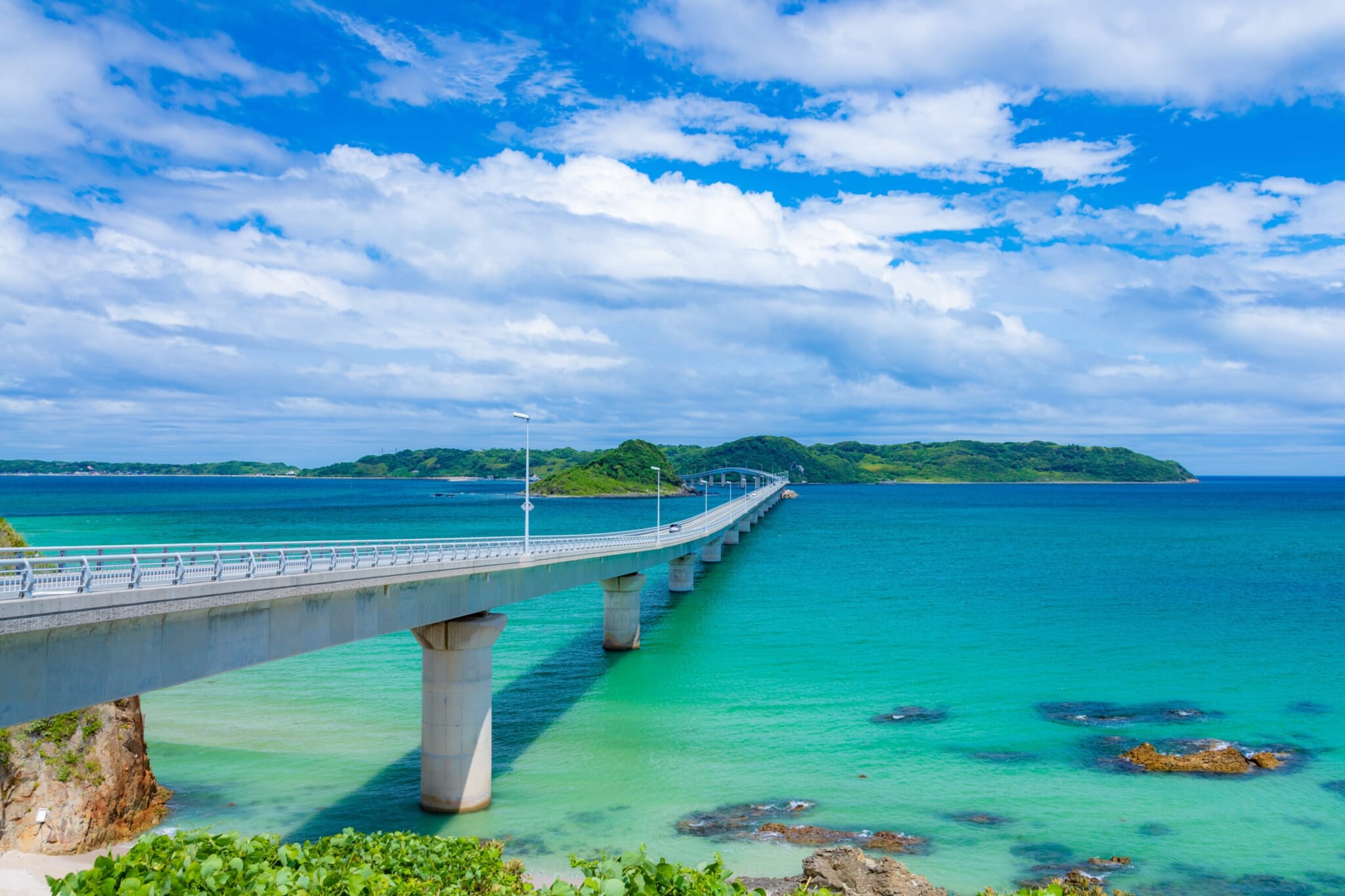
Aerial view of Tsunoshima Bridge crossing emerald sea in Yamaguchi.

角島大浜海水浴場(山口県下関市)

おすすめの目的: 絵画のように美しい橋の絶景&爽快なドライブ旅

本州の西端、中国地方の山口県に位置する角島ビーチは、まるで地中海のリゾートをそのまま日本に持ってきたかのような景観を誇ります。サラサラとした白い砂浜と、太陽の光でキラキラと輝くエメラルドグリーンの海で有名ですが、このビーチの最大のハイライトは、そこへ至るまでの道のりにあります。

島へと渡るために通行する「角島大橋」は、浅く鮮やかな海の上を一本の線のようにまっすぐ滑るように架けられた、全長1,780メートルのアイコニックな構造物です。島に渡った後は、快適な海水浴やキャンプを楽しめるほか、19世紀に建てられた歴史ある総石造りの「角島灯台」を訪れることができます。

アクセス:羽田空港などから山口宇部空港へ(約1時間半)、空港からレンタカーを利用し車で約1時間15分。または、山陽新幹線で新下関駅へ向かい、そこからレンタカーや車でアクセスするルートも便利です。

設備:トイレ、シャワー、隣接するキャンプ場があり、灯台周辺やメインのビーチ拠点付近には飲食店やお食事の選択肢が揃っています。

料金:ビーチの入場は無料、角島大橋の通行料金も無料です。灯台周辺や一部の主要ビーチスポットには、一部有料の駐車場が整備されています(目安として約300円)。
日本のビーチを満喫するための、大切なヒント

本州の多くの地域では、公式の海水浴シーズンである「海開き」は、通常7月中旬から8月下旬にかけてとなります。この期間中はライフセーバーが監視にあたり、食料の販売やギアのレンタルを行う「海の家」がオープンします。しかし、亜熱帯気候の沖縄は大きく異なります。沖縄のビーチシーズンは非常に長く、例年3月〜4月頃から始まり、10月までたっぷりと楽しむことができます。

台風シーズンのスマートな乗り切り方

7月から9月の間にビーチへのご旅行をお考えなら、気象情報や天気予報を細かくチェックしておくことが不可欠です。この夏の最高の海日和は、日本の台風シーズンと完全に重なっています。特に沖縄や南西諸島などのエリアは、これらの熱帯低気圧の進路になりやすく、フライトの欠航やフェリーの運休、命に関わる危険な離岸流を引き起こす原因になります。万が一の悪天候に備え、キャンセルの変更が柔軟な旅行保険への加入を検討し、嵐が通過する間の代替案として、屋内で楽しめる観光スケジュールをあらかじめ用意しておきましょう。

気になるクラゲの対策

本州の海では、お盆を過ぎる8月中旬〜下旬頃になると、刺されると痛いクラゲが急激に増加するため、露出を抑えるラッシュガードをバッグに忍ばせておくのが賢明な選択です。一方、沖縄や南西諸島では、6月から10月にかけて発生する極めて強い毒性を持った「ハブクラゲ」に細心の注意を払う必要があります。与那覇前浜ビーチのような人気の高い主要リゾート地では、遊泳区域内にハブクラゲ侵入防止ネットを設置して安全を確保しています。ネットのない手つかずの野生の海岸や、波照間島のニシ浜のような隠れ家ビーチへ繰り出す際は、細心の注意を払って遊泳し、全身を覆うウェットスーツの着用などを検討してください。

タトゥーに関する知っておくべきマナー

日本の社会的な意識や捉え方は少しずつ変化しているものの、国内の一部の公営ビーチやリゾートホテルが管理する海岸では、現在も周囲への配慮から「過度に露出したタトゥー」のカバーを求めるガイドラインや規則が存在します。これは、多くの人で賑わう本州の人気スポット(下田の白浜など)で特に見られるケースです。現地での不要なトラブルや気まずいシチュエーションを避けるためにも、ファミリー層が多く集まるエリアで泳いだりラウンジで寛いだりする際は、長袖のラッシュガード、スイムレギンス、あるいは防水性のカバーシール・包帯などを用意し、インクの部分をスマートにカバーできるように準備しておきましょう。

地域の豊かな自然・環境へのリスペクト

美しい大自然や地元のコミュニティを訪れる際は、常に敬意と思いやりの心を忘れないようにしましょう。ビーチで出たゴミは必ず各自ですべて自宅やホテルへ持ち帰り、ローカルのルールを遵守してください。一部の海岸では、大音量での音楽の再生や、夜間の花火・パーティーを厳しく禁止している場所もあります。お出かけ前に、目的地の最新のルールやガイドラインをしっかり確認しておくことが、大人のトラベラーとしてのスマートなマナーです。

この記事は、Alina Joan Itoによる英語の原文を翻訳・編集したものです。

best beaches in japan for summer vacation

The 7 Best Beaches in Japan for Your Next Summer Vacation

While Japan is famous for its bustling cities, historic shrines and snow-capped mountains, it also happens to be an island with thousands of miles of stunning coastline. From the sub-tropical, crystal-clear waters of Okinawa to the rugged, dramatic shores of Honshu, Japan’s beaches are world-class.

Whether you want to snorkel with sea turtles, surf epic waves or just lounge on pristine white sand, here is your guide to the 7 best beaches in Japan you need to add to your bucket list.

Japan’s Top Beaches at a Glance

Beach Name Location Best For
Nishihama Beach Okinawa (Hateruma) Untouched tropical paradise
Kabira Bay Okinawa (Ishigaki) Coastal scenery & glass-boat tours
Yonaha Maehama Okinawa (Miyako) Families & classic amenities
Shirahama Beach Shizuoka (Shimoda) Surfing & quick weekend day trips
Hirizo Beach Shizuoka (Minami-Izu) Crystal-clear snorkeling
Jodogahama Beach Iwate Volcanic rock landscapes
Tsunoshima Beach Yamaguchi Scenic coastal road trips

The Best Tropical Escape Beaches (Okinawa)

Nishihama Beach turquoise water Hateruma Island Okinawa.

Nishihama Beach (Hateruma Island, Okinawa)

Best for: Solitude and untouched tropical paradise

If you are looking for the quintessential tropical paradise, Nishihama Beach on Hateruma Island is unbeatable. Located at the southernmost inhabited point of Japan, this beach is famous for its breathtakingly clear turquoise water, locally referred to as “Hateruma Blue,” powder-soft sand and the coral reefs just off the shore teeming with vibrant marine life. Because it’s a bit of a journey to get here (accessible via ferry from Ishigaki), it remains remarkably uncrowded. The beach also doesn’t have any restaurants or shops, so make sure to bring your own food and supplies and carry any trash home with you.

Access: Fly from Tokyo to New Ishigaki Airport (approx. 3.5 hours). From Ishigaki Port, take a high-speed ferry to Hateruma Island (approx. 60–90 minutes). The beach is a 15-minute walk or a quick bicycle ride from Hateruma Port.

Facilities: Basic restrooms and showers are available. No food stalls, shops or rental huts — come fully prepared.

Fees: Free admission; no parking fees.

Panoramic view of Kabira Bay emerald waters in Ishigaki.

Kabira Bay (Ishigaki Island, Okinawa)

Best for: Striking coastal scenery and panoramic photos

Kabira Bay is widely considered one of the most scenic spots in all of Japan, earning a coveted three stars in the Michelin Green Guide. The contrast between the emerald-green water, white sand and lush, forested islets scattered across the bay is mesmerizing.

Due to strong currents and black pearl cultivation, swimming is strictly prohibited here. However, the view from the shore is legendary, and you can take a glass-bottom boat tour to see the thriving coral gardens and giant clams below. The beach is beautiful year-round, though summer brings the brightest colors.

Access: Fly from Tokyo to New Ishigaki Airport (approx. 3.5 hours). From the airport, it is a 30-minute drive or a 45-minute local bus ride directly to Kabira Bay.

Facilities: Restrooms, souvenir shops, local cafes and glass-bottom boat tour operators are available right by the bay.

Fees: Free admission. Parking costs vary, but are around ¥100 per hour.

Yonaha Maehama Beach Miyako Island.

Yonaha Maehama Beach (Miyako Island, Okinawa)

Best for: Families and classic beach amenities

Often ranked as the number one beach in Japan by travel site reviewers, Yonaha Maehama Beach stretches for seven kilometers along the southwest coast of Miyako Island. Its massive size means it rarely feels packed, and the water is shallow and calm, making it incredibly safe for swimming and perfect for families. It also offers plenty of amenities, from jet-ski rentals to beachside showers and cafes. Stick around for sunset — the views next to the Kurima Bridge are spectacular.

Access: Fly directly from Tokyo to Miyako Airport or Shimojishima Airport (approx. 3 hours). The beach is a 15-minute drive or taxi ride from Miyako Airport.

Facilities: Fully equipped with showers, restrooms, changing rooms, lifeguards (during summer), food stalls and water sports rentals.

Fees: Free admission and free public parking.

The Best Beaches Near Tokyo & Honshu

Jodogahama Pure Land Beach volcanic rock formations Iwate.

Jodogahama Beach (Miyako, Iwate Prefecture)

Best for: Unique landscapes and calm, mystical waters

Heading north to Tohoku, Jodogahama (meaning “Pure Land Beach”) looks like a traditional Japanese ink painting come to life. Its name comes from a Buddhist monk who remarked that the sharp, white volcanic rock towers rising from the calm, pebble-strewn bay resembled the Buddhist paradise.

The water at Jodogahama Beach is incredibly calm and transparent, sheltered by the surrounding rock formations. It’s perfect for kayaking and taking a cruise through the nearby “Blue Cave.” July and August are the best months for swimming, though the scenery is breathtaking year-round.

Access: Take the Tohoku Shinkansen (bullet train) from Tokyo to Morioka Station (approx. 2.5 hours), then take a direct bus to Miyako Station (approx. 2 hours). From Miyako Station, a local bus drops you right at the Jodogahama Visitor Center.

Facilities: Restrooms, showers, a visitor center, a restaurant/rest house, boat tour rentals and lifeguards during the summer umi biraki season.

Fees: Free admission. Free parking is available at designated lots near the visitor center.

Red Shinto torii gate at Shirahama Beach Shimoda.

Shirahama Beach (Shimoda, Shizuoka Prefecture)

Best for: Tokyo day trips, surfing and energetic crowds

You don’t have to fly to Okinawa to experience a beautiful white-sand beach. Located on the Izu Peninsula, Shirahama (which literally translates to “White Beach”) is one of Tokyo’s favorite summer escapes. This 800-meter-long beach is a hotspot for surfers, sunbathers and beach volleyball players. A historic red Shinto torii gate sits on a rocky outcrop overlooking the ocean at the northern end, offering a beautifully unique photo opportunity. Shirahama Beach is most fun to visit from July to September, but note that it gets very busy during the summer holidays.

Access: Take the JR Odoriko limited express train directly from Tokyo Station to Izukyu-Shimoda Station (approx. 2.5 hours). From there, it’s a 10-minute bus ride to the beach.

Facilities: Showers, restrooms, surfboard/parasol rentals, convenience stores right across the street and multiple food stalls and lifeguards during peak summer.

Fees: Free admission. Parking lots are open year-round but charge ¥1000 to ¥2000 per day during the summer season.

clear waters at Hirizo Beach Minami-Izu.

Hirizo Beach (Minami-Izu, Shizuoka Prefecture)

Best for: Unrivaled snorkeling and pristine marine life

Tucked away at the southernmost tip of the Izu Peninsula, Hirizo Beach is a secluded rocky cove accessible by a short ferry ride from Nakagi harbor. Because it is surrounded by a steep cliff face and a nature reserve, it remains entirely untouched by commercial development.

Thanks to the warm Kuroshio Current, Hirizo boasts some of the highest water clarity near mainland Japan. It’s a haven for snorkelers, who flock here to see seasonal tropical fish and vibrant coral formations that you normally wouldn’t expect to see so close to Tokyo.

Access: Take the Odoriko limited express train from Tokyo to Izukyu-Shimoda Station (approx. 2.5 hours). Take a local bus to the Nakagi bus stop (approx. 50 minutes), then board the 5-minute ferry to the beach (ferry operates only from July to September).

Facilities: The beach itself has zero facilities. Restrooms, showers, equipment rentals and food stalls are all located across the water at Nakagi Harbor before you board the ferry.

Fees: Free beach admission, but the required round-trip ferry costs ¥2000 for adults. Parking at Nakagi Port costs ¥1000 to ¥2000 per day.

Aerial view of Tsunoshima Bridge crossing emerald sea in Yamaguchi.

Tsunoshima Beach (Shimonoseki, Yamaguchi Prefecture)

Best for: Picture-perfect bridge views and scenic road trips

Located in the Chugoku region of western Honshu, Tsunoshima Beach looks like a slice of the Mediterranean dropped into Japan. The beach is famous for its powdery white sand and shimmering emerald waters, but the real showstopper is the journey to get there.

To reach the beach, you drive across the iconic Tsunoshima Bridge, a sleek 1,780-meter structure that glides right over the shallow, brightly colored sea. Once on the island, you can enjoy swimming, camping and visiting the historic 19th-century Tsunoshima Lighthouse.

Access: Fly from Tokyo to Yamaguchi Ube Airport (approx. 1.5 hours), rent a car, and drive to the island (approx. 1 hour 15 minutes). Alternatively, take the Shinkansen to Shin-Shimonoseki Station and drive from there.

Facilities: Restrooms, showers, a nearby campsite and food options close to the lighthouse and main beach hubs.

Fees: Free beach admission and free bridge crossing. Limited paid parking is enforced around the lighthouse and select peak beach spots (approx. ¥300).

Travel Tips for Visiting Japan’s Beaches

In mainland Japan, the official swimming season (umi biraki or “sea opening”) usually runs from mid-July to late August. During this time, lifeguards are on duty and beach huts (umi no ie) open up to sell food and rent gear. However, Okinawa is different: Because of its subtropical climate, Okinawa’s beach season is much longer, typically lasting from March/April through October.

Navigating Typhoon Season

If you are planning a beach getaway between July and September, you need to keep a close eye on the weather forecast. This peak beach window directly overlaps with Japan’s typhoon season. Okinawa and the southern islands bear the brunt of these tropical storms, which can easily cause flight cancellations, halt ferry services and trigger dangerous rip currents. Always purchase flexible travel insurance and have a backup indoor itinerary ready if a storm rolls through.

Beware of Jellyfish

Mid-to-late August on mainland Japan often brings an influx of stinging jellyfish, making rash guards a smart packing choice. In Okinawa and the southwest islands, you need to watch out for the highly venomous Habu jellyfish, which appear from June to October. Popular resort destinations (like Yonaha Maehama) install safety nets in the water to keep swimmers safe. If you venture out to wild, un-netted areas or secluded beaches like Nishihama, swim with extra caution and consider wearing a full-body wet suit.

A Note on Tattoos

While attitudes are slowly changing, some public and resort beaches in Japan still ask visitors to cover up highly visible tattoos. This is especially true at crowded mainland hotspots like Shirahama. To avoid any awkward encounters, bring a rash guard, swim leggings or waterproof bandages to cover your ink while swimming or lounging near families.

Respect the Local Environment

As always, be respectful and mindful when visiting nature or local spots. Bring home any trash and follow local guidelines; some beaches don’t allow loud music or nighttime parties, so make sure to check your destination’s rules before heading out.

Related Posts