Released in 1953 and directed by Yasujiro Ozu, Tokyo Story is a film about everything, if you subscribe to the thousands of different reviews of what has been called the best Japanese movie ever made. Perhaps the best movie ever, period.
So, do not take this article as a definite summary of Ozu’s magnum opus but rather one person’s view, which is that Tokyo Story is a film about disappointments. They are small, quietly heartbreaking and unavoidable, but ultimately mendable by simply being there for others. And that’s why the movie never disappoints, no matter how many times you rewatch it.
What makes Tokyo Story so devastating is that it refuses to give us villains. Shukichi and Tomi Hirayama are an elderly couple visiting their adult children in Tokyo, who are anything but cruel or abusive. However, they’re busy, tired, stressed and often preoccupied.
As a result, while they are polite on the surface, they’re emotionally absent because Ozu shows us that unkindness doesn’t require malice. And therein lies the movie’s minimalist gut punch to the soul.
The plot’s quiet melancholy springs from the human condition. In real life, love doesn’t collapse in a cinematic explosion. It thins out quietly over time and distance. The parents understand this reality and don’t protest.
They know that the world is leaving them behind, and the young, to whom the world belongs, cannot stop and wait for them. The wisdom and acceptance that they use to soften this emotional blow only deepens the audience’s sadness.
At times, you may find yourself wishing that Shukichi and Tomi were shouted at or something because it would at least imply some emotional engagement from their children. Instead, the couple is merely treated like a temporal inconvenience.
They’re shuffled between children like objects to be accommodated, rather than people who are wanted, but never outright neglected or abused. No one intends harm. But almost no one acts with care… with some exceptions.
Presence as an Act of Love
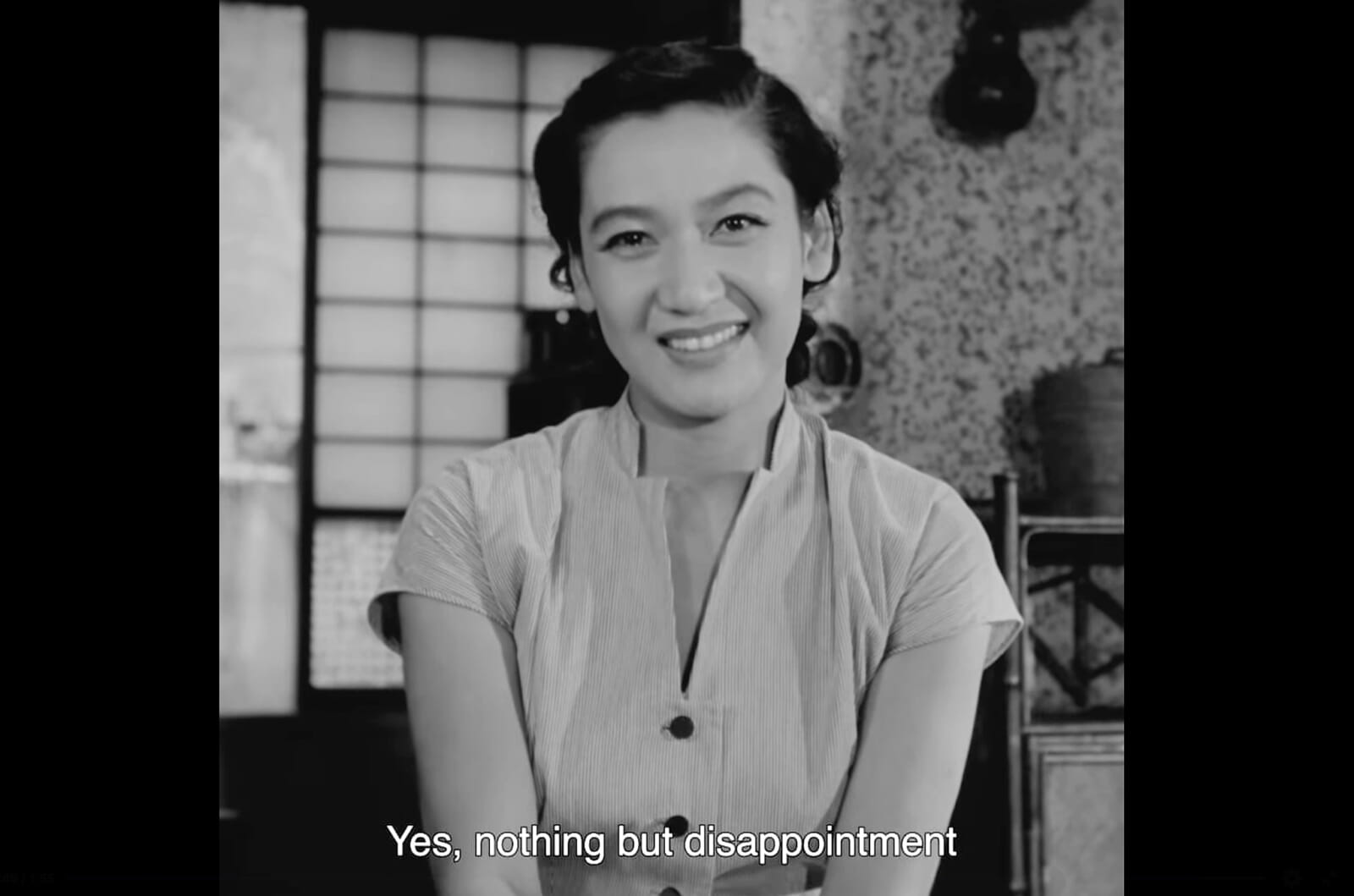
In one scene, Noriko, the Hirayamas’ widowed daughter-in-law, looks into the camera and smiles as she says that life is full of disappointments. It’s one of the most powerful moments in Tokyo Story because it’s not delivered with irony or bitterness but with both acceptance and a desire to do good in spite of the world.
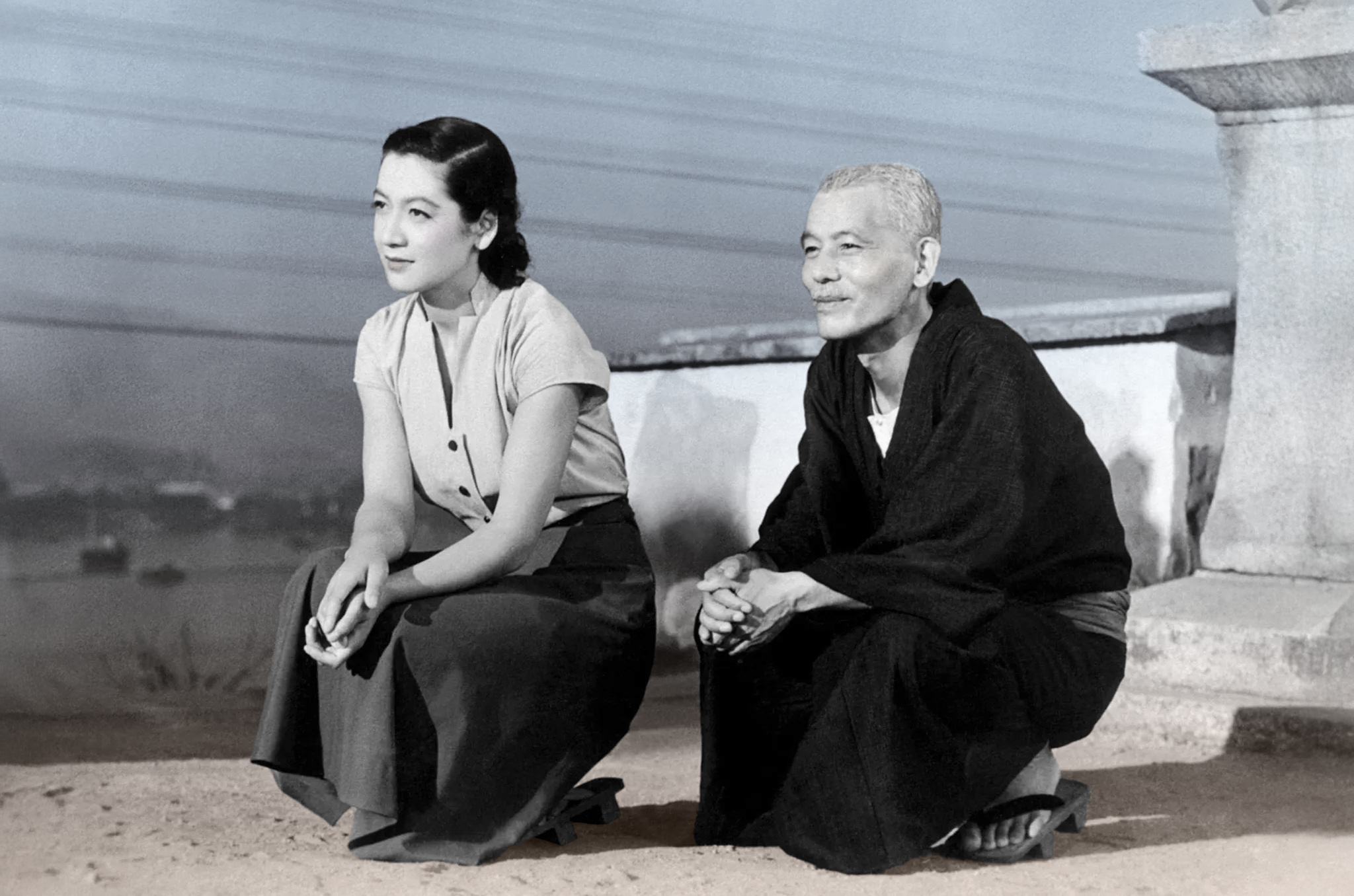
That’s why Noriko, played by Setsuko Hara, is the only Tokyoite in the family who is fully present. She takes time, listens and sits with Shukichi and Tomi, enjoying their company without checking the clock, despite not being a blood relative.
In Tokyo Story, everyone loves their parents in theory. Noriko loves them in practice, although she acknowledges that one day she may become less kind, less open and more selfish. Time and what she’s seen from the people around her guarantee it.
This is one of the many ways in which Tokyo Story remains refreshingly unsentimental. Shukichi and Tomi openly admit they prefer their adult children over their bratty grandkids, defying the typical romanticization of grandparental relationships. Even then, Shukichi harbors some disappointment in what his children have achieved, though he would never throw it in their faces.
Resentment feels pointless and expectations feel like setting yourself up for more disappointment. And there is more than enough of that from the world turning and you not being able to keep up.
So, instead, Shukichi and Tomi retreat to their hometown, but only after receiving Noriko’s grace and presence. Her small acts of kindness break through the shell that they’ve created to protect themselves from a world where they increasingly feel unwelcome.
In the End, Kindness Endures
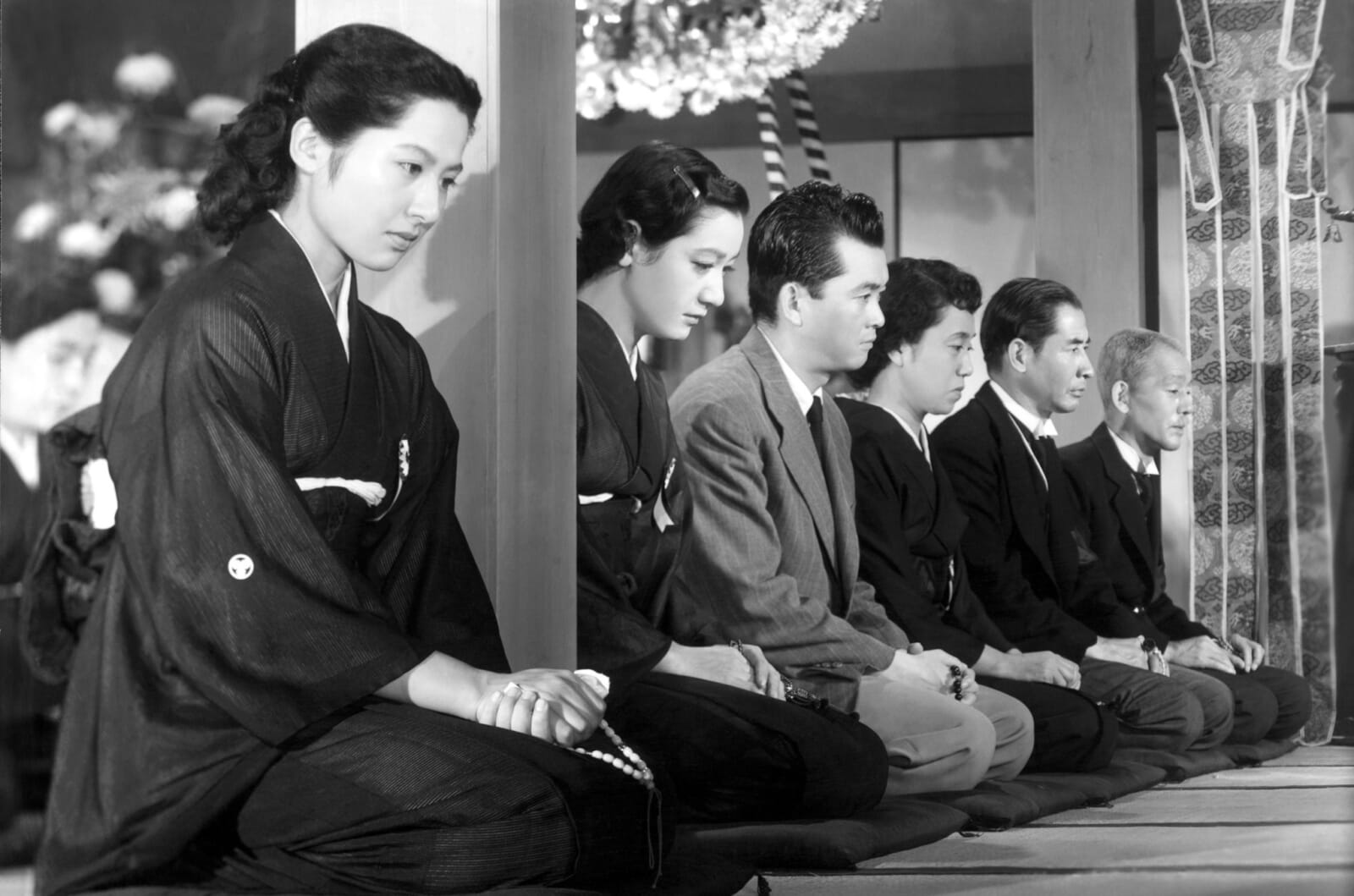
Near the end of the movie, Tomi becomes critically ill. To her children, it initially presents logistical problems: what train to take to see her, and whether they should bring mourning clothes just in case. When she dies, the world doesn’t stop. The family doesn’t shatter.
Shukichi doesn’t cry, not because he doesn’t care, but because death is the natural culmination of life’s quiet erosion that he and Tomi have accepted a long time ago. Like the boat drifting past in the final scene, time moves on, without ceremony or mercy.
Yet, this isn’t a celebration of nihilism because even the quiet death of Tomi features deeply human moments, such as her daughter Shige — previously one of the film’s most selfish characters — crying hardest after her mother’s passing. Later, she asks for her best sash and kimono. People are complicated. Life is straightforward: you live and then you die. The two rarely align.
In the end, kindness matters. Presence counts. The only Hirayama family members who don’t come off as unlikeable are the ones who decide to stay: Shukichi’s youngest daughter, Kyoko, who’s been living with her parents in Onomichi, Hiroshima Prefecture, and will continue looking after her father, and Noriko, the last to return to Tokyo.
It’s as far from an explosive finale as you can get, almost feeling like an anti-drama. Yet, it’s also real, human and crosses cultural barriers, breaking your heart but also offering hints on how to heal it. Check it out. Unlike life, you won’t be disappointed.