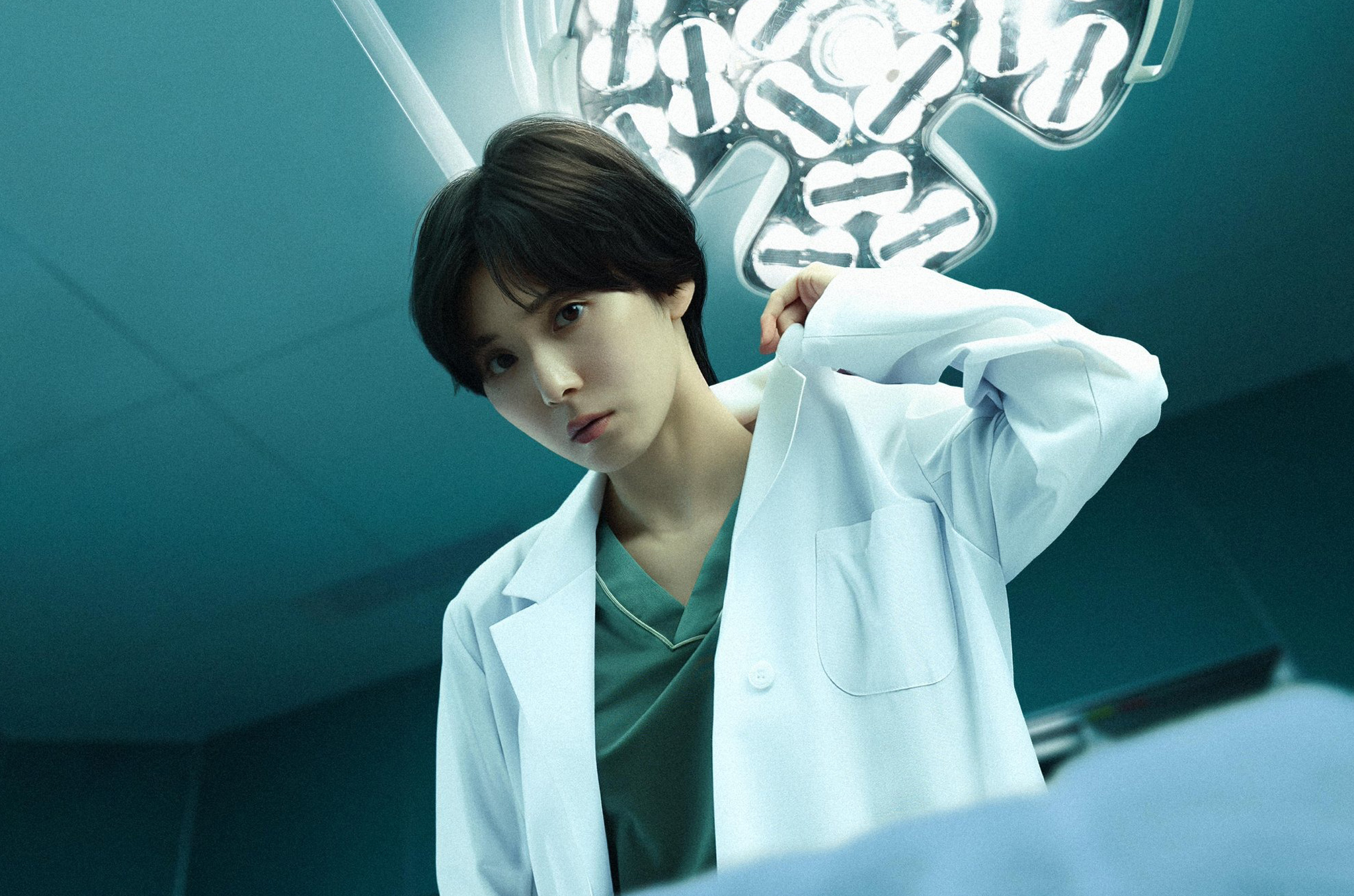
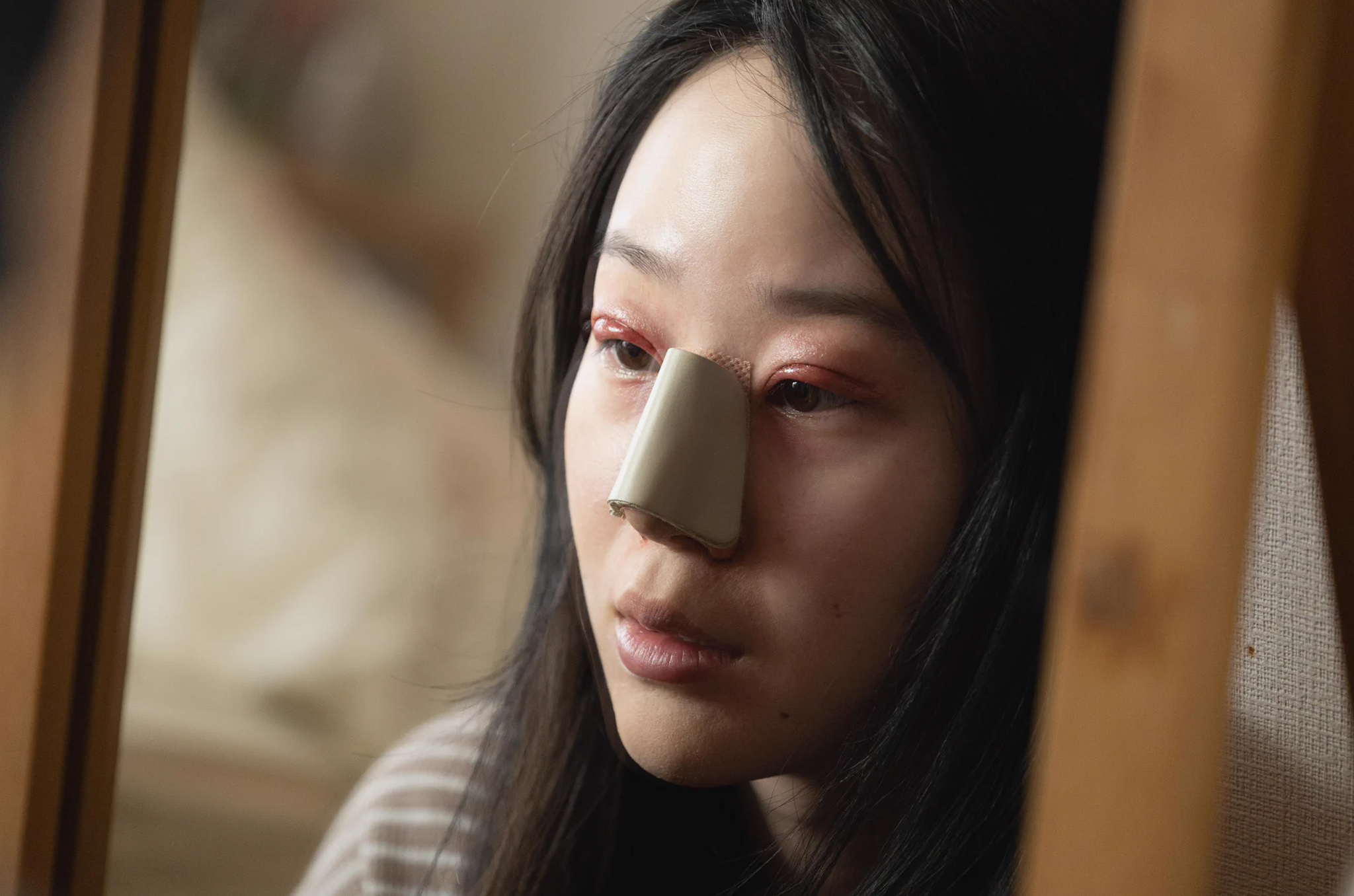
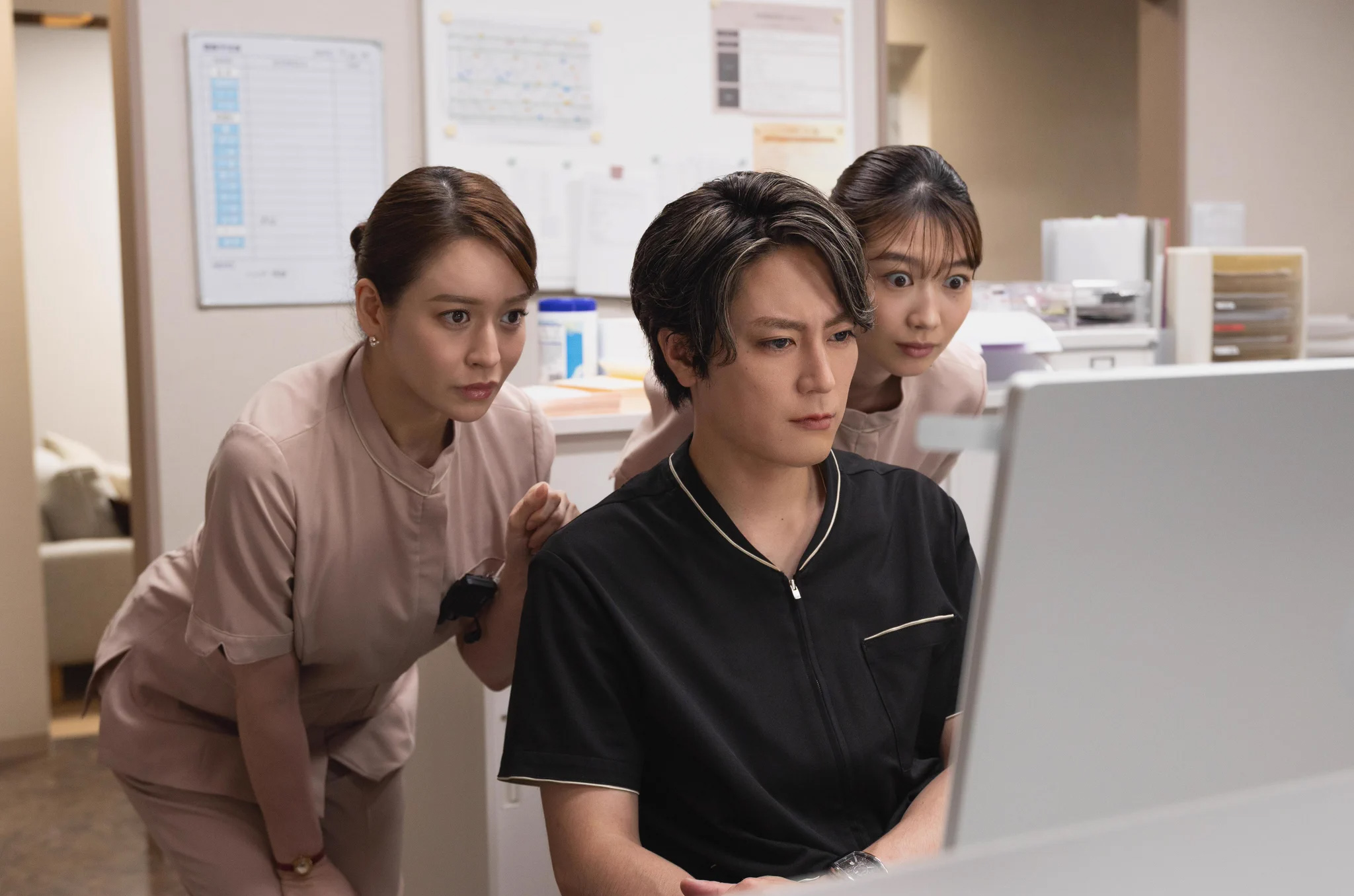
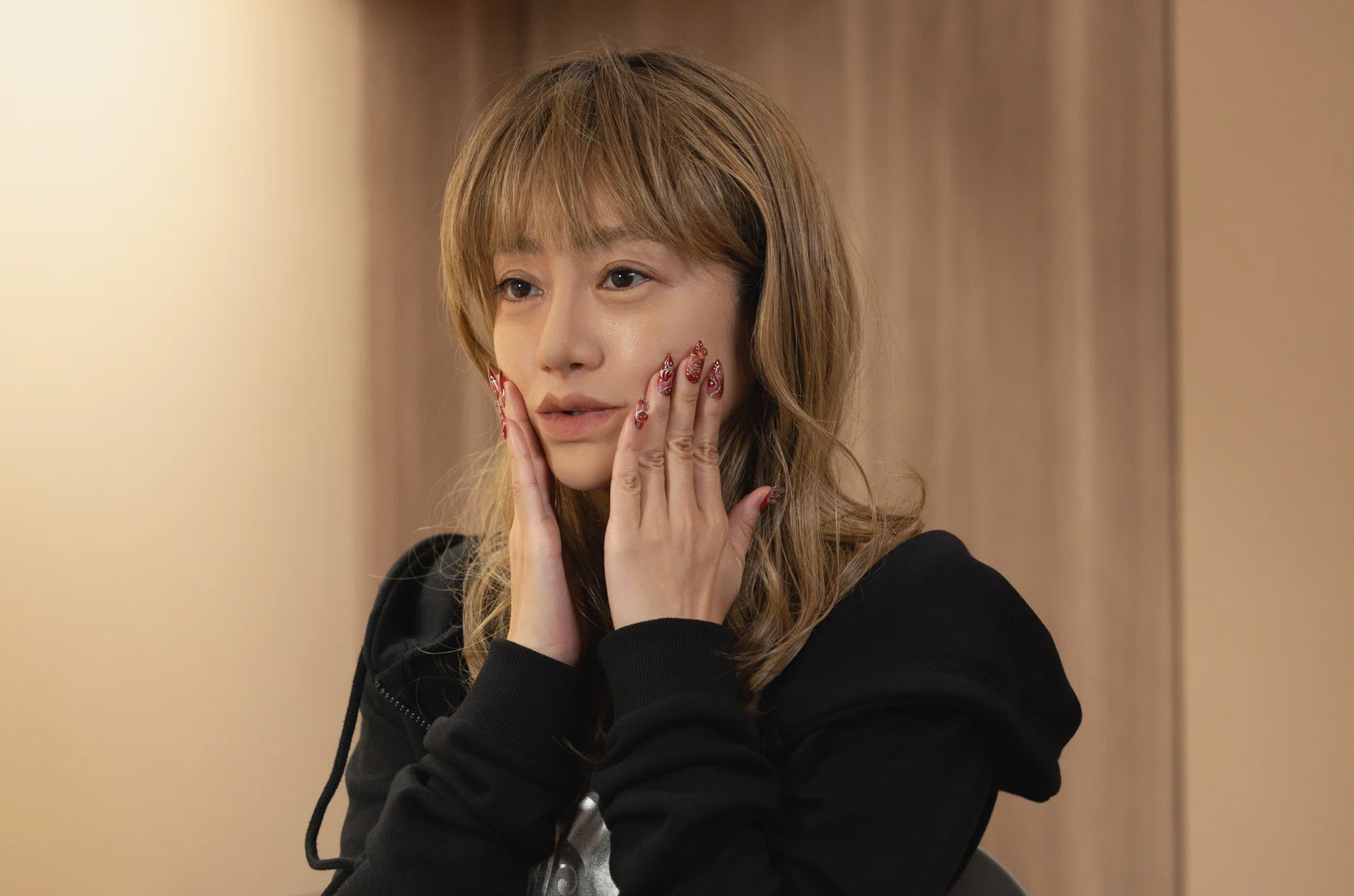
Netflix dropped its new, sensational Japanese original series Plastic Beauty (titled Downtime in Japan) earlier this month. The eight-episode show immediately shot to the top of Netflix Japan’s Top 10 rankings, and it’s not hard to see why. The program takes advantage of the gore and glamor of the ever-fascinating world of cosmetic surgery, hooking viewers within minutes. The early episodes deliver addicting, raw shock factor — with surgical gore, shady celebrities, explicit recovery scenes and shocking stories, including an elderly woman with cancer undergoing full-body cosmetic surgery.
Yet, as the binge-watch progresses, the show seems to undergo an identity crisis. By episode five, its sharp-edged critique of lookism and invasive procedures morphs into a melodramatic family politics saga. By the finale, the thesis feels muddled, even landing on a vindication of cosmetic surgery as a form of self-healing. And though the drama struggles to find its narrative core (at least by the end of the first season), its real strength lies in its unflinching mirror held up to contemporary Japanese society. Beneath the sensationalized script lies a pretty realistic depiction of Japan’s rapidly evolving cosmetic surgery boom.
Not long ago, cosmetic enhancements in Japan were performed in the shadows; those who got surgical procedures were unlikely to admit to it. Today, cosmetic procedures are incredibly visible throughout Japanese media and urban spaces. Walk through major hubs in Tokyo, and you’re greeted by massive billboard advertisements for aesthetic clinics offering everything from hyaluronic acid injections to full-body liposuction. On popular reality shows like Badly in Love and Last Call, cast members discuss their procedures as casually as a haircut.
Plastic Beauty mirrors this cultural shift in its first episode, with a montage of social media content, ads and people of all ages gushing about how they desperately want to receive a procedure. We also see the normalization of cosmetic surgery through the character of Takeru, the middle-school-aged younger brother of the protagonist, Fumi Numata. Takeru’s desperate desire to get double-eyelid surgery reflects a genuine trend in Japan, where cosmetic surgery is no longer viewed as a late-in-life response to aging, but as a valid treatment for teenagers.
Prevalence Among Celebrities, Influencers and Host Culture
The series pulls back the curtain on how specific professional environments mandate physical perfection. In the show’s universe, surgery is deeply intertwined with fame, entertainment and Japan’s night-life economy. In many cases, it’s framed as a business decision rather than something done from pure vanity — a damning indication of the pressures many people feel to conform to Japan’s rigid beauty standards.
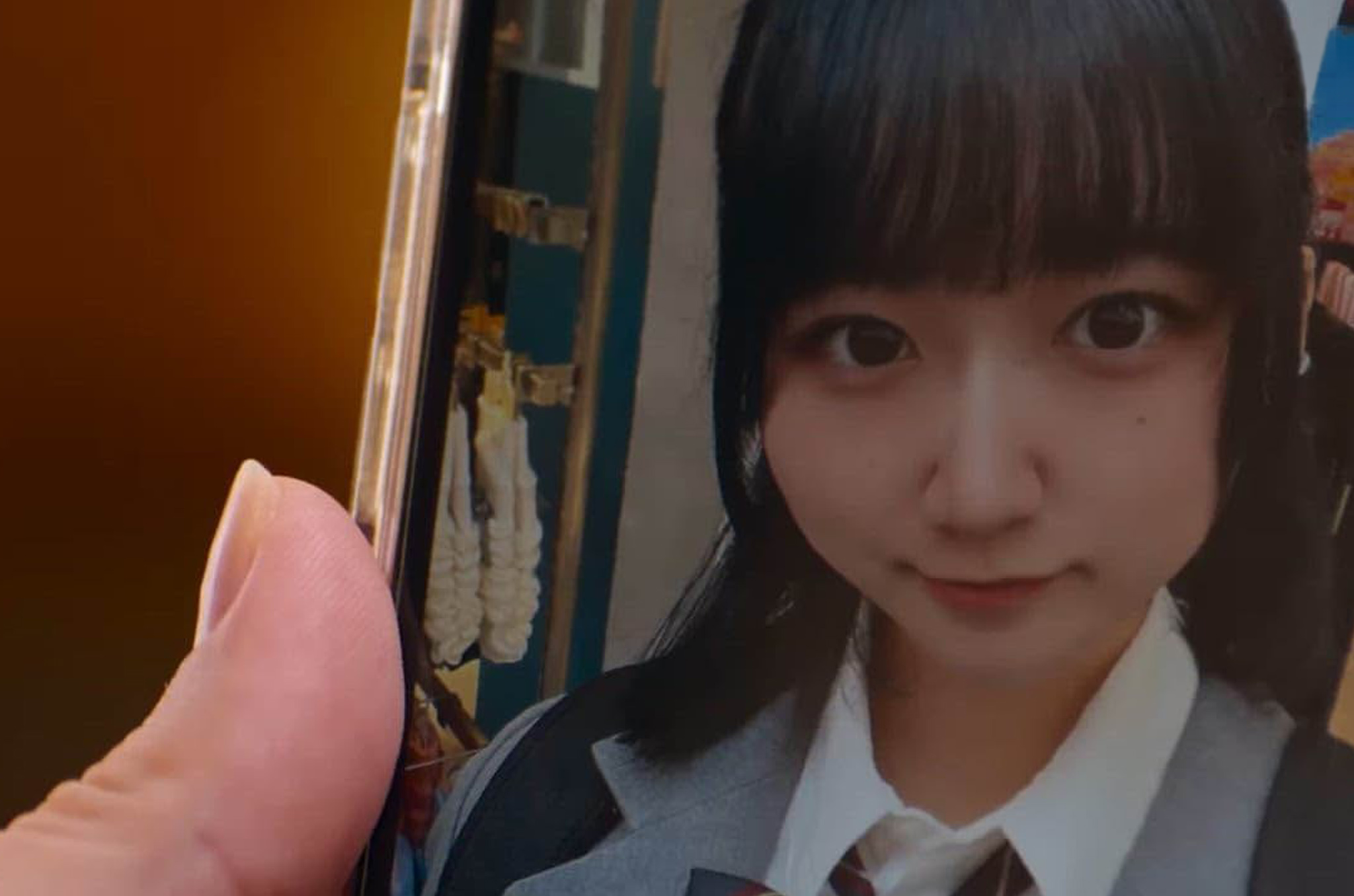
The first episode, for instance, follows an aspiring voice actress and idol who sees surgery as a career investment after she’s told that an audition will be decided based on looks. And much of the show’s drama hinges on the death of Kanabun, a model who bases her entire public identity on being 100% natural, only to die early in the show after undergoing a secret breast implant procedure. (She doesn’t actually die from surgical complications; after emergency room doctors remove one of her implants because they find a tumor, she dies by suicide.) Perhaps most disturbing is the story of Moeno, an elementary school influencer who agrees to livestream a series of invasive cosmetic procedures to boost her follower engagement and viewership.
The show also tackles the intertwined relationship between plastic surgery and Japan’s nightlife scene, with a plastic surgery-addicted character, Saori, who finances her continuous operations by working in hostess clubs. In contemporary Japan, hostess culture and plastic surgery go hand-in-hand, with top-earning hostesses often doubling as beauty influencers.
Millions of young followers consume their content, which tends to normalize and even romanticize dramatic physical transformations as part of a career in nightlife.
The show excels in illustrating the hyper-commercialized mechanics of high-end aesthetic medicine. In the series, clinics prey on vulnerable, insecure clients to inflate their bills. Characters are nudged during their counseling sessions into electing to get supplementary procedures, significantly driving up the total cost of their treatments.
A central narrative thread in the show involves the “God’s Hand” marketing pitch of Tohyama Clinic, where the head doctor, Rin Tohyama, claims to have inherited her incredible surgical skills directly from her father, the ex-head of the clinic, and often appears on TV programs as a sort of micro-celebrity. This reflects real-world commercial practices in Japanese aesthetic medicine, where “celebrity doctor” surcharges and high-pressure consultation tactics turn vulnerable patients into high-margin revenue streams.
Historically, Japanese cultural norms of humility and privacy have made aesthetic surgery a quiet, hidden taboo. Today, for better or for worse, that stigma is rapidly evaporating.
As hostesses, influencers and mainstream celebrities casually stream their post-op swelling and bruising on social media, plastic surgery is rapidly becoming another step in a modern beauty regimen. To its credit, Plastic Beauty does a relatively nuanced job of balancing the harsh realities of Japanese beauty standards with the sense of genuine joy, relief and even empowerment that a procedure can bring to someone’s life; for many, the show makes clear, it’s about far more than vanity.
Yet, there is something deeply unsettling about how frictionless this transformation has become. In a society like Japan, where social conformity is a large cultural factor, normalizing cosmetic surgery carries a distinct danger. When physical alterations transition from a personal choice to a mainstream standard, more and more people will feel pressured to get work done, just to feel “normal.”
The real terror isn’t just that plastic surgery is becoming normalized. It’s that, in a country that already values fitting in, altering your face to meet a singular, homogenized standard might soon become expected. Plastic Beauty may not have made a clear stance by the end of its eight episodes, but its explosive popularity proves one thing: In modern Japan, the race toward physical perfection is no longer hidden behind closed doors — it is live-streamed, advertised and here to stay.