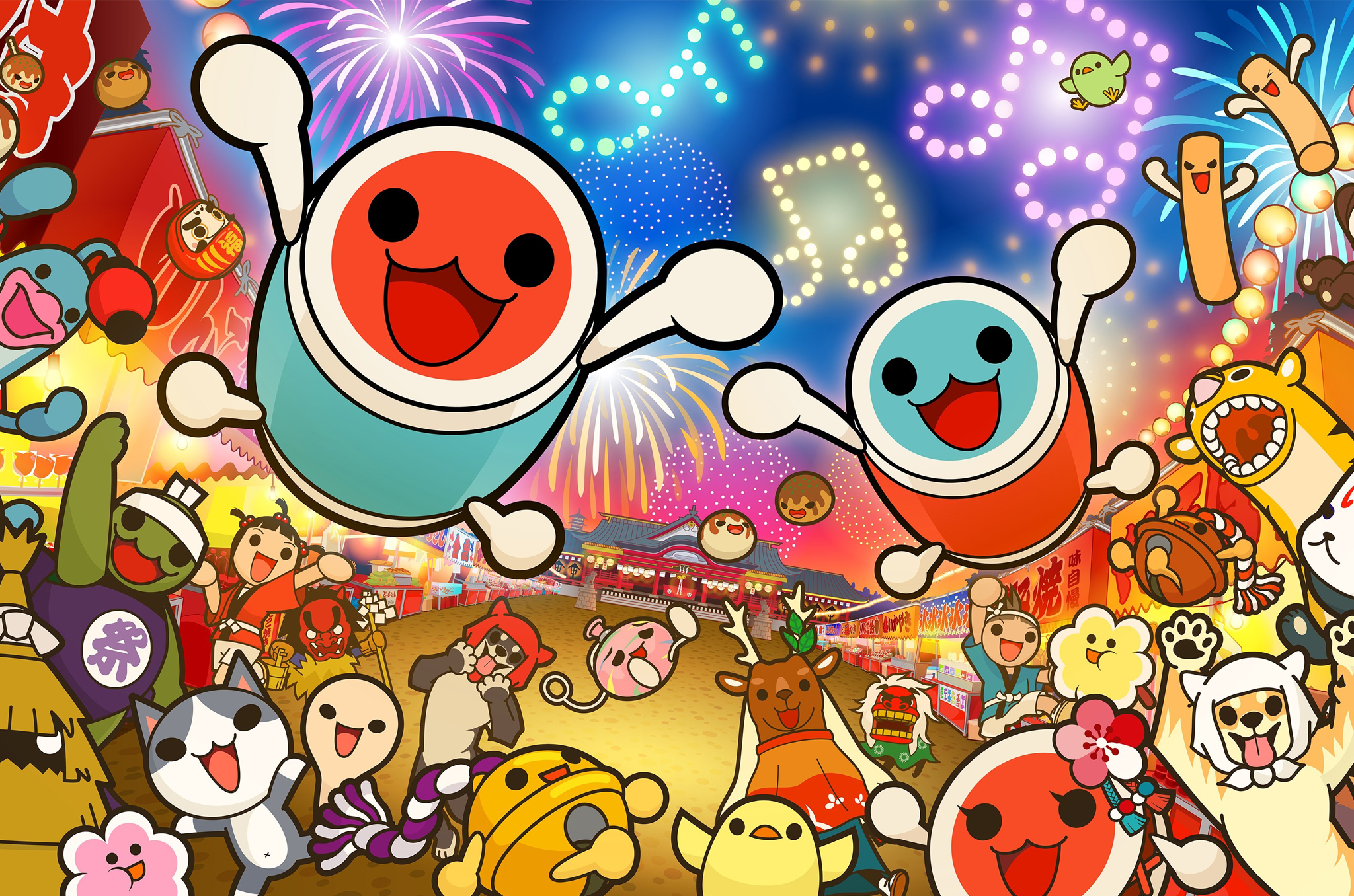
《太鼓之達人》也在 2002 年首度登上家用主機平台,透過隨附的專用塑膠鼓控制器,將街機體驗完美延伸至家庭客廳與行動市場。自該里程碑以來,家用主機版本全球累計銷量已突破 1,300 萬套,其中 Nintendo Switch 系列作品大幅推動了該 IP 在歐美市場的擴張,而智慧型手機版本同樣表現亮眼。
對於想在家中延續派對氛圍的玩家,官方於全平台針對《太鼓之達人 咚咚雷音祭》(登陸 Nintendo Switch、PS5、Xbox Series X|S 與 Steam)推出了週年紀念折扣優惠。各大家庭娛樂中心(電子遊樂場)也陸續上架了獨家夾娃娃機獎品,包含官方雙層便當盒與品牌聯名耳機。資深玩家甚至可以選購官方推出、被粉絲稱為「My 鼓棒(My Bachi)」的個人專用鼓棒,享受更道地專業的敲擊體驗
If you’ve ever stepped inside a Japanese arcade, you’ve likely heard the thunderous boom of drumsticks striking a giant drum, accompanied by an incredibly cheerful, high-pitched voice shouting, “Don-Don Don-Katsu!” That iconic sound belongs to Taiko no Tatsujin (meaning “Taiko Drum Master”), Bandai Namco’s legendary arcade rhythm game.
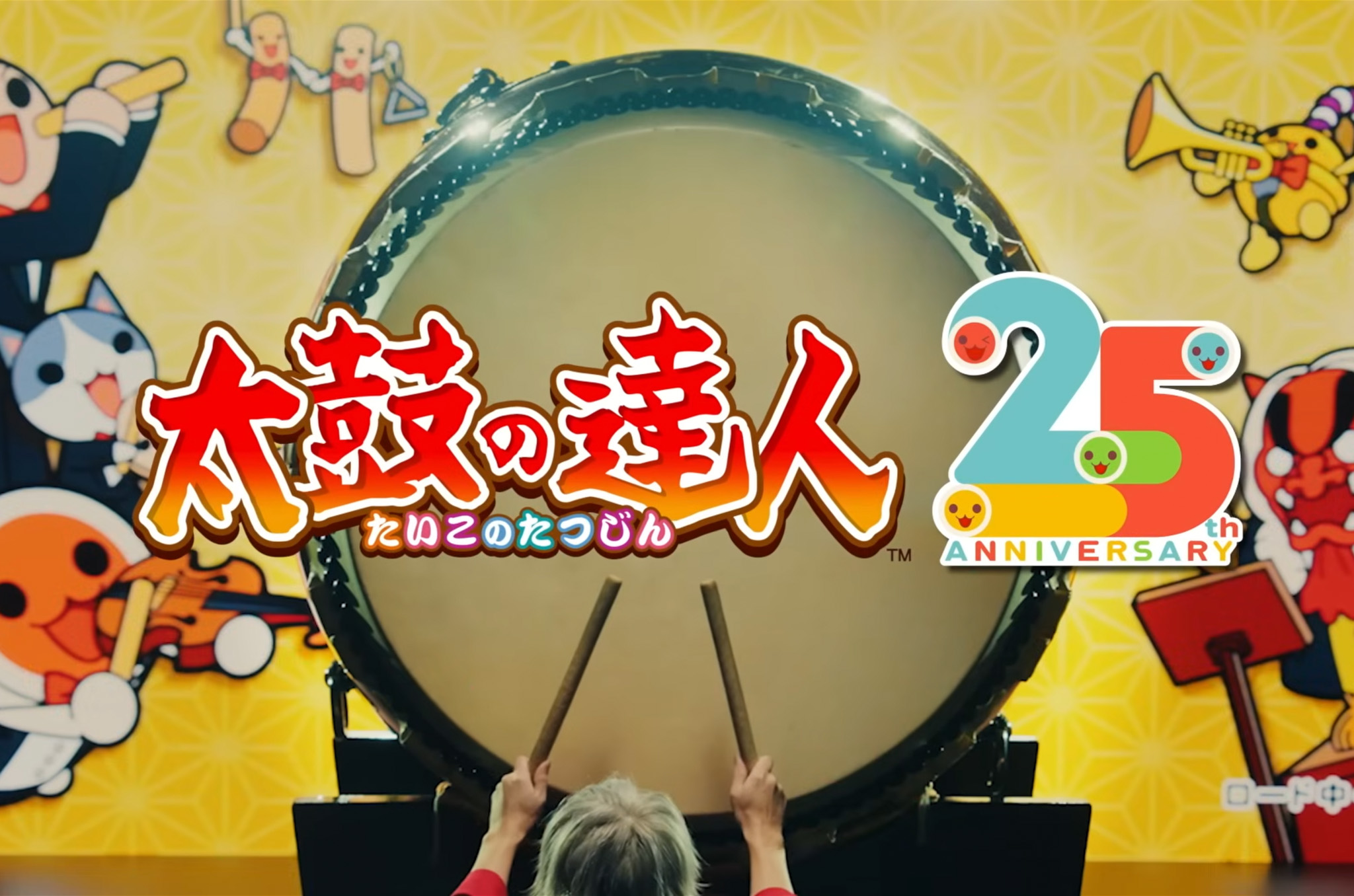
First hitting arcades on February 21, 2001, the beloved franchise recently celebrated its 25th anniversary. To mark a quarter-century of taiko drumming entertainment, Bandai Namco has rolled out a massive, year-long celebration full of high-profile crossovers, new music releases and exclusive merchandise.
Taiko no Tatsujin’s magic lies in its brilliant simplicity. Unlike the complex, DJ-focused music simulators that dominated the early 2000s, it was made for everyone. The gameplay rules are straightforward: hit the drum face for red notes (Don) and strike the rim for blue notes (Ka).
This accessibility has fueled a massive global success story over the last quarter-century. The franchise boasts an astonishing music library featuring a catalog of around 3,000 songs, ranging from mainstream J-Pop and anime hits to classical remixes. This musical variety has cemented the game’s arcade presence, with more than 5,000 arcade cabinets currently operating across Japan alongside a growing international arcade footprint of over 1,900 units.
Taiko no Tatsujin also successfully crossed over into home consoles and mobile markets following its 2002 console debut, which introduced players to the experience through dedicated plastic drum controllers. Since that milestone, home versions have sold over 13 million copies worldwide, with Nintendo Switch entries helping the franchise find success in Western markets, while versions on smartphones continue to perform exceptionally well.
25th Anniversary Events, Music & Merchandise
To celebrate 25 years of Taiko no Tatsujin, Bandai Namco is putting the franchise’s beloved mascot, Don-chan, in the spotlight. The company has launched “Don-chan’s Super Wagamama Project,” a year-long campaign where project coordinators humorously fulfill the drum mascot’s wildest whims.
Don-chan the Music Producer and The ‘Makeover’ Project
Don-chan has officially taken on the mantle of “Don-chan P” (Producer) for a four-part song campaign. The first track, “Re:Play!!,” featuring the bright vocals of Nanahira and Yoko Takamitsu, blends modern beats with nostalgic nods to classic Taiko no Tatsujin tracks. It’s currently playable in arcades and on console versions such as Taiko no Tatsujin: Rhythm Festival.
Additionally, Don-chan is undergoing an eight-part Makeover Project, collaborating with various creators to explore brand-new designs. The first theme is “Kawaii.” Don-chan has even temporarily hijacked the official global Taiko no Tatsujin X account to communicate directly with fans.
High-Profile Game Collaborations and U-25 Song Search
The anniversary events extend across the wider gaming ecosystem:
Project Sekai Cross-Over: A massive collaboration campaign with Project Sekai Colorful Stage! featuring Hatsune Miku introduces five popular songs (such as “Bug” and “Tondemo Wonders”) to Taiko arcades, complete with special limited-edition Bandai Namco Passport arcade cards.
U-25 Annual Song Contest: The game’s annual open music submission contest has introduced a special “Under 25” bracket to help young, budding musicians gain recognition in the rhythm game scene. The tracks will be judged by game music composers Tatsh, t+pazolite and LindaAI-CUE.
Family Restaurant Collaboration: A limited partnership with the Japanese casual dining chain Gusto lets patrons play original mini-games and win exclusive capsule toy stamps.
Anniversary Sales and Limited-Edition Merchandise
For players looking to bring the party home, anniversary discounts are being offered across all platforms for Taiko no Tatsujin: Rhythm Festival (on Nintendo Switch, PS5, Xbox Series X|S and Steam). Amusement centers are also stocking exclusive crane game prizes, including official layered lunch boxes and branded headphones. Dedicated players can even pick up official personal drumsticks, known among fans as “My Bachi,” for a more authentic taiko drumming experience.
The Fascinating History and Lore Behind Taiko no Tatsujin
Taiko no Tatsujin was born from a simple creative spark. Back in 2000, rhythm games were declining in popularity. Namco’s sales teams were skeptical about greenlighting another music game.
Enter Takehito Sasaoka (now at Bandai Namco Amusement Lab Inc.). He wondered if the simple act of drumming along to popular music could capture the pure fun of a traditional Japanese matsuri (summer festival).
To prove his concept without any initial budget, Sasaoka taped the bottom of a large plastic bucket and struck it with two random wooden sticks he found floating around the office. The primitive setup was so instantly addictive that the team knew they had a winner.
Designing the final arcade cabinet was a process of intense trial and error. To mimic the resonance of a real instrument, they based the cabinet’s physical dimensions on a traditional wadaiko measuring 1 shaku 6 sun (about 48 centimeters) in diameter. The designers carefully balanced the weight of the bachi so that children could swing them easily, yet they still retained enough mass to register satisfying rebounds.
Interestingly, taking the game global exposed a cultural gap. While the fundamentals of a taiko drum are widely understood in Japan, players overseas had rarely encountered the concept of hitting the rim of a drum to produce a different sound. Early international teams had to spend extra time creating visual tutorials explaining how to hit the blue notes. Twenty-five years later, that little cultural nuance has become a familiar part of the experience for rhythm gamers all over the world.